Art Madrid'26 – JULIÁN MANZELLI (CHU): LABORATORY OF FORMS


ART MADRID’26 INTERVIEW PROGRAM. CONVERSATIONS WITH ADONAY BERMÚDEZ


The work of Julian Manzelli (Chu) (Buenos Aires, Argentina, 1974) is situated within a field of research in which art adopts methodologies close to scientific thinking without renouncing its poetic and speculative dimension. His practice is structured as an open process of experimentation, in which the studio functions as a laboratory: a space for trial, error, and verification, oriented less toward the attainment of certainties than toward the production of new forms of perception. In this sense, his work enters into dialogue with an epistemology of uncertainty, akin to philosophical traditions that understand knowledge as a process of becoming rather than closure.

Manzelli explores interstitial zones, understood as spaces of transit and transformation. These ambiguous areas are not presented as undefined but as potential—sites where categories dissolve, allowing the emergence of hybrid, almost alchemical configurations that reprogram the gaze. Geometry, far from operating as a normative system, appears tense and destabilized. His precarious constructions articulate a crossing between intuition and reason, play and engineering, evoking a universal grammar present in both nature and symbolic thought. Thus, Manzelli’s works do not represent the world but rather transfigure it, activating questions rather than offering closed answers.


Avícola. Escultura magnética. Madera, imanes, laca automotriz y acero. 45 x 25 cm. 2022.


Science and its methods inspire your process. What kinds of parallels do you find between scientific thinking and artistic creation?

Science and art are two disciplines that I believe share a great deal and are undoubtedly deeply interconnected. I am interested in that point of intersection, and although they are often placed in opposition, I think they share a common origin. Both involve a continuous search, a need for answers that stems from curiosity rather than certainty, and that often—or in many cases—leads both artists and scientists into uncomfortable, uncertain positions, pushing them out of their comfort zones. I believe this is a fundamental and very compelling aspect shared by these two disciplines, which in some way define us as human beings.

In this sense, both share experimentation as a core axis of their practice. Trial and error, testing, and the entire process of experimentation are what generate development. In my case, this applies directly to the studio: I experience it as a laboratory where different projects are developed and materials are tested. It is as if one formulates a hypothesis and then puts it to the test—materials, procedures, forms, colors—and outcomes emerge. These results are not meant to be verified, but rather, in art, I believe their function is to generate new modes of perception, new ways of seeing, and new experiences.


Receptor Lunar #01. Ensamble de Madera Reciclada torneada. 102 x 26 x 26 cm. De la serie Fuerza orgánica. 2023.


You work within the interstices between the natural and the artificial, the figurative and the abstract. What interests you about these ambiguous zones, and what kinds of knowledge emerge from them?

I have always been quite restless, and that has led me to immerse myself in different fields and disciplines. I believe there is a special richness in interstitial spaces—in movement back and forth, in circulation between media. These spaces have always drawn my attention: ambiguous places, hybrid zones. There is something of an amphibious logic here—amphibians as entities that carry and transmit information, that share, that cross boundaries and membranes. In my case, this is closely linked to what I understand as freedom, especially at a time marked by categorization, labeling, and a profound distortion of the very concept of freedom.

On another level, more metaphysical in nature, it is within the mixture—within that blending—that the living energy of creating something new appears, which is undoubtedly a fundamental aspect of what it means to be human. It is as if “one thing becomes something else outside the mold.” This interaction is necessary to break structures, to build new ones, to transmute—to undergo something almost alchemical. I believe fixation is the enemy. In a way, ambiguity is what allows us to reprogram our gaze and generate new points of view.


De la serie Naturaleza orgánica. Madera torneada recuperada de podas de sequía y rezagos de construcción. 2025.


Movement, repetition, and sequence appear as visual strategies in your work. What role does seriality play in the generation of meaning?

Movement, repetition, and sequence are very present in my work. I have a long background in animation, and in some way that interest begins to filter into the other disciplines in which I work. Thus, movement also appears in my visual art practice.

Seriality is a way of thinking about time and of introducing a certain narrative and sense of action into the work, while at the same time conditioning the viewer’s experience. It invites the viewer to try to decipher repetition as a kind of progression. I am particularly interested in more abstract forms of narrative. In this type of narrative, where there is no clear figuration, repetition begins to establish a pulse, a “beat” that marks the passage of time. What is interesting, I think, is the realization that repetition is not exactly duplication, and that what seems identical begins to mutate over time, through rhythm, or through its own unfolding history.


De la serie Naturaleza orgánica. Madera torneada recuperada de podas de sequía y rezagos de construcción. 2025.


You work with geometric and constructive systems. What role does geometry play as a symbolic language within your practice?

Geometry is present in my work in multiple forms and dimensions, generating different dynamics. Generally, I tend to put it into crisis, into tension. When one engages closely with my works, it becomes clear that constructions based on imprecise and unstable balance predominate. I am not interested in symmetry or exactness, but rather in a dynamic construction that proposes a situation. I do not conceive of geometry as a rigid system.

I believe this is where a bridge is established between the intuitive and the rational, between playfulness and engineering—those unexpected crossings. At the same time, geometry functions as a code, a language that connects us to a universal grammar present in nature, in fractals, and that undoubtedly refers to symbolism. It is there that an interesting portal opens, where the work begins to re-signify itself and becomes a process of meaning-making external to itself, entirely uncertain. The results of my works are not pieces that represent; rather, I believe they are pieces that transfigure and, in doing so, generate questions.


WIP. Madera torneada recuperada de podas de sequía y rezagos de contrucción. 2022.


To what extent do you plan your works, and how much space do you leave for the unexpected—or even for error?

In terms of planning, it depends greatly on the project and even on the day. Some projects, due to their scale or complexity, require careful planning, especially when they involve the participation of other people. In many cases, planning is undoubtedly essential.

That said, in the projects I do plan, I am always interested in leaving space for improvisation, where chance or the unfolding of the process itself can come into play. I believe this is where interesting things begin to emerge, and it is important not to let them pass by. Personally, I would find it very boring to work on pieces whose outcome I already know in advance. For me, the realization of each work is an uncertain journey; I do not know where it will lead, and I believe that is where its potential lies—not only for me, but also for the work itself and for the viewer’s experience.

ART MADRID CLOSES ITS 21ST EDITION AS A KEY EVENT OF MADRID ART WEEK


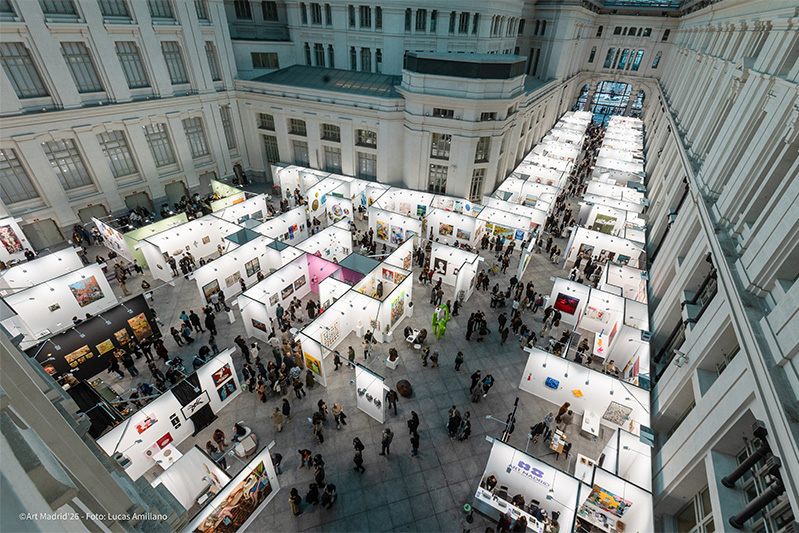
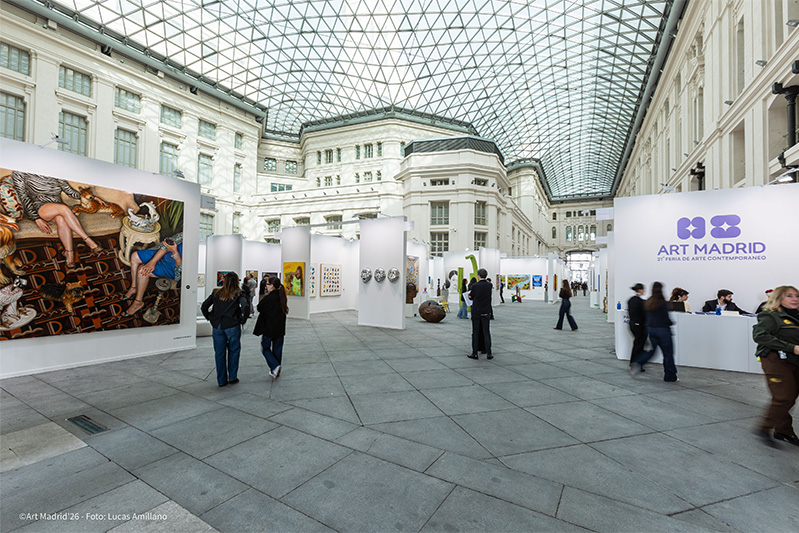
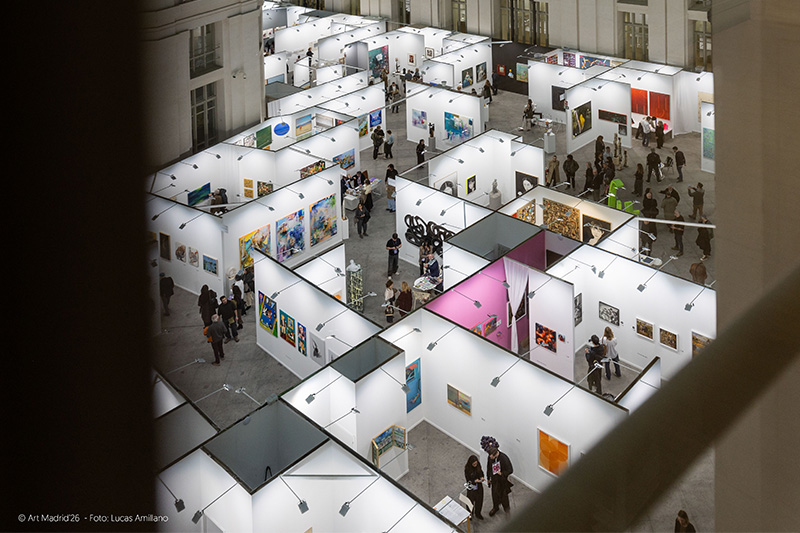
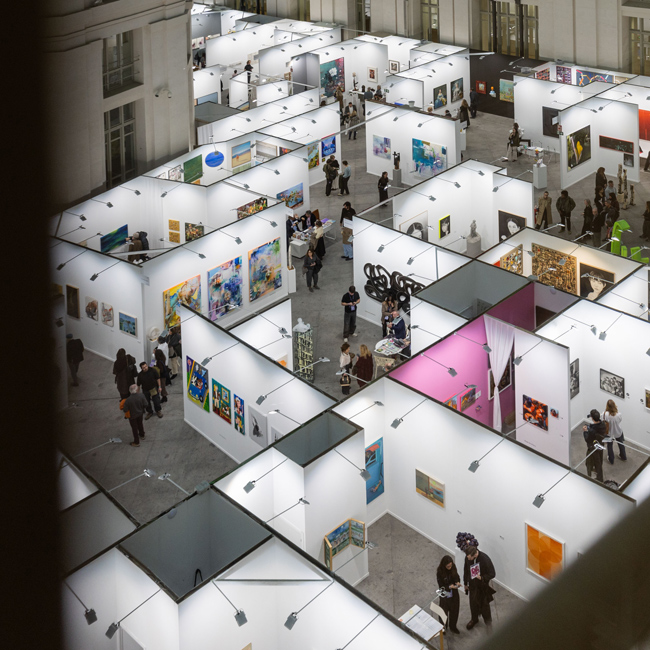
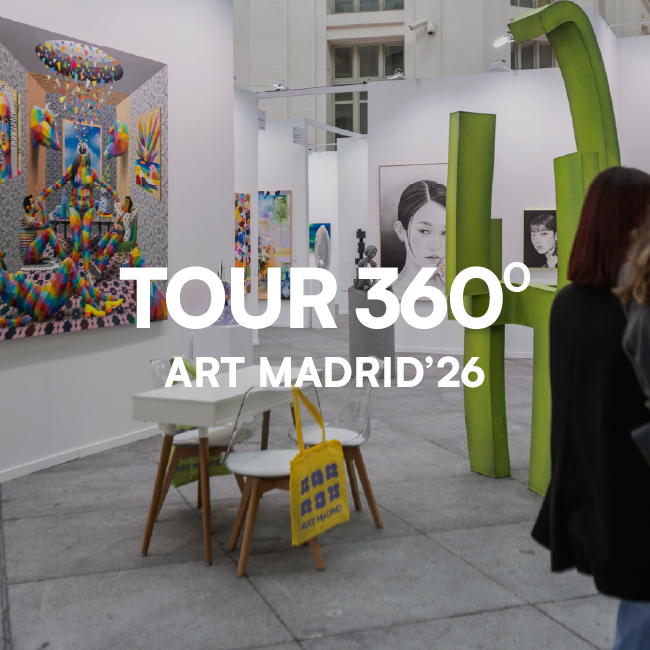
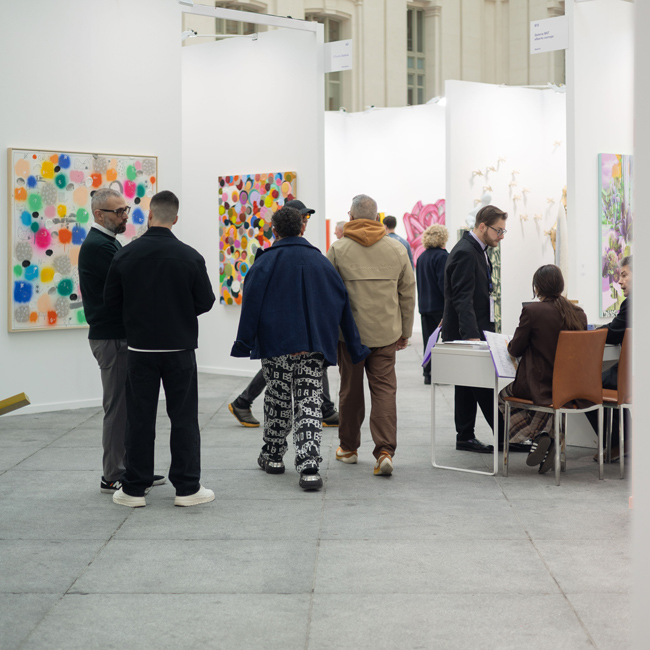
The Galería de Cristal of the Palacio de Cibeles hosted the 21st edition of Art Madrid from March 4 to 8, once again consolidating its role as one of the must-see events of Madrid Art Week. Over the course of five days, the fair brought together 35 national and international galleries and more than 200 artists, turning the venue into a meeting point for gallerists, collectors, professionals, and lovers of contemporary art.

Throughout its trajectory, Art Madrid has built a distinct identity, with a constant focus on giving visibility to both emerging and established galleries and on opening contemporary art to diverse audiences. Rather than being structured around a single curatorial line, the fair embraced a plural proposal, respecting the unique DNA of each exhibitor.


Art Madrid’26 presented a Gallery Program distinguished by the diversity of artistic proposals and languages, encouraging dialogue between different generations and contemporary practices. Painting, sculpture, photography, drawing, installation, and new hybrid forms coexisted in an edition that once again confirmed the dynamism of today’s art scene

During the days of the fair, nearly 20,000 visitors explored the booths of the participating galleries and enjoyed a parallel program that expanded the experience beyond the traditional exhibition format.


The Parallel Program: An Expanded Art Fair

The Parallel Program once again took center stage in the Art Madrid experience, activating the fair space through projects that explored new forms of interaction between artworks, artists, and the public.

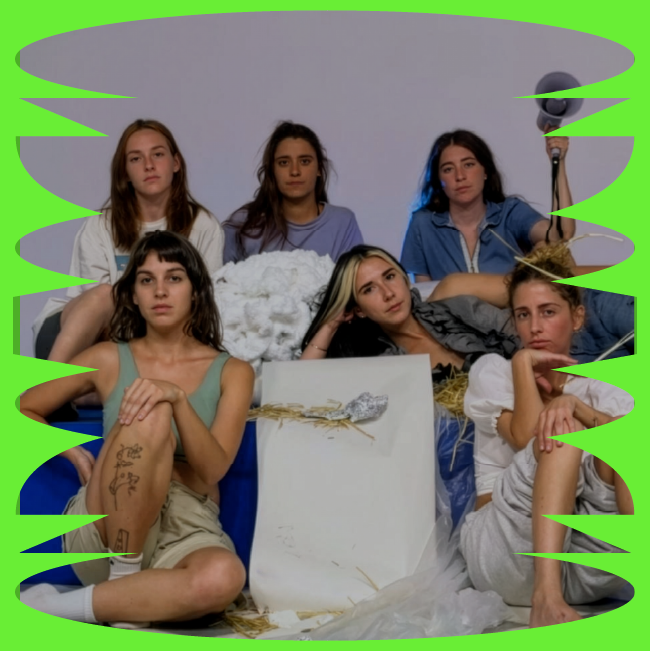
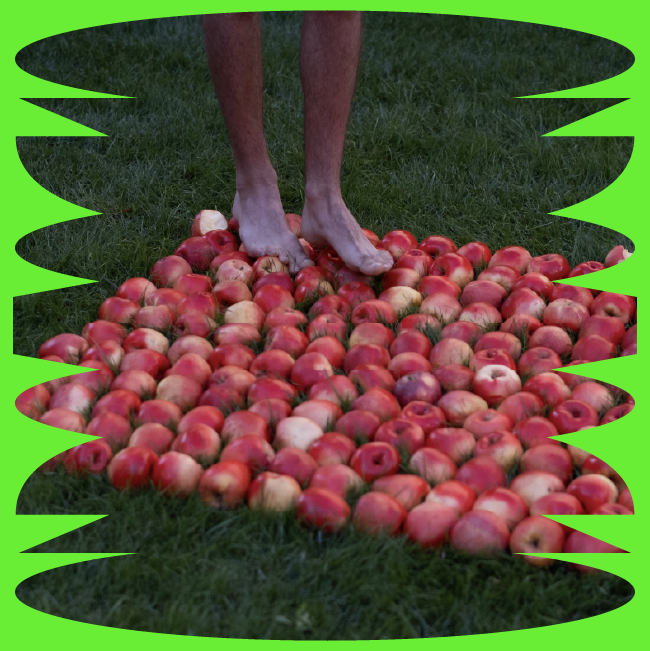
Among the most notable initiatives was the performance series Open Infinite: What the Body Remembers, which presented a daily performative action at the fair featuring works by Colectivo La Burra Negra, Rocío Valdivieso, Amanda Gatti, and Jimena Tercero. The pieces incorporated the body as a critical device and a space of memory, reinforcing the presence of performance within Art Madrid’s programming.

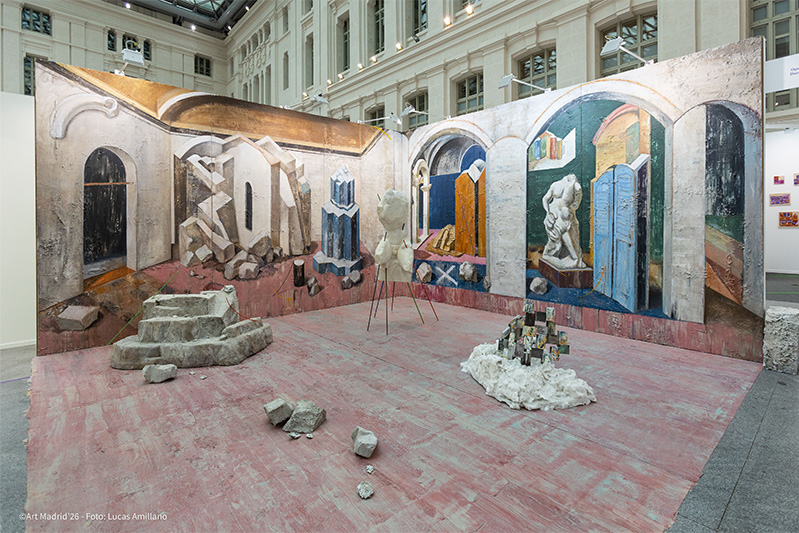
The third edition of Open Booth presented Despiece. Protocolo de mutación, by Daniel Barrio, a site-specific project that transformed the booth into a landscape constructed from urban remnants and industrial materials. The installation invited visitors to physically engage with the work, creating an immersive experience within the exhibition space.

Meanwhile, Espacio Nebrija hosted the project Estancias transitorias (NotanIA SipedagogIE), a proposal by Nebrija University that reflected on Aesthetic Intelligence in the face of the growing dominance of algorithmic logic. The installation proposed a reclamation of gesture, materiality, and the time inherent to the creative process as dimensions that cannot be reduced to automation.

Lecturas. Curated Walkthroughs also returned, with itineraries designed by Zuriñe Lafón and Marisol Salanova that offered curatorial insights for exploring the fair from specific critical perspectives and expanding the visitor experience.


Patronage, Awards, and Acquisitions

Support for contemporary creation once again stood as one of the fair’s central pillars through the second edition of the Art Madrid Patronage Program, which recognizes the work of artists and strengthens the connections between galleries, collectors, and private entities.

On this occasion, the following awards were presented:

Cervezas Alhambra Emerging Artist Award Iyán Castaño, represented by Galería Arancha Osoro


One Shot Hotels Breakthrough Artist Award Joost Vandebrug, represented by KANT Gallery


In the Acquisition Awards category, several private collections incorporated works presented at the fair into their collections.


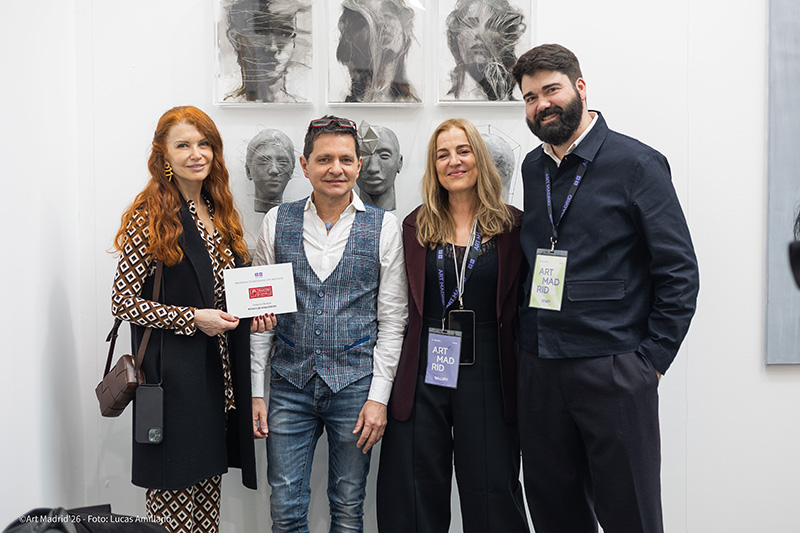
Studiolo Collection Roger Sanguino — DDR Art Gallery


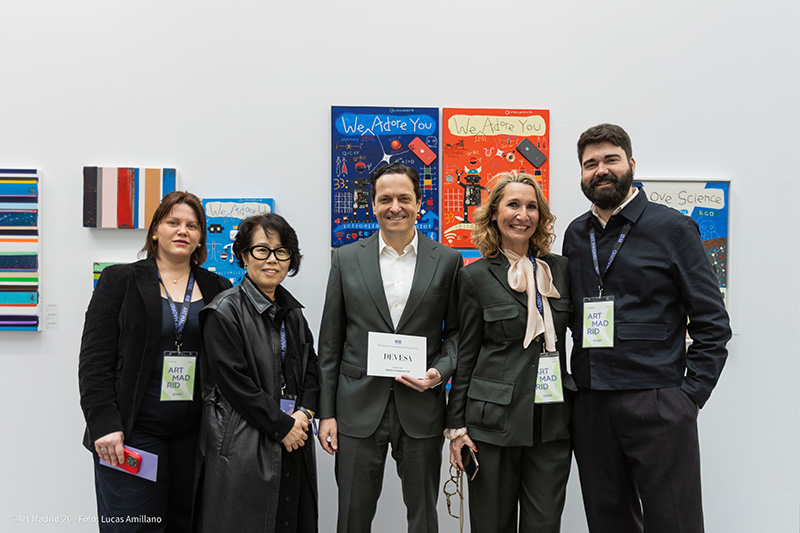
Devesa Law Kim Han Ki — Banditrazos Gallery


E2IN2 Collection Albert Bonet — Inéditad Gallery


dn2 Collection Iván Baizán — Galería Arancha Osoro

These acquisitions reflect the private sector’s commitment to the development of contemporary art and contribute to advancing the professional trajectories of emerging and mid-career artists.


Collecting and Support for the Artistic Ecosystem

The promotion of collecting once again played a prominent role in this edition thanks to the One Shot Collectors program, which offered personalized advice to both new buyers and more experienced collectors, facilitating access to the contemporary art market and fostering direct relationships between artists, galleries, buyers, and collectors.


This program, together with the Patronage Program, continues to strengthen the professional ecosystem surrounding the fair and reinforce Art Madrid’s commitment to supporting contemporary creation.

Among the most notable sales were works by Antonio Ovejero, represented by CLC ARTE; Leticia Feduchi and Ángela Mena, represented by Galería Sigüenza; Idoia Cuesta and Iyán Castaño, represented by Galería Arancha Osoro; and Yasiel Elizagaray, represented by Nuno Sacramento Arte Contemporânea. Likewise, the proposals presented by Inéditad Gallery were very well received, with notable sales of works by artists Albert Bonet and Eduardo Urdiales, as well as Carmen Mansilla, who debuted at Art Madrid'26 and achieved a sold out.


The overall balance of the edition has been particularly positive, with sales reported by all 35 participating galleries, confirming the strong interest from collectors and the dynamism of the market throughout the fair. Among the galleries that recorded notable commercial activity are La Mercería (Valencia), LAVIO (Murcia–Shanghai), 3 Punts Galería (Barcelona), Galerie One (Paris), Shiras Galería (Valencia), Galería Rodrigo Juarranz (Aranda de Duero), Galería São Mamede (Lisbon), Yiri Arts (Taiwan), and Trema Arte Contemporânea (Lisbon), among others.


A Fair made possible thanks to Its network of Partners

The success of Art Madrid’26 has been made possible thanks to the support of its official sponsors: Cervezas Alhambra, One Shot Hotels, Liquitex, Universidad Nebrija, and Posca, as well as the trust of its collaborators: Asociación 9915, Colección Studiolo, E2IN2, Colección dn2, Devesa Law, Enviarte, Cova 13, and Vanille Bakery Lab & Café. The fair also benefits from the involvement of its media partners and the support of various cultural organizations, private collections, and institutions that contribute to strengthening the contemporary art ecosystem.


Art Madrid: A Future Full of Possibilities

After 21 years of history, Art Madrid continues to consolidate its position as a key event in the contemporary art calendar, both nationally and internationally. Its ability to bring together galleries, artists, collectors, and institutions reinforces its role as a space for encounter, exchange, and discovery. The fair maintains a steadily growing outlook, driven by a program that evolves each year and increasingly opens up to more innovative proposals.

Thank you for being part of the 21st edition of Art Madrid. Your support is essential for continuing to promote art and culture.


SEE YOU AT ART MADRID'27!