Art Madrid'26 – OPEN BOOTH x DANIEL BARRIO. ART MADRID ’26

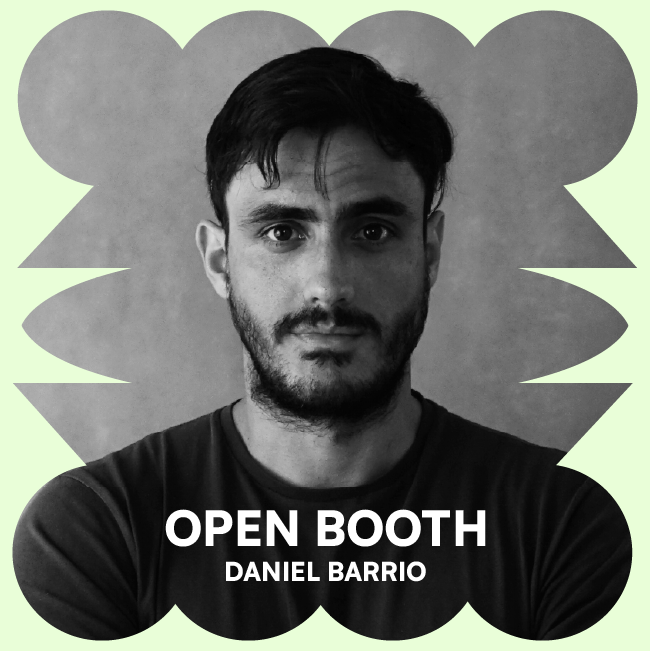
Daniel Barrio. Guest artist of the third edition of OPEN BOOTH. Courtesy of the artist.


DESPIECE. PROTOCOLO DE MUTACIÓN


As part of the Art Madrid’26 Parallel Program, we present the third edition of Open Booth, a space conceived as a platform for artistic creation and contemporary experimentation. The initiative focuses on artists who do not yet have representation within the gallery circuit, offering a high-visibility professional context in which new voices can develop their practice, explore forms of engagement with audiences, and consolidate their presence within the current art scene. On this occasion, the project features artist Daniel Barrio (Cuba, 1988), who presents the site-specific work Despiece. Protocolo de mutación.

Daniel Barrio’s practice focuses on painting as a space for experimentation, from which he explores the commodification of social life and the tyranny of media approval. He works with images drawn from the press and other media, intervening in them pictorially to disrupt their original meaning. Through this process, the artist opens up new readings and questions how meaning is produced, approaching painting as a space of realization, therapy, and catharsis.

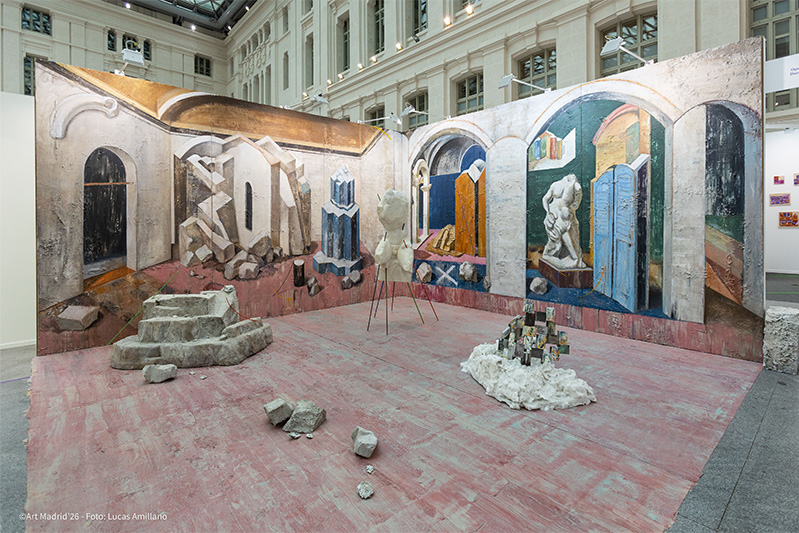
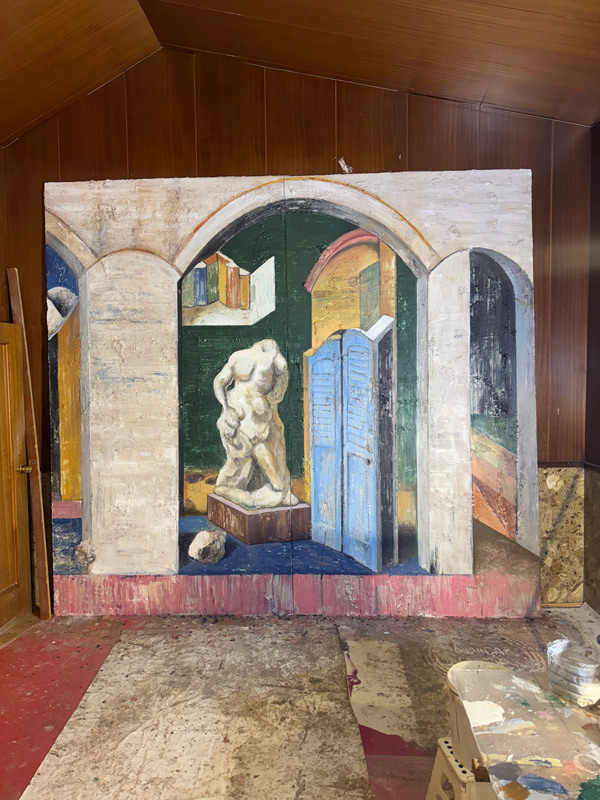
Despiece. Protocolo de mutación is built from urban remnants, industrial materials, and fragments of history, inviting us to reflect on which memories we inherit, which we consume, and which ones we are capable of creating. Floors, walls, and volumes come together to form a landscape under tension, where the sacred coexists with the everyday, and where cracks matter more than perfection.

The constant evolution of art calls for ongoing exchange between artists, institutions, and audiences. In its 21st edition, Art Madrid reaffirms its commitment to acting as a catalyst for this dialogue, expanding the traditional boundaries of the art fair context and opening up new possibilities of visibility for emerging practices.
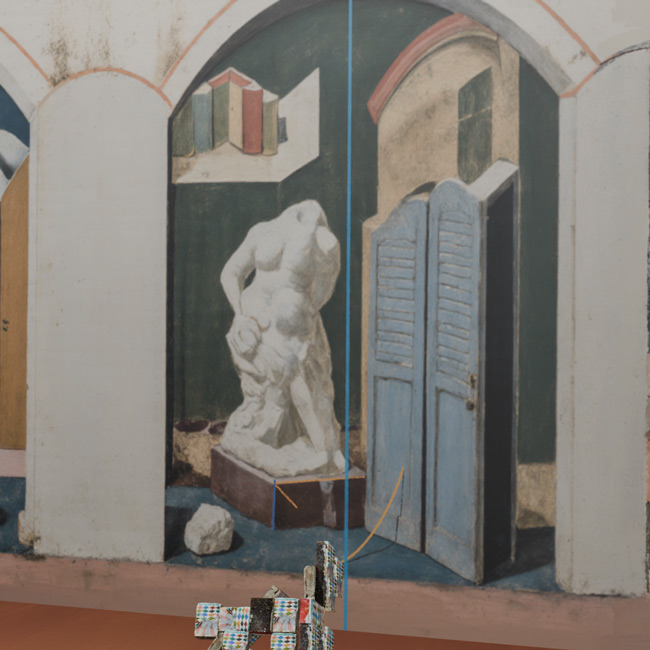


Despiece. Protocolo de mutación emerges from a critical and affective impulse to dismantle, examine, and reassemble what shapes us culturally and personally. The work is conceived as an inseparable whole: an inner landscape that operates as a device of suspicion, where floors, walls, and volumes configure an ecosystem of remnants. It proposes a reading of history not as a linear continuity, but as a system of forces in permanent friction, articulating space as an altered archive—a surface that presents itself as definitive while remaining in constant transformation.
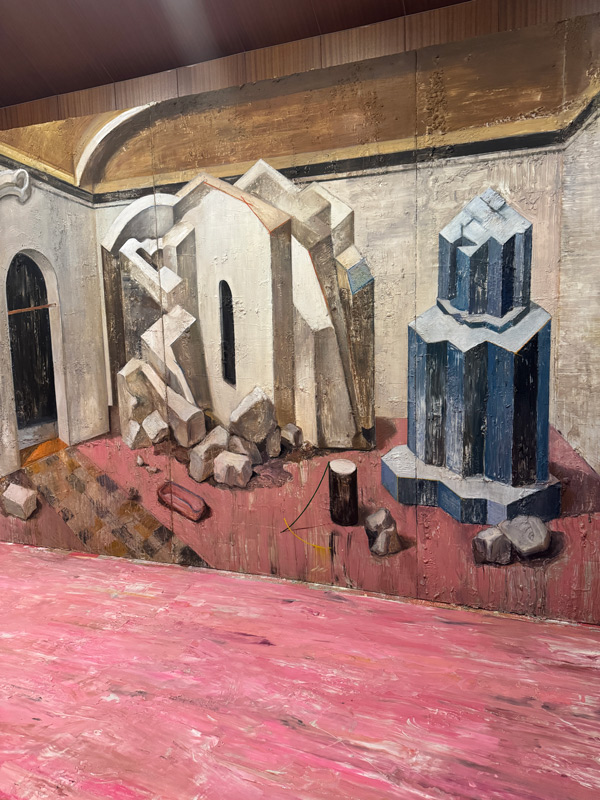


The work takes shape as a landscape constructed from urban waste, where floors, walls, and objects form a unified body made of lime mortar, PVC from theatrical signage, industrial foam, and offering wax. At the core of the project is an L-shaped structure measuring 5 × 3 meters, which reinterprets the fresco technique on reclaimed industrial supports. The mortar is applied wet over continuous working days, without a pursuit of perfection, allowing the material to reveal its own character. Orbiting this structure are architectural fragments: foam blocks that simulate concrete, a 3D-printed and distorted Belvedere torso, and a wax sculptural element embedded with sandpaper used by anonymous workers and artists, preserving the labor of those other bodies.

A white wax sculptural element functions within the installation as a point of sensory concentration that challenges the gaze. Inside it converge the accumulated faith of offering candles and the industrial residues of the studio, recalling that purity and devotion coexist with the materiality of everyday life. The viewer’s experience thus moves beyond the visual: bending down, smelling, and approaching its vulnerability transforms perception into an intimate, embodied act. Embedded within its density are sanding blocks used by artists, artisans, and laborers, recovered from other contexts, where the sandpaper operates as a trace of the effort of other bodies, following a protocol of registration with no autobiographical intent.

Despiece. Protocolo de mutación addresses us directly, asking: which memory do we value—the one we consume, or the one we construct with rigor? The audience leaves behind a purely contemplative position to become part of the system, as the effort of moving matter, documentary rigor, and immersive materiality form a body of resistance against a mediated reality. The project thus takes shape as an inner landscape, where floor, surface, and volume articulate an anatomy of residues. Adulteration operates as an analytical methodology applied to the layers of urban reality, intervening in history through theatrical and street advertising, architectural remnants, and administrative protocols, proposing that art can restore the capacity to build one’s own memory, even if inevitably fragmented.


ABOUT THE ARTIST

DANIEL BARRIO (1988, Cuba)

Daniel Barrio (Cienfuegos, Cuba, 1988) is a visual artist whose practice articulates space through painting, understanding the environment as an altered archive open to critical intervention. He studied at the Academy of Fine Arts of Cienfuegos (2004–2008), specializing in painting, and later at the Madrid Film School (ECAM, 2012–2015), where he studied Art Direction. His methodology integrates visual thinking with scenographic narrative.

His trajectory includes solo exhibitions such as La levedad en lo cotidiano (Galería María Porto, Madrid, 2023), Interiores ajenos (PlusArtis, Madrid, 2022), and Tribud (Navel Art, Madrid, 2019), as well as significant group exhibitions including Space is the Landscape (Estudio Show, Madrid, 2024), Winterlinch (Espacio Valverde Gallery, Madrid, 2024), Hiberia (Galería María Porto, Lisbon, 2023), and the traveling exhibition of the La Rioja Young Art Exhibition (2022).

A member of the Resiliencia Collective, his work does not pursue the production of objects but rather the articulation of pictorial devices that generate protocols of resistance against the flow of disposable images. In a context saturated with immediate data, his practice produces traces and archives what must endure, questioning not the meaning of the work itself but the memory the viewer constructs through interaction—thus reclaiming sovereignty over the gaze and inhabiting ruins as a method for understanding the present.

ART MADRID CLOSES ITS 21ST EDITION AS A KEY EVENT OF MADRID ART WEEK


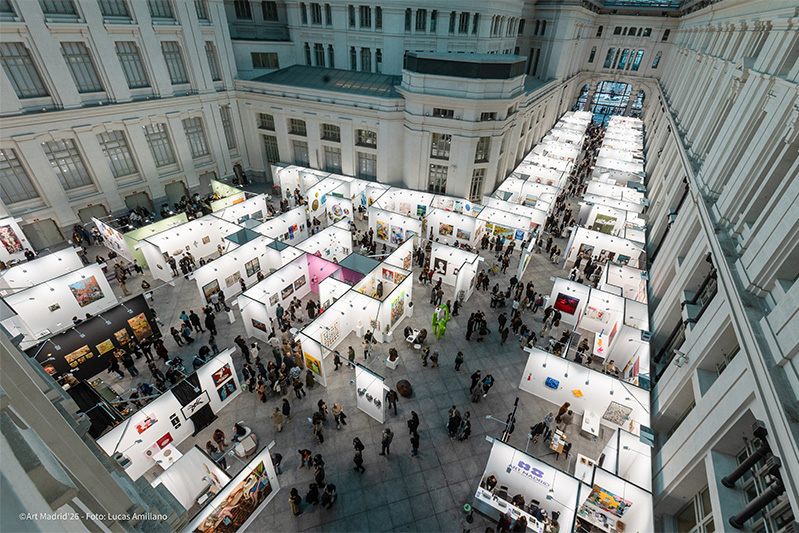
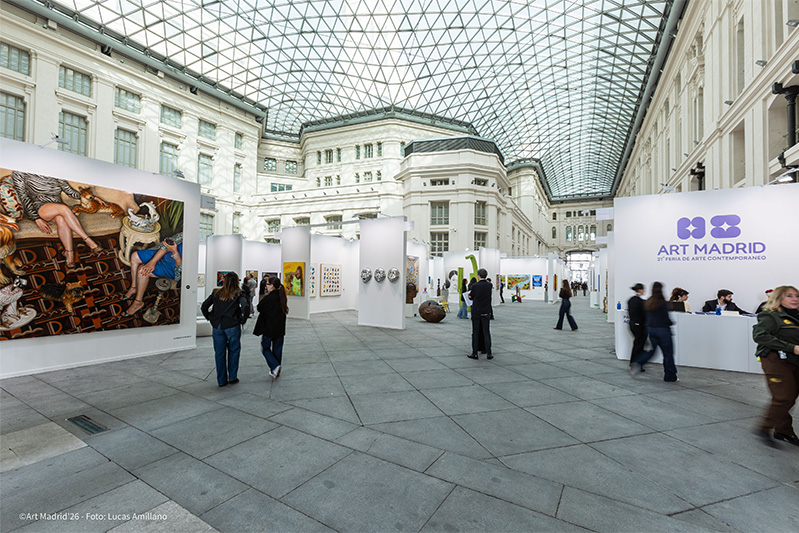
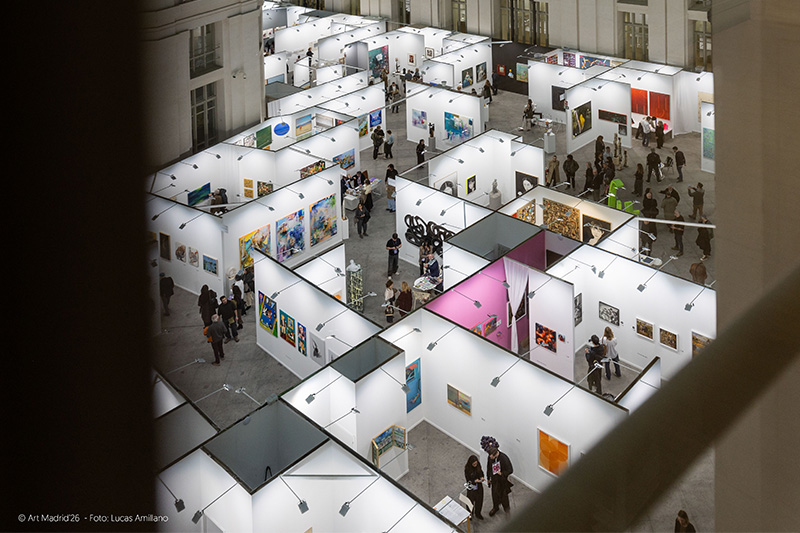
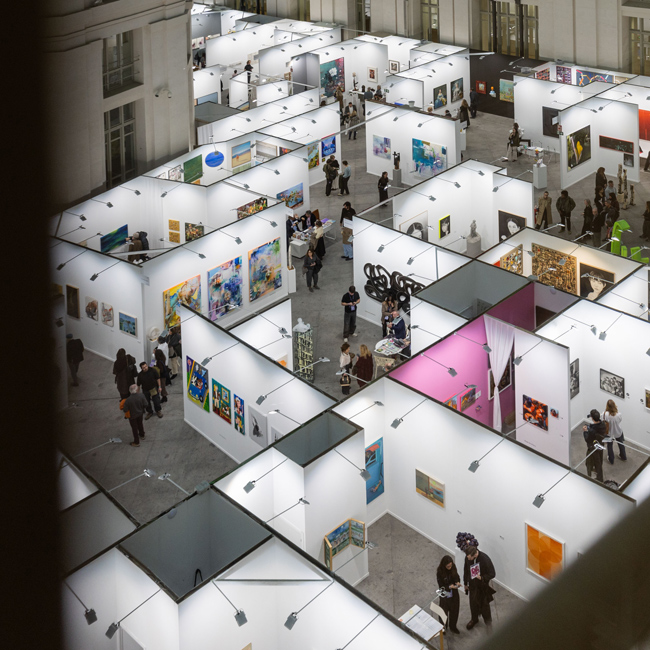
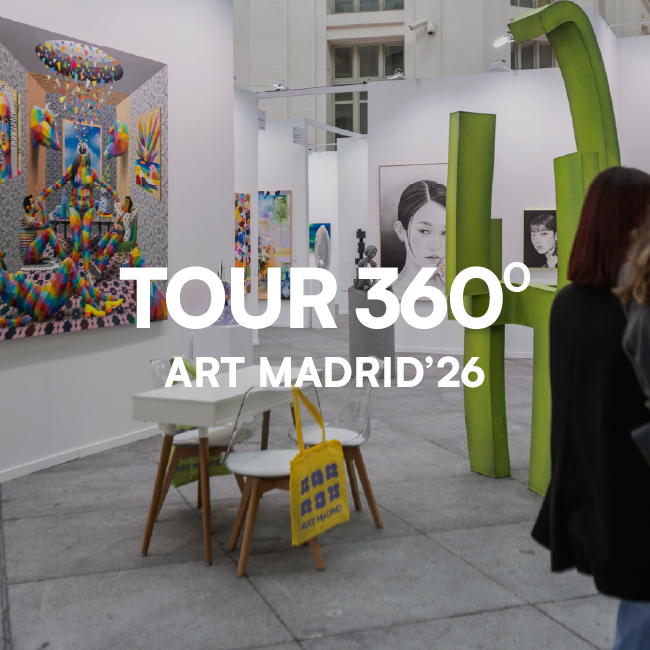
The Galería de Cristal of the Palacio de Cibeles hosted the 21st edition of Art Madrid from March 4 to 8, once again consolidating its role as one of the must-see events of Madrid Art Week. Over the course of five days, the fair brought together 35 national and international galleries and more than 200 artists, turning the venue into a meeting point for gallerists, collectors, professionals, and lovers of contemporary art.

Throughout its trajectory, Art Madrid has built a distinct identity, with a constant focus on giving visibility to both emerging and established galleries and on opening contemporary art to diverse audiences. Rather than being structured around a single curatorial line, the fair embraced a plural proposal, respecting the unique DNA of each exhibitor.


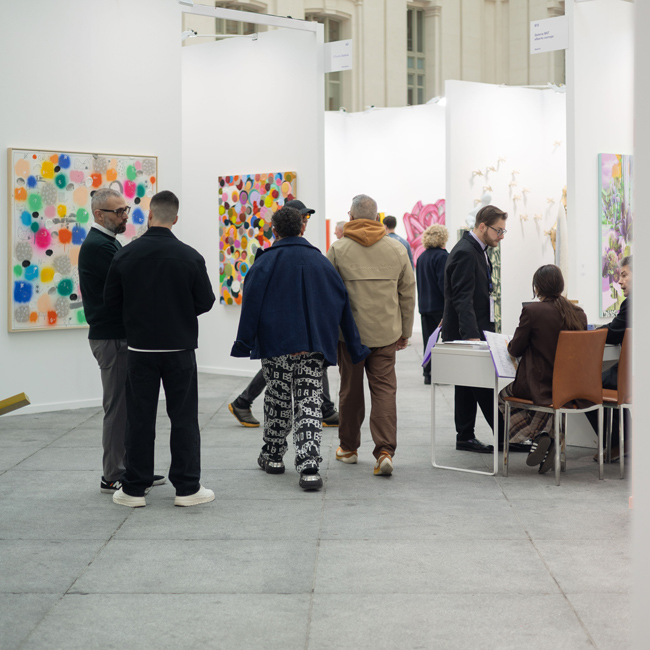
Art Madrid’26 presented a Gallery Program distinguished by the diversity of artistic proposals and languages, encouraging dialogue between different generations and contemporary practices. Painting, sculpture, photography, drawing, installation, and new hybrid forms coexisted in an edition that once again confirmed the dynamism of today’s art scene

During the days of the fair, nearly 20,000 visitors explored the booths of the participating galleries and enjoyed a parallel program that expanded the experience beyond the traditional exhibition format.


The Parallel Program: An Expanded Art Fair

The Parallel Program once again took center stage in the Art Madrid experience, activating the fair space through projects that explored new forms of interaction between artworks, artists, and the public.

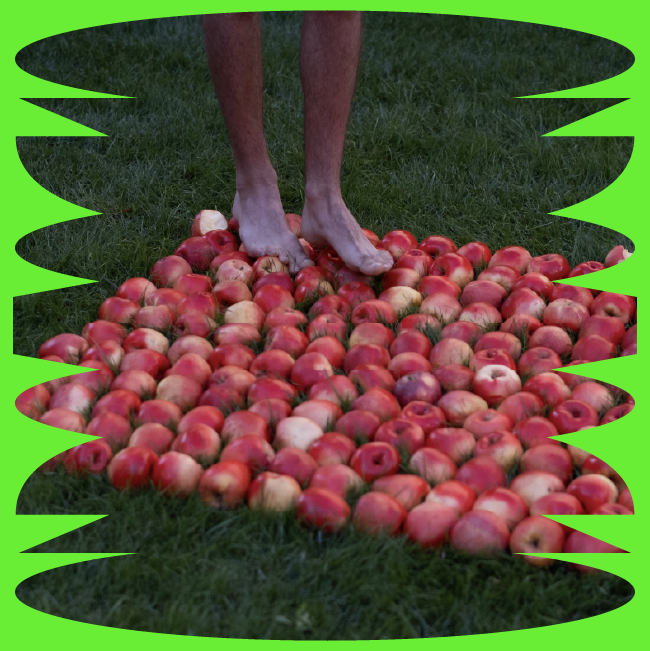
Among the most notable initiatives was the performance series Open Infinite: What the Body Remembers, which presented a daily performative action at the fair featuring works by Colectivo La Burra Negra, Rocío Valdivieso, Amanda Gatti, and Jimena Tercero. The pieces incorporated the body as a critical device and a space of memory, reinforcing the presence of performance within Art Madrid’s programming.

The third edition of Open Booth presented Despiece. Protocolo de mutación, by Daniel Barrio, a site-specific project that transformed the booth into a landscape constructed from urban remnants and industrial materials. The installation invited visitors to physically engage with the work, creating an immersive experience within the exhibition space.

Meanwhile, Espacio Nebrija hosted the project Estancias transitorias (NotanIA SipedagogIE), a proposal by Nebrija University that reflected on Aesthetic Intelligence in the face of the growing dominance of algorithmic logic. The installation proposed a reclamation of gesture, materiality, and the time inherent to the creative process as dimensions that cannot be reduced to automation.

Lecturas. Curated Walkthroughs also returned, with itineraries designed by Zuriñe Lafón and Marisol Salanova that offered curatorial insights for exploring the fair from specific critical perspectives and expanding the visitor experience.


Patronage, Awards, and Acquisitions

Support for contemporary creation once again stood as one of the fair’s central pillars through the second edition of the Art Madrid Patronage Program, which recognizes the work of artists and strengthens the connections between galleries, collectors, and private entities.

On this occasion, the following awards were presented:

Cervezas Alhambra Emerging Artist Award Iyán Castaño, represented by Galería Arancha Osoro


One Shot Hotels Breakthrough Artist Award Joost Vandebrug, represented by KANT Gallery


In the Acquisition Awards category, several private collections incorporated works presented at the fair into their collections.


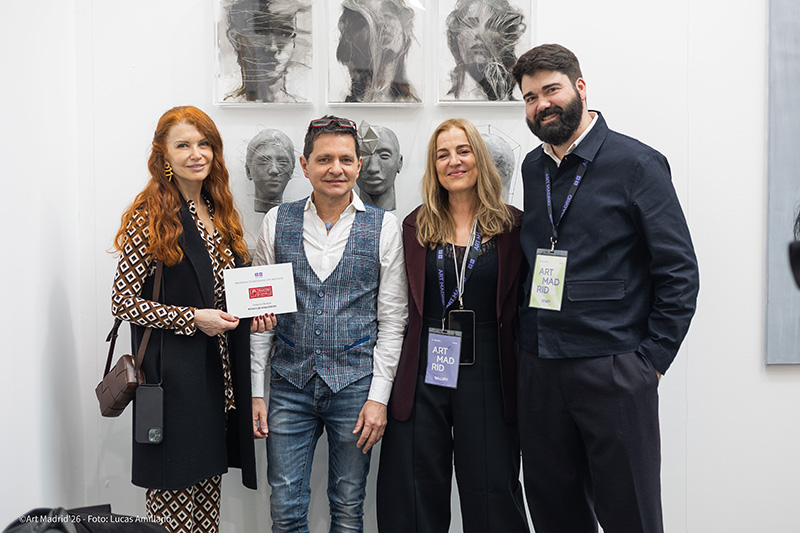
Studiolo Collection Roger Sanguino — DDR Art Gallery


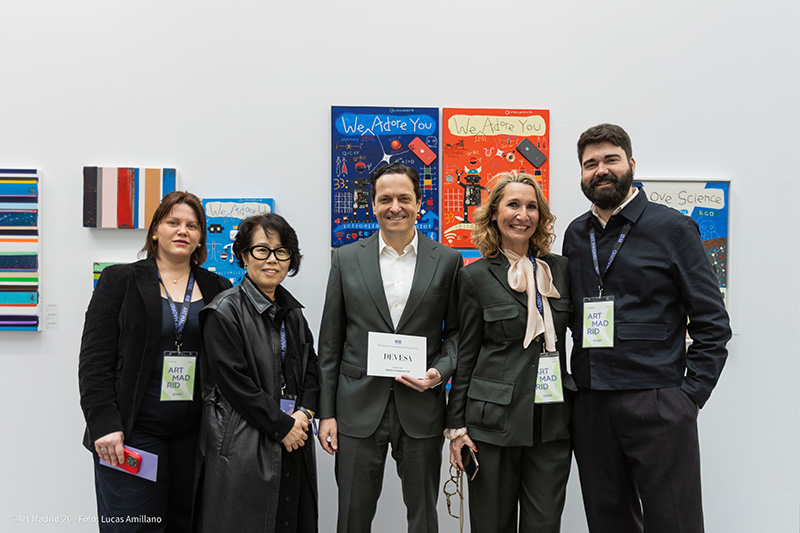
Devesa Law Kim Han Ki — Banditrazos Gallery


E2IN2 Collection Albert Bonet — Inéditad Gallery


dn2 Collection Iván Baizán — Galería Arancha Osoro

These acquisitions reflect the private sector’s commitment to the development of contemporary art and contribute to advancing the professional trajectories of emerging and mid-career artists.


Collecting and Support for the Artistic Ecosystem

The promotion of collecting once again played a prominent role in this edition thanks to the One Shot Collectors program, which offered personalized advice to both new buyers and more experienced collectors, facilitating access to the contemporary art market and fostering direct relationships between artists, galleries, buyers, and collectors.


This program, together with the Patronage Program, continues to strengthen the professional ecosystem surrounding the fair and reinforce Art Madrid’s commitment to supporting contemporary creation.

Among the most notable sales were works by Antonio Ovejero, represented by CLC ARTE; Leticia Feduchi and Ángela Mena, represented by Galería Sigüenza; Idoia Cuesta and Iyán Castaño, represented by Galería Arancha Osoro; and Yasiel Elizagaray, represented by Nuno Sacramento Arte Contemporânea. Likewise, the proposals presented by Inéditad Gallery were very well received, with notable sales of works by artists Albert Bonet and Eduardo UrdIales, as well as Carmen Mansilla, who debuted at Art Madrid'26 and achieved a sold out.


The overall balance of the edition has been particularly positive, with sales reported by all 35 participating galleries, confirming the strong interest from collectors and the dynamism of the market throughout the fair. Among the galleries that recorded notable commercial activity are La Mercería (Valencia), LAVIO (Murcia–Shanghai), 3 Punts Galería (Barcelona), Galerie One (Paris), Shiras Galería (Valencia), Galería Rodrigo Juarranz (Aranda de Duero), Galería São Mamede (Lisbon), Yiri Arts (Taiwan), and Trema Arte Contemporânea (Lisbon), among others.


A Fair made possible thanks to Its network of Partners

The success of Art Madrid’26 has been made possible thanks to the support of its official sponsors: Cervezas Alhambra, One Shot Hotels, Liquitex, Universidad Nebrija, and Posca, as well as the trust of its collaborators: Asociación 9915, Colección Studiolo, E2IN2, Colección dn2, Devesa Law, Enviarte, Cova 13, and Vanille Bakery Lab & Café. The fair also benefits from the involvement of its media partners and the support of various cultural organizations, private collections, and institutions that contribute to strengthening the contemporary art ecosystem.


Art Madrid: A Future Full of Possibilities

After 21 years of history, Art Madrid continues to consolidate its position as a key event in the contemporary art calendar, both nationally and internationally. Its ability to bring together galleries, artists, collectors, and institutions reinforces its role as a space for encounter, exchange, and discovery. The fair maintains a steadily growing outlook, driven by a program that evolves each year and increasingly opens up to more innovative proposals.

Thank you for being part of the 21st edition of Art Madrid. Your support is essential for continuing to promote art and culture.

See You at Art Madrid’27!