VEHICLES FOR ART INVESTMENT: FOUNDATIONS AND ASSOCIATIONS VS. PERSONAL ESTATE
Feb 23, 2026
art madrid
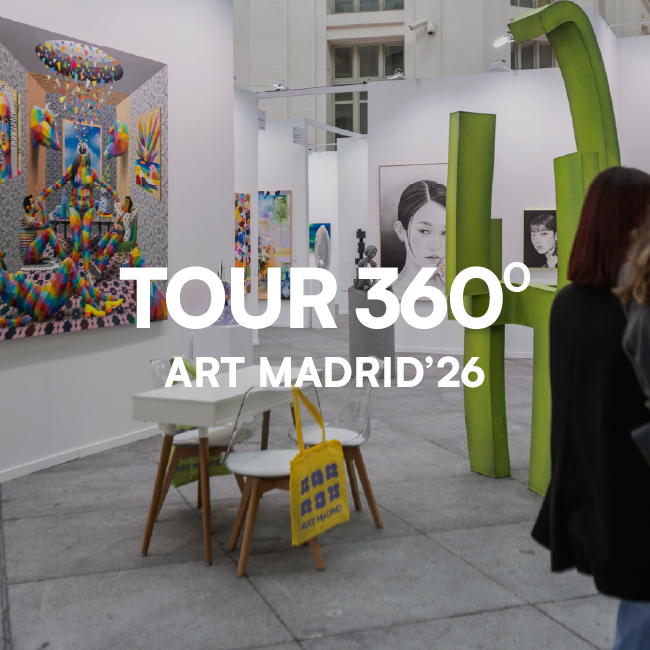
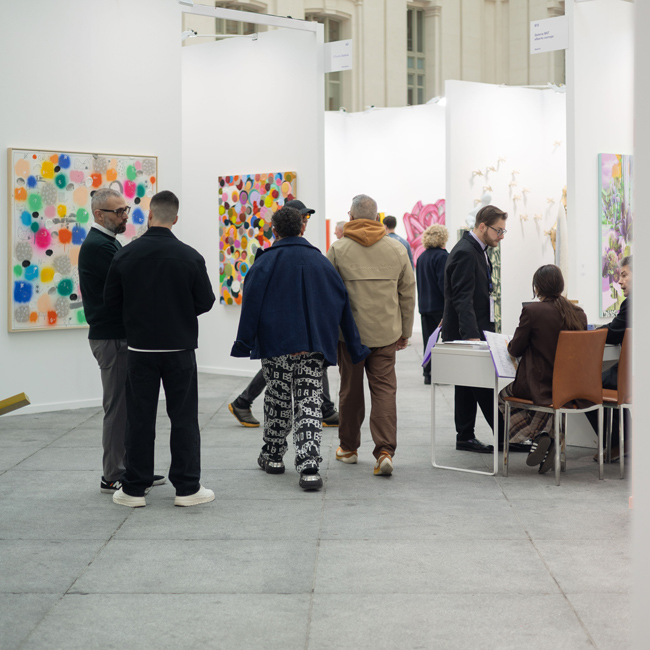
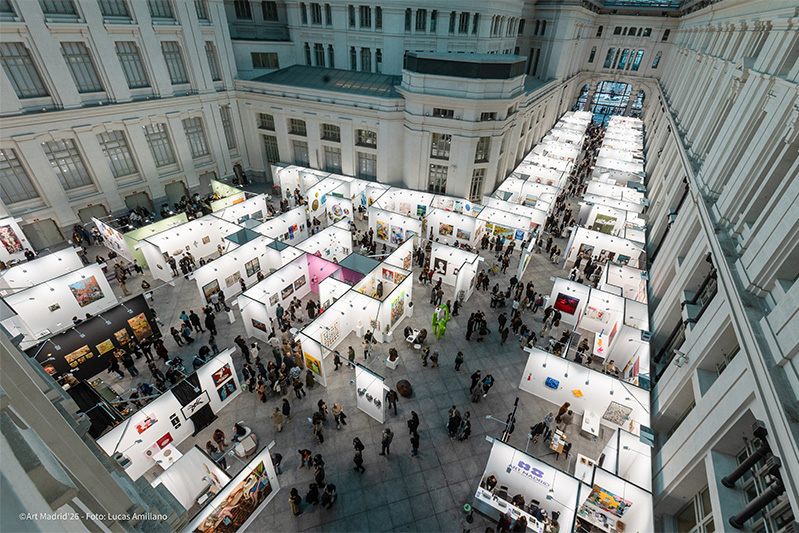
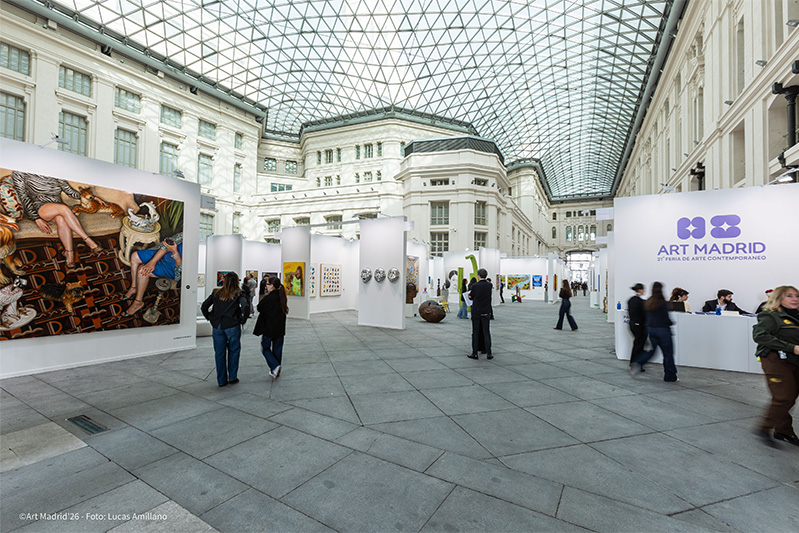
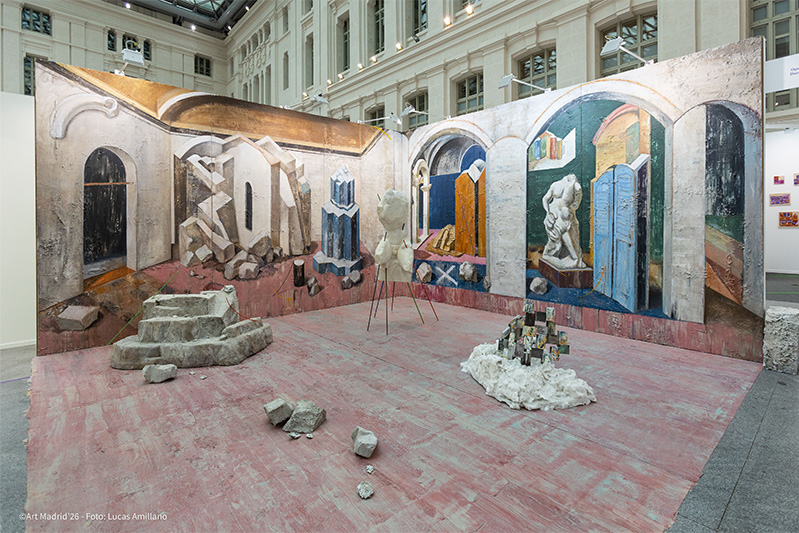
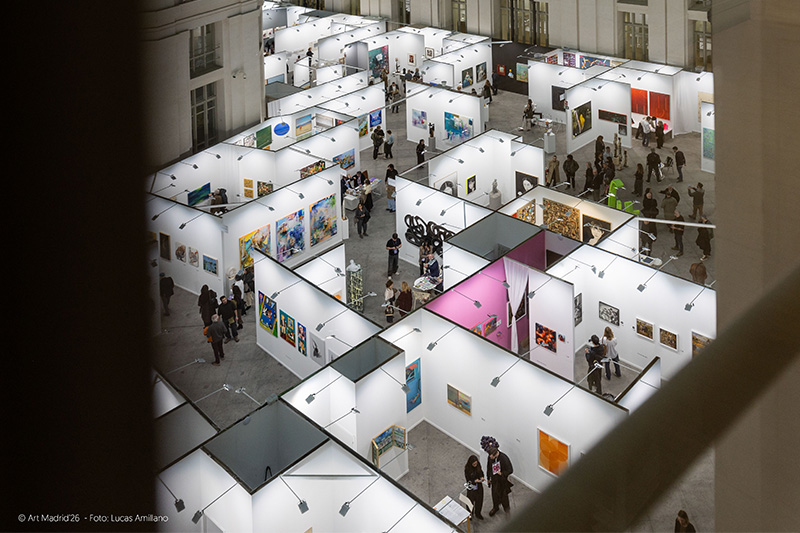
March transforms Madrid into a true hub of the art market, with fairs such as Art Madrid—an event we at Devesa have the privilege of supporting—characterized by a closer connection to private collecting and the Spanish art scene. In that context, it is no coincidence that a familiar question resurfaces whenever art ceases to be merely a passion and begins to occupy a stable place within a family’s or group’s wealth architecture: does it make sense to channel the acquisition, stewardship, and rotation of a collection through non-profit vehicles—foundations or associations—and, if so, what are the legal and tax boundaries of such a model?
The short answer is yes, it can be an appropriate structure—but only if one clearly understands what is truly being established: not a “wrapper” for tax optimization, but an entity oriented toward purposes of general interest (cultural, educational, heritage conservation and dissemination, among others), subject to governance, oversight, and asset-allocation rules that make the reversion of contributed assets to founders or trustees, in practice, extremely difficult. For precisely that reason, when the objective is the intergenerational continuity of a collection without fragmentation through inheritance, a foundation (or an association declared to be of public benefit) can be a highly effective solution. The collection “exits” the personal estate and becomes part of a dedicated patrimony allocated to a cultural purpose, with a vocation for permanence.

From a technical standpoint, if the aim is to access the special tax regime established under Law 49/2002, the first step is selecting the appropriate vehicle. The law recognizes as non-profit entities, among others, foundations and associations declared to be of public benefit, provided they meet the requirements set out in Article 3 (pursuit of purposes of general interest, allocation of income, generally unpaid governing positions subject to certain nuances, and—crucially—the mandatory allocation of assets upon dissolution). In the art context, this requires careful drafting of the bylaws: the cultural mission must be genuine rather than rhetorical, and activities must be grounded in demonstrable policies concerning acquisitions, conservation, research, cataloguing, loans, exhibitions, publications, or support for artists.
From the perspective of Wealth Tax (and, where applicable, the Temporary Solidarity Tax on Large Fortunes), the principal mechanism is straightforward: assets that are no longer personally owned do not form part of the taxable base. The Temporary Solidarity Tax operates as a complementary state tax to Wealth Tax for net assets exceeding €3,000,000, with its own specific mechanics. Accordingly, the contribution (by way of donation) of a collection to a foundation reduces, from the following tax accrual date, the contributor’s exposure to these taxes—provided the transfer is effective and ownership genuinely passes to the entity.
That said, Wealth Tax itself contains a particularly relevant nuance for collectors: certain works of art and antiques may qualify for exemption where their value does not exceed specified thresholds by category. In addition, exemption may apply to works placed on permanent deposit for a minimum period of three years with museums or non-profit cultural institutions for public exhibition, for as long as the deposit remains in force. An artist’s own works are likewise exempt while they remain part of the artist’s estate. This deposit alternative may prove attractive where the collector wishes to retain ownership while mitigating tax exposure and reinforcing the social function of the collection without definitively relinquishing it. In other words, before “foundationalizing” a collection, it is advisable to assess whether category-based exemptions or the deposit mechanism already address a significant portion of the issue.
Succession planning is likely the most compelling—and at the same time most delicate—argument. References to “preserving an inheritance without taxation” require precision: a foundation is not a device for transferring assets to heirs while avoiding Inheritance and Gift Tax, because the collection ceases to be inheritable in the traditional sense.
What it achieves is something different: it prevents the collection from being fragmented among heirs upon the collector’s death or from having to be liquidated to satisfy tax liabilities or distribution requirements. Instead, the collection remains within a legal entity of indefinite duration, governed by a Board of Trustees and oriented toward cultural purposes. The family may retain influence through the composition of the Board, governance protocols, and professional artistic management, but always within clear limits: trustees cannot be the principal beneficiaries of the entity’s activities or enjoy preferential conditions. In the event of dissolution, the assets must be allocated in their entirety to other entities eligible for patronage incentives or to public bodies pursuing purposes of general interest. This “lock”—which ultimately guarantees that the assets are devoted to the public interest—explains why contributed property is difficult to reverse and, in economic terms, exits the family’s patrimonial sphere.
Where the regime under Law 49/2002 offers particularly significant advantages for the natural cycle of collecting—selling in order to reinvest—is in Corporate Income Tax at the entity level. The law exempts, among others, income derived from donations; income from movable and immovable property (dividends, interest, royalties, rental income); and, notably, income arising from the acquisition or transfer, under any legal title, of assets or rights. In a foundation that rotates works to enhance the curatorial coherence of the collection, finance restoration, or acquire pieces more aligned with its mission, capital gains generated upon sale will generally fall within the scope of the exemption under the special regime. The Corporate Income Tax base will therefore be limited to non-exempt economic activities, taxed at a rate of 10% on that base.

This advantage, however, is not a blank check. Law 49/2002 requires that at least 70% of certain income and revenues be allocated, directly or indirectly, to purposes of general interest within a period that generally extends up to four years following the close of the financial year. Moreover, the entity must avoid engaging in economic activities unrelated to its statutory purpose, subject to operational limits that require careful monitoring of the proportion of income derived from non-exempt activities. Translated into art-market terms: selling works in order to reinvest and sustain cultural programs is consistent with the regime; transforming the entity into a disguised dealership or a vehicle for systematic trading is not.
When properly structured, therefore, a foundation (or an association declared to be of public benefit) provides a legally coherent response to three classic challenges of patrimonial collecting: (i) recurring exposure to Wealth Tax and the Temporary Solidarity Tax on Large Fortunes, (ii) succession discontinuity and the risk of fragmentation, and (iii) tax and governance friction when rotating works to improve and professionalize a collection. In exchange, two trade-offs must be accepted: first, the collection becomes irrevocably dedicated to a cultural purpose that must be substantiated and actively managed; second, the contributed assets cease to be “recoverable” in family terms, as the legal framework safeguards their allocation and, with it, the social credibility of patronage.
Perhaps that is the essential message in fair season: the art market thrives on passion, but it is consolidated through institutions. When collecting is conceived with a long-term perspective, non-profit structures do more than organize tax exposure—they provide structure to purpose, governance, and legacy. And in an ecosystem such as Madrid’s in March, where creation, investment, and public culture coexist, that combination—properly designed and executed—may represent the most sophisticated way to transform a private collection into shared heritage without sacrificing professionalism, managerial control, or the capacity for evolution.
Por: José María García Guirao.
Managing Partner. Head of the Tax Department at Devesa.