ALWAYS COLLECT: WELCOME TO ONE SHOT COLLECTORS. THE COLLECTING PROGRAM OF ART MADRID'25.
Feb 11, 2025
art madrid
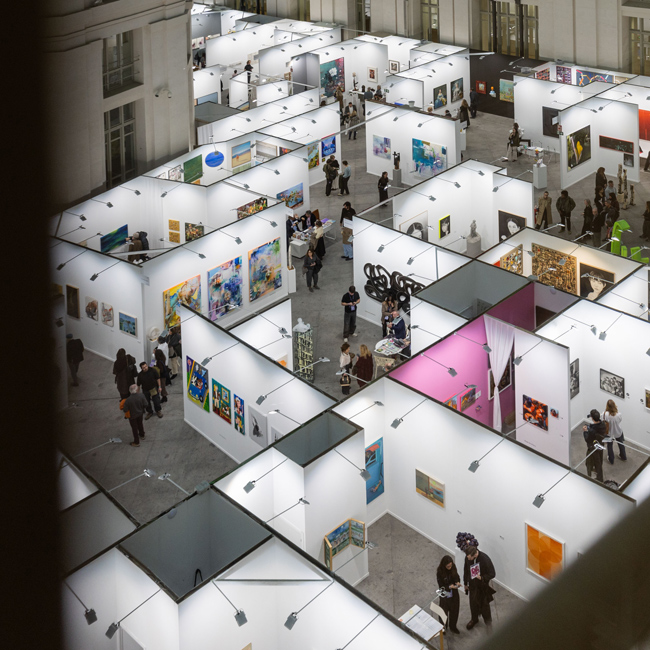
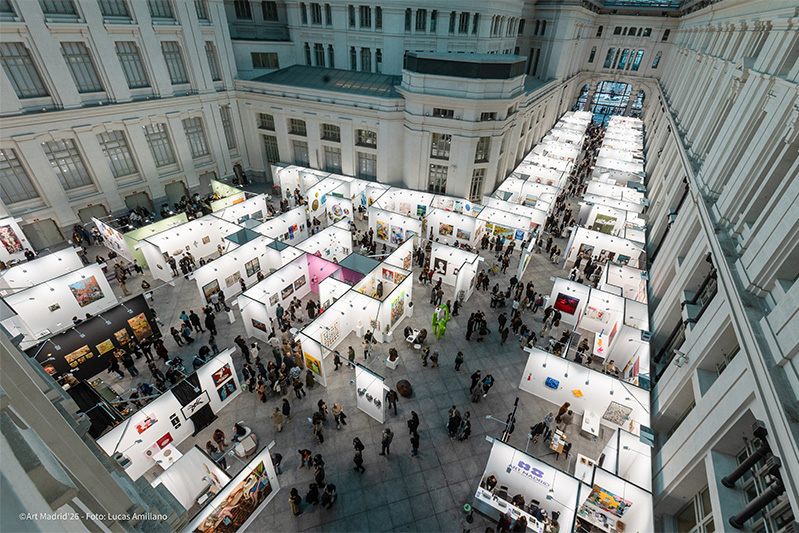
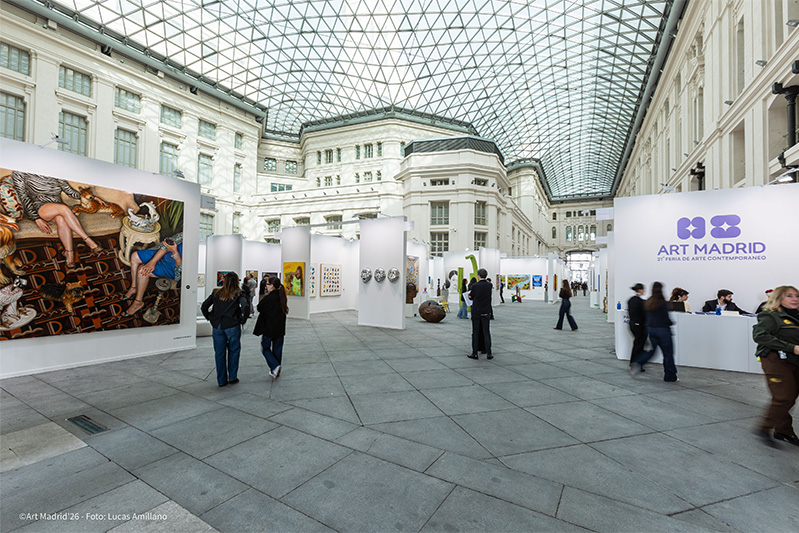
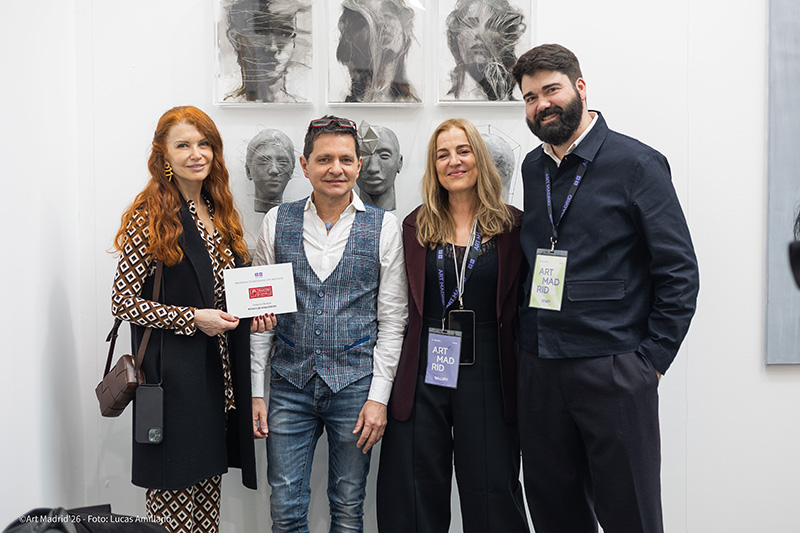
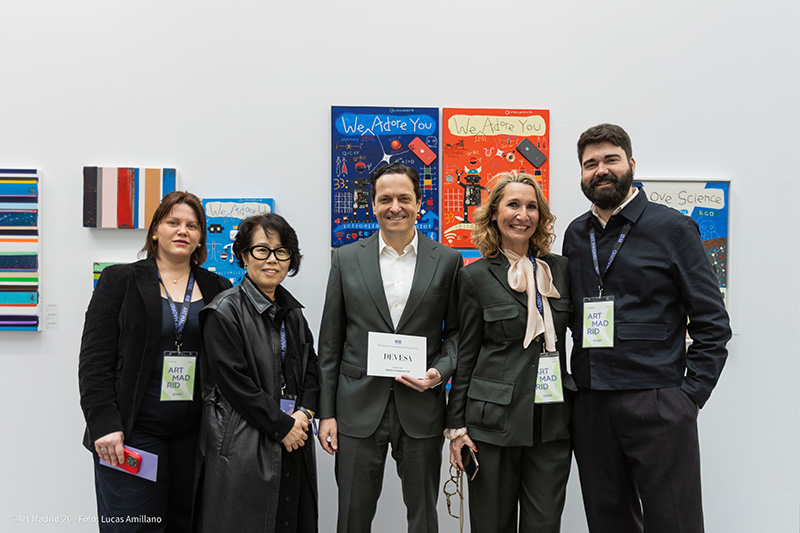
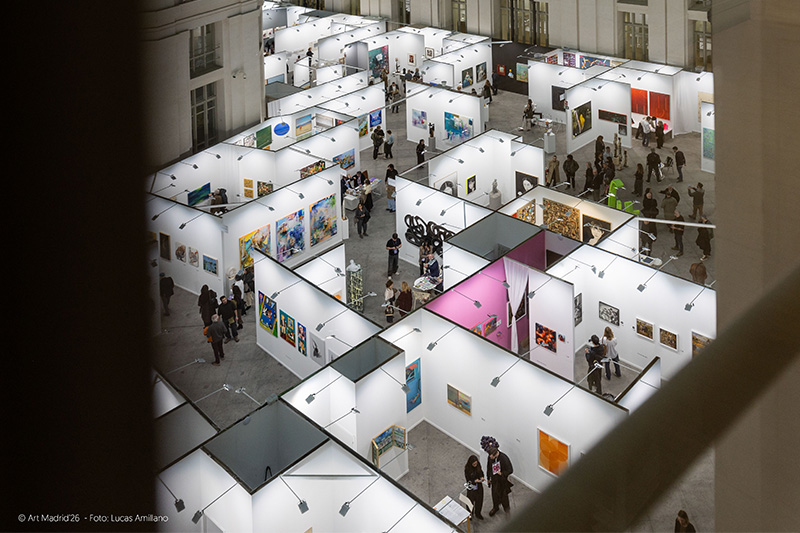
Art Madrid’25 presents One Shot Collectors, a program sponsored by One Shot Hotels that returns to the fair for the fifth consecutive edition with the mission of democratizing and promoting art collecting. Aimed at collectors, professionals in the sector, and new art lovers, the program seeks to bring the public closer to the works by offering an accessible approach supported by experts.
The program is led by Ana Suárez Gisbert, an art advisor with an outstanding track record in the art market. Her experience ranges from art valuation to personalized advisory services, helping participants find pieces that suit their tastes and budget. In addition, she combines her technical knowledge with a passion for sustainability, promoting responsible practices within the art market.
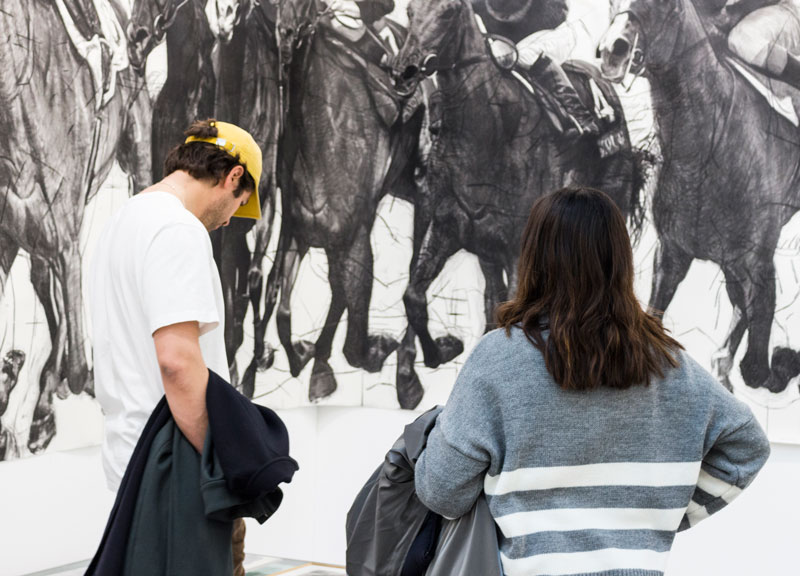
Art collecting is more than a hobby; it is a passion that goes beyond owning a piece. It involves an emotional, aesthetic, and personal journey that connects the collector with the history and creative process of the artist. A collection should evolve gradually, built over time and based on information aligned with our interests. The key is to enjoy the art, without feeling intimidated, and trusting in personal taste.
So, how do we decide what to focus on and where to direct our attention? Where do we start? How do we connect one purchase to the next? A good acquisition happens when we follow our personal tastes, learning to recognize what attracts and interests us, while staying informed before and during the process.
Professional advice from an expert is a safe and consistent way to make decisions. The collector not only seeks to enhance and maximize the quality and value of their collection but also to enrich the buying and enjoyment experience.
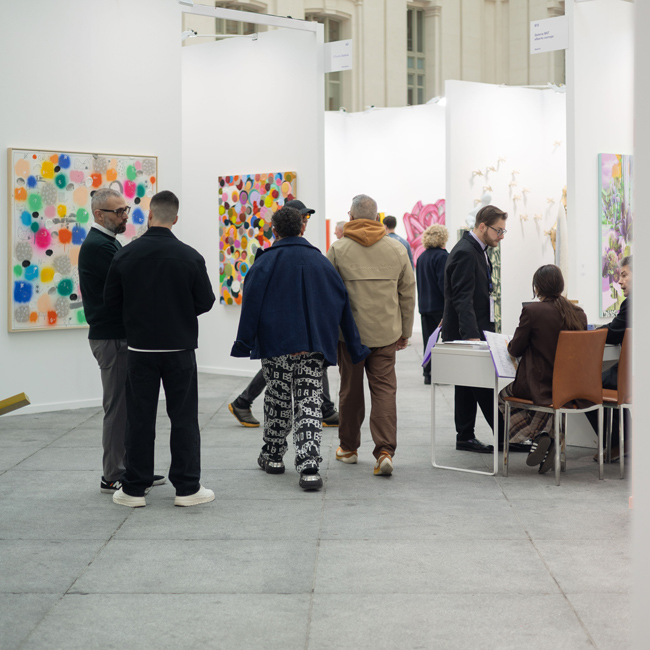
In the 20th edition of Art Madrid’25, a consulting space will be offered, led by Ana Suárez Gisbert, Art Advisor, a Law graduate, and a certified Art Appraiser with extensive experience in the art market. This service is designed for both experienced collectors and those looking for their first collectible piece, even for corporate collectors wishing to reflect their brand values through an art collection. The Art Madrid’25 collecting program adapts to different profiles, needs, and preferences, offering a personalized journey and guidance.
Our Art Advisor will find and prepare a selection of artworks based on the requirements and budget of each buyer, as well as assist in negotiating the acquisition.
Starting in art collecting can arise from a desire for knowledge and aesthetic, social, economic, or even business exploration.
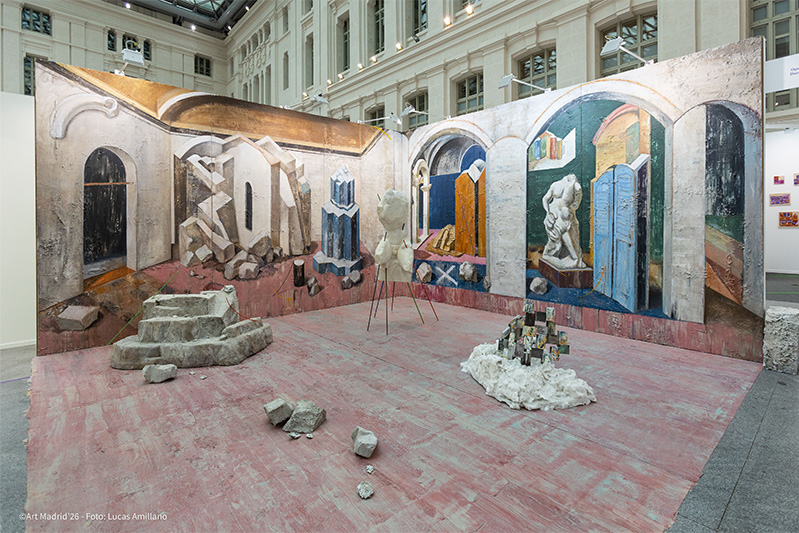
At Art Madrid, we promote collecting for individuals and companies who wish to invest in patronage. This initiative is directed at a broad spectrum of profiles, for those who wish to start or continue their collection. Art Madrid offers a wide variety of works in areas such as photography, painting, sculpture, or installation, within a broad price range.
Whether you are an experienced collector, a beginner buyer, a curious enthusiast looking for your first piece, or a company interested in reflecting its values through art, the One Shot Collectors program offers a complete experience. Don’t miss the opportunity to find a work that meets all your expectations.
The advisory service is part of the One Shot Collectors, Collecting Program at Art Madrid’25 and is completely free for those who register in advance.
If you would like personalized advice, request more information via email at vip@art-madrid.com or sign up using the following form:
ABOUT ONE SHOT HOTELS. SPONSOR OF ART MADRID
One Shot Hotels is a boutique hotel chain that focuses on design, creativity, and prime locations in cities such as Madrid, Barcelona, Valencia, Seville, San Sebastián, and Porto. Since its foundation in 2013, the brand has built a unique identity in which art, culture, and beauty are essential parts of the guest experience. Each of its hotels is designed to be much more than just accommodation: they are soulful spaces where aesthetics and artistic sensitivity are integrated into every detail.
In line with this commitment, One Shot Hotels returns as a sponsor of Art Madrid, reaffirming its support for artistic creation in all its forms. The chain sees art as a universal language that connects people and transforms spaces, and this philosophy is reflected in the design of its hotels, the selection of furniture, and the arrangement of its environments. Creativity and inspiration are experienced in every corner, offering guests an experience that goes beyond the conventional.
With an eye on the future, One Shot Hotels continues to grow and expand its presence in new destinations, while maintaining its commitment to art and culture. More than a decorative element, art is part of its essence and value proposition, creating spaces where each stay becomes an aesthetic and emotional experience.
ABOUT ANA SUÁREZ GISBERT. ART ADVISOR OF THE PROGRAM
Ana Suárez Gisbert holds a law degree from the Complutense University of Madrid, specializing in International Law and Foreign Trade of Art. She is an appraiser and judicial expert in art and antiques from Antonio de Nebrija University. She is a partner at the art appraisal firm Art Value Project.
She has carried out valuation work for important collections and insurance companies. For years, she has represented major international publications in the arts and design world, such as Frieze, Frieze Masters, and Gagosian, among others. Currently, she combines her work at the art appraisal firm with a project focused on art and sustainability for private companies and local governments.

Sponsor of ART MADRID'25