Art Madrid'26 – Masquelibros V Artist Book Fair


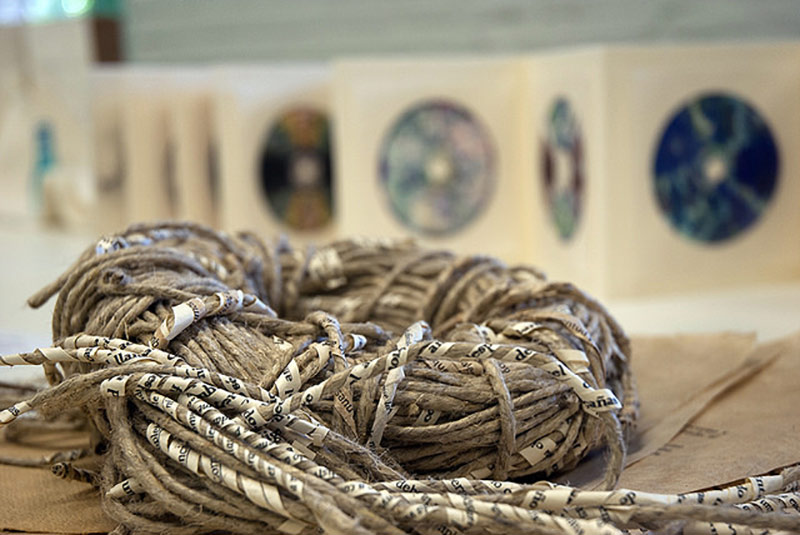
Is it an object? Is it a book? Is it a visual poem? Yes! and not! because it is all that and more, is the artist's book, a discipline strongly influenced by surrealism, collage-boxes, found objects of the Fluxus and conceptual art, and deeply rooted in the publishing world. The artist's book has become a hotspot in the landscape of contemporary creation and MASQUELIBROS has become the meeting point for artists, critics, fans and collectors of this genre.

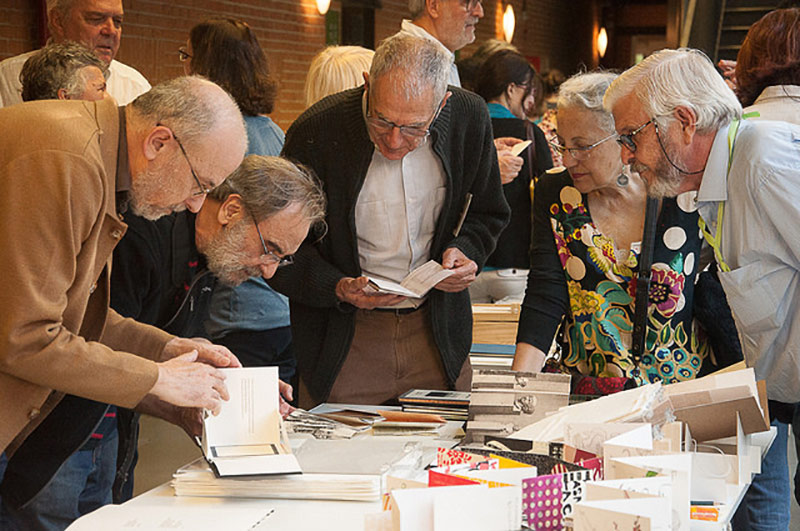


For Asela Perez Becerril, director of the gallery Espacio Valverde and member of the MASQUELIBROS jury: "An artist's book is an infinite within another infinite, I like the metaphor of the uncertainty involved in creating something within the created. I value the seed from which the idea and manufacturing develops because, do not forget, a book mainly must be touched and seen".


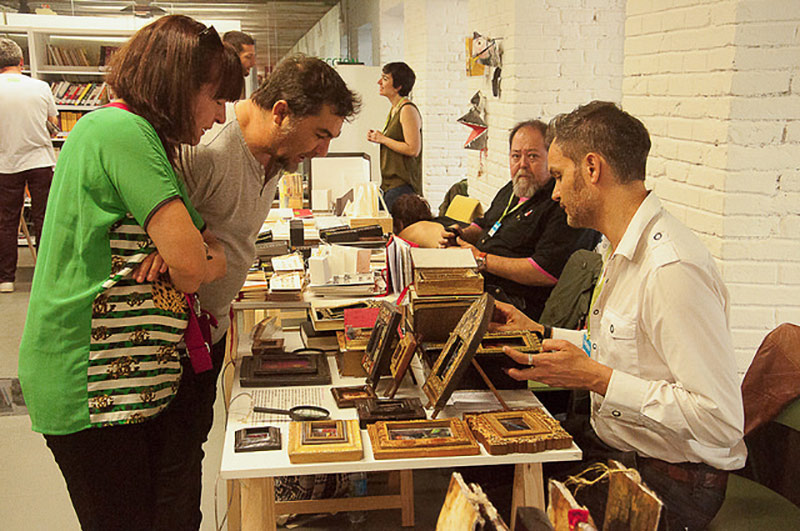
MASQUELIBROS celebrates its 5th edition from 20 to 22 May in public library Eugenio Trias, at El Retiro park, with about 80 exhibitors and a full agenda of activities to bring the artist's book to all public and demonstrate the contemporary richness and versatility of this discipline. This year they have chosen Ana Vazquez-Anamusma (¡yes! our educator in children's workshops #ArtMadrid!) as Emerging Artist. She will present a selection of his work and will present two new pieces: "I am text" and "sell, exchange, Seeking "a participatory piece that will be setting the days before the show via Twitter and RRSS.


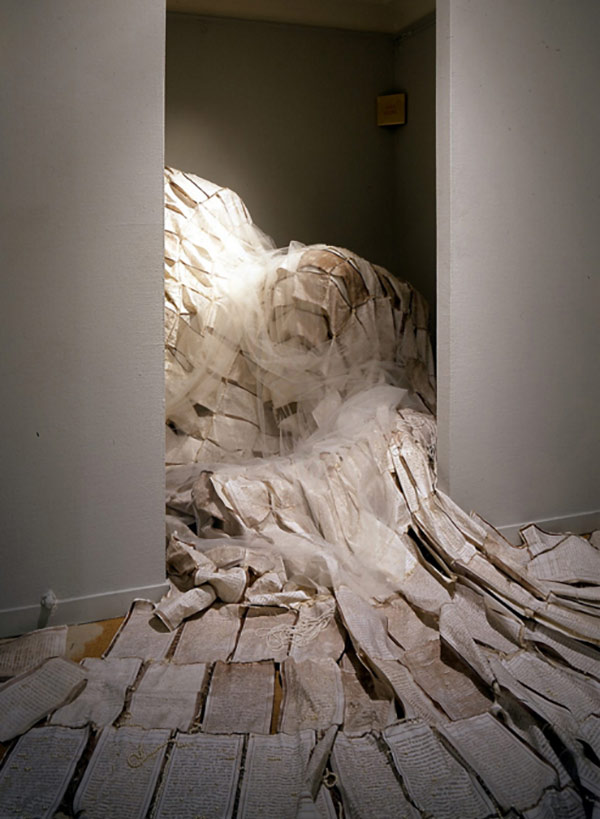
In addition, MASQUELIBROS shows the magnificent piece 'La Perfecta Casada', an installation of 19 meters long by Elena del Rivero (Valencia, 1952), currently one of the essential voices of national and international contemporary art and who has a particular relationship with the artist's book.


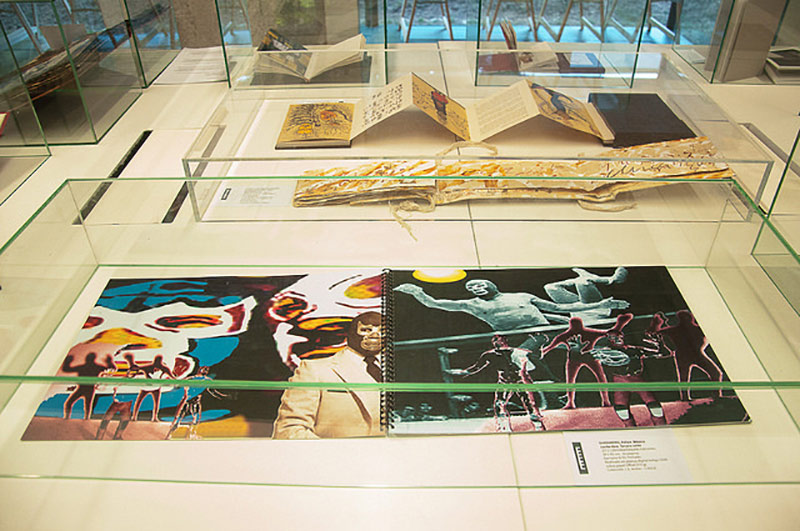
The fair is completed with a great program of parallel activities, conferences in collaboration with the Reina Sofia Museum, roundtables, workshops and master classes on editing and collage (thanks to the collaboration of miluca Sanz and the Madrid Association of Collage) and a selection of site-specific installations curated by Susana Blas, also part of the Biennial Miradas de Mujeres with a reinterpretation of feminism. Among the publishers present this year in MASQUELIBROS are NOCAPAPER, DUCKOUTMAGAZINE, CURATOR, BlankPaper, Libros del Zorro Rojo, Hilatina Editorial, Sopa Americana, Ed. Somrisas, Ediciones Deliciosas / Limited Edition ... but there will be also personal projects as Metafictions, by David Trullo .
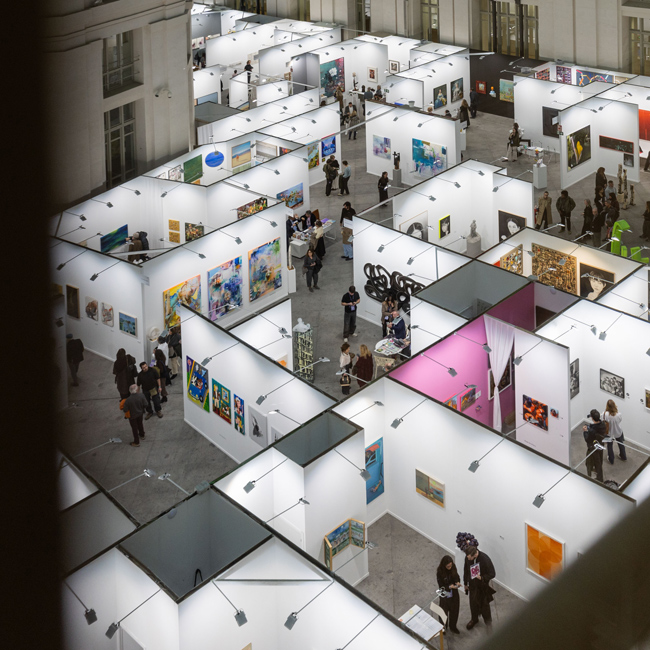
 

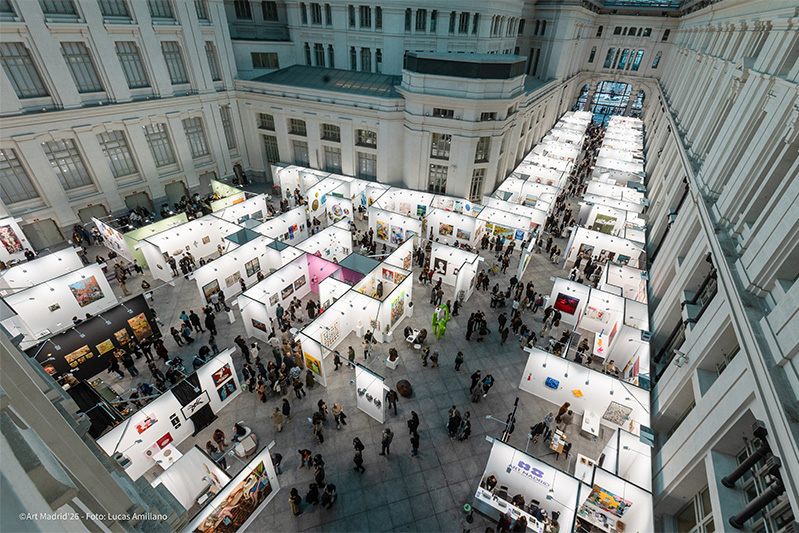
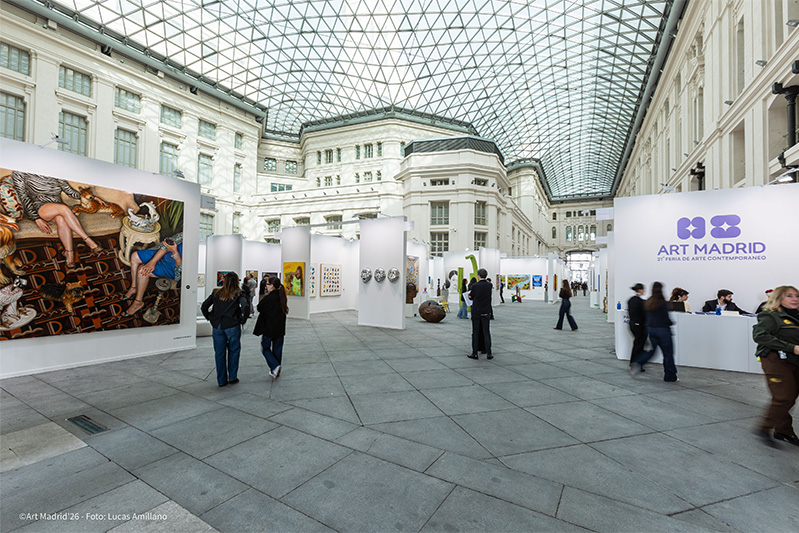
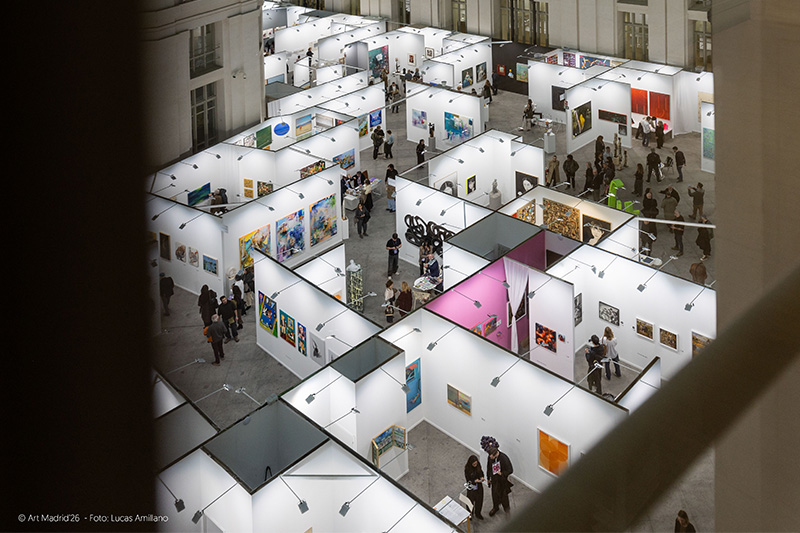
Contemporary art has ceased to be an exclusive territory reserved for elites and has become an increasingly democratic and accessible space. In the context of fairs such as Art Madrid, which in 2026 brings together more than 200 artists from five continents, a new generation of collectors is emerging—one that challenges the traditional codes of the art market. But how do you make the leap from admirer to collector? What do you need to know before acquiring your first artwork?

The image of the art collector has historically been associated with great fortunes, multimillion-euro auctions, and inaccessible masterpieces. However, this perception is changing radically. Today’s contemporary art market offers a wide range of proposals that suit virtually any budget, from works by emerging artists to limited editions by established creators. .


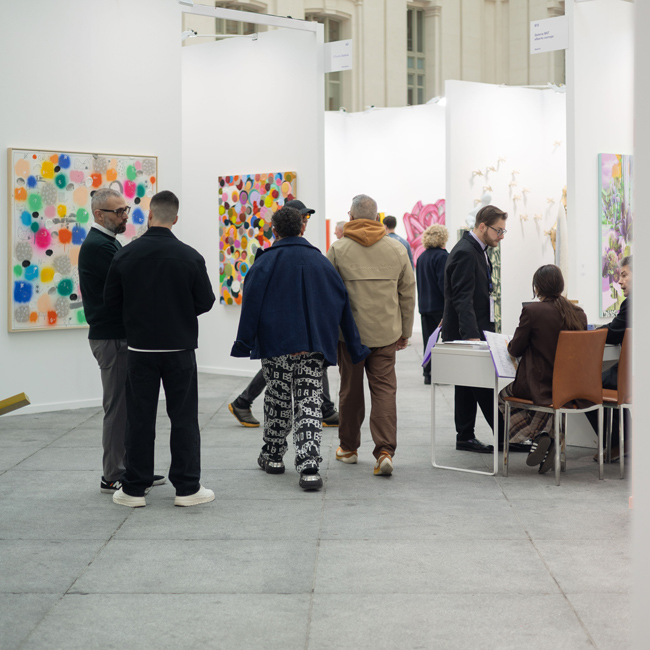
At Art Madrid, for example, galleries presenting young talents coexist with those representing artists with consolidated careers. This diversity allows first-time buyers to find meaningful works without needing unlimited capital. What matters is not how much you invest, but why you do it, and how that piece resonates with your life, your space, and your concerns.

Experience in the art world shows that a collection is not defined by the monetary value of the works it contains, but by the coherence and strength of the narrative they build together. Understanding this frees emerging collectors from the pressure to succeed according to investment logic and encourages them to rely on their own aesthetic judgment and the emotional connection they establish with the works.


HOW TO START A COLLECTION

Define Your Orientation: Passion vs. Investment

Before acquiring your first work, it is essential to ask yourself what you are looking for in collecting. There are two main approaches which, although they can coexist, lead down different paths:

Collecting driven by passion is guided by emotional connection, aesthetic pleasure, and the desire to live surrounded by works that speak to you. This approach is more intuitive and personal and, paradoxically, often proves to be more successful economically in the long term because it is rooted in genuine conviction.

Collecting as an investment requires more technical knowledge of the market, monitoring trends, understanding artists’ and galleries’ trajectories, and having a strategic vision. Although art has proven to be an interesting alternative investment—especially in times of economic uncertainty—it requires patience and a tolerance for risk.

Most successful collectors combine both dimensions: they buy what moves them, while also developing a critical eye to identify works with potential for appreciation. The key is not to be driven solely by market opportunism, because art that does not move you is unlikely to hold your interest when trends change.


EDUCATE YOURSELF BEFORE BUYING

Knowledge is your best tool. Before acquiring works, take time to:

Visit exhibitions regularly. Not only in commercial galleries, but also in museums, independent spaces, and art centers. This will help you develop your own aesthetic criteria and understand which proposals truly resonate with you.

Research artists. Read about their careers, influences, and creative processes. In the digital age, most artists are present on social media, where they share daily work, sketches, and reflections. This transparency makes it easier to connect more deeply with their practice.

Understand the market. Observe prices in different galleries, learn what factors influence valuation (artist’s career, technique, dimensions, limited edition versus unique piece), and become familiar with how galleries and fairs operate.

Talk to gallerists. Gallerists are essential allies. Their job is not only to sell, but to educate, connect, and build long-term relationships. A good gallerist will guide you toward works that match your interests and accompany you in the development of your collection.


EVALUATING A WORK: BEYOND “I LIKE IT”

When a work captures your attention, it is important to go beyond the initial emotional impression and ask yourself some key questions:

Coherence in the Artist’s Trajectory

Is this work part of a sustained line of research, or is it an isolated experiment? Artists with coherent proposals over time tend to have greater projection. Look for a logical evolution in their work, participation in relevant exhibitions, awards or grants, and representation by established galleries.

This does not mean you should reject the work of very young or highly experimental artists. On the contrary, some of the greatest successes in collecting come from early support of emerging talents. However, such a bet should be based on informed intuition, not mere novelty.

Technical and Conceptual Quality

Contemporary art has greatly expanded the boundaries of what we consider “technique,” incorporating everything from installation to digital art. Nevertheless, each discipline has its own standards of excellence. A painting should demonstrate mastery of color, composition, and material; a sculpture, an understanding of space and materials; a photograph, control of light and framing; a conceptual work, rigor in the development of the idea.

Beyond technique, ask yourself: What is this work saying? Does it offer an original perspective on something that interests me? Is there conceptual depth, or is it purely decorative? There are no absolute right answers, but asking these questions will help you make more conscious decisions.

Suitability for the Space

A practical but fundamental consideration: where will this work live? Art needs room to breathe, appropriate light, and a context that enhances it. A monumental work can feel overwhelming in a small apartment, while an intimate piece may get lost in a large space. Many galleries offer virtual visualization services or even temporary loans so you can experience the work in your space before committing.


Practical Aspects of Collecting

When you acquire a work, you should receive:

Certificate of authenticity: A document signed by the artist or gallery that certifies the authorship of the piece, its dimensions, technique, year of creation, and, in the case of editions, its number within the edition.

Invoice: Legally required and essential for proving ownership and purchase value, particularly relevant for insurance and potential resale.

Conservation information: Each technique and material requires specific care. Ask how the work should be preserved (light, humidity, temperature conditions) and whether it needs periodic maintenance.

Insurance and Protection: Even if your collection is just beginning, it is advisable to take out specific insurance for artworks. Most home insurance policies do not adequately cover this type of asset. There are specialized policies that protect against theft, accidental damage, fire, and other risks, with reasonable premiums for modest collections.

In addition to insurance, consider basic conservation measures: avoid hanging works in areas with excessive humidity, direct sunlight, or sudden temperature changes. For works on paper (photographs, prints, drawings), framing with UV-protective glass and acid-free matting is essential.


Legal and Tax Advice

In Spain, artworks have a specific tax treatment. The applicable VAT rate is 21%, although there are exemptions in certain cases. If your collection grows and you eventually decide to sell pieces, you will need to consider the tax implications of capital gains. For larger collections, it can be useful to consult advisors specialized in artistic heritage, who can guide you on tax benefits (donations to museums, long-term loans), inheritance planning, and asset protection structures.


Building Relationships Within the Art Ecosystem

Collecting is not a solitary activity, but a deeply social one. Some tips for integrating into the community:

Attend openings and events. Exhibition openings are opportunities to meet artists, other collectors, critics, and curators. Don’t be afraid to ask questions or express genuine interest.

Join collectors’ associations. Many cities have organized groups that arrange studio visits, talks with experts, and trips to international fairs. These spaces facilitate learning and networking.

Be loyal to your galleries. If a gallery has advised you well and you feel comfortable with its program, maintain the relationship long-term. Gallerists tend to reserve the best pieces or opportunities for their regular collectors.


Value Beyond Price

Finally, it is important to remember that the true value of collecting goes beyond economics. Living with art transforms everyday spaces into places of reflection and beauty. A work on your wall is a daily reminder of an emotion, an idea, a vision of the world that once moved you enough to want to live with it.

Collecting is also a way of actively participating in the cultural ecosystem. When you buy the work of an emerging artist, you help them continue creating. When you support an independent gallery, you help sustain spaces of experimentation. When you lend your works for an exhibition or eventually donate them to a public institution, you contribute to the collective heritage


At fairs like Art Madrid, where proposals from different generations, geographies, and artistic languages coexist, you have the opportunity to explore, compare, and discover. There is no rush. Collecting is a long-term journey in which each acquisition is a chapter in a personal story you are building. The key is to begin with curiosity, humility, and the certainty that art, more than a luxury, is a necessity that profoundly enriches life.