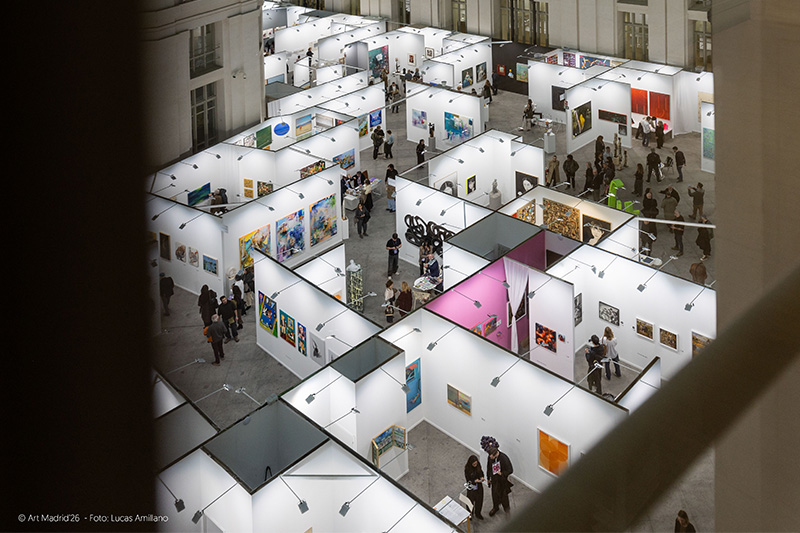
Art Madrid'26 – ART MADRID’25: A CALL FOR ACTION

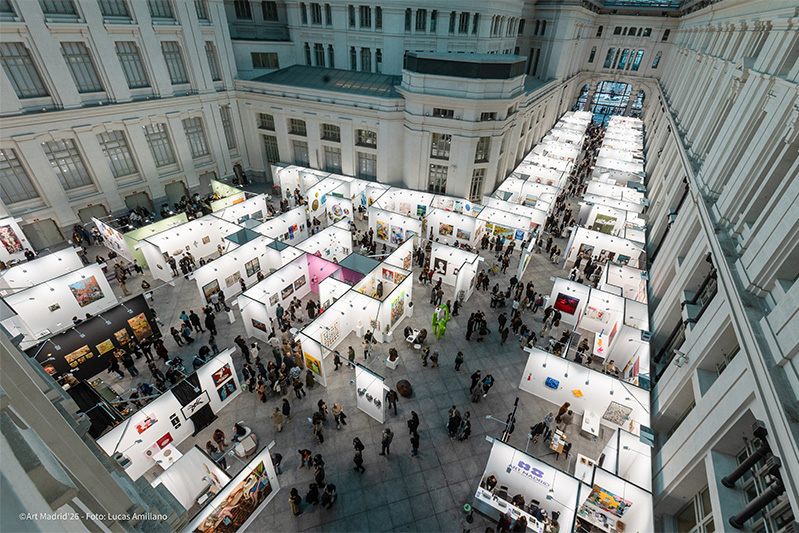
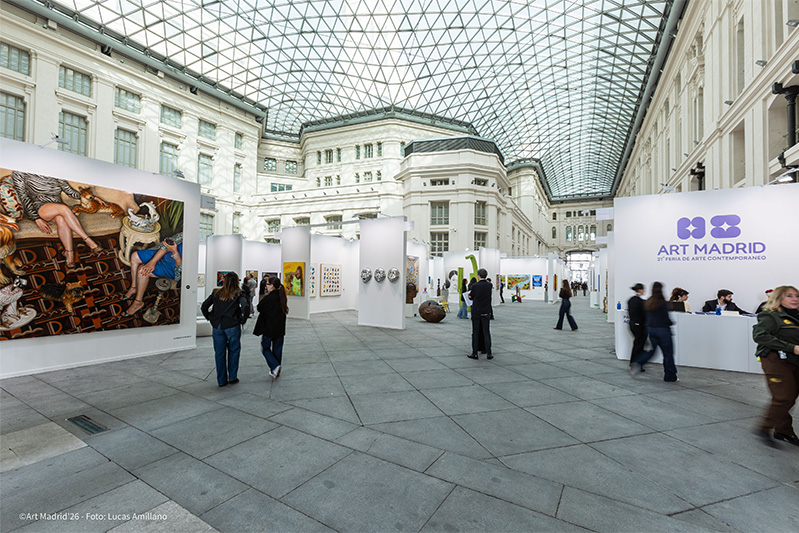
There are places where art breathes differently, where every piece finds the space to whisper into the viewer's ear. Art Madrid has become, edition after edition, a highly anticipated event for contemporary art—an encounter where innovation intertwines with human connection. In 2025, we celebrate our 20th edition, adhering to the guiding principles that have always defined Art Madrid: an approach that remains close to the public and attuned to the realities of the art world, conscious of future challenges and the positive impact of events like this, which often bring fresh air and break the insularity that tends to permeate the sector.
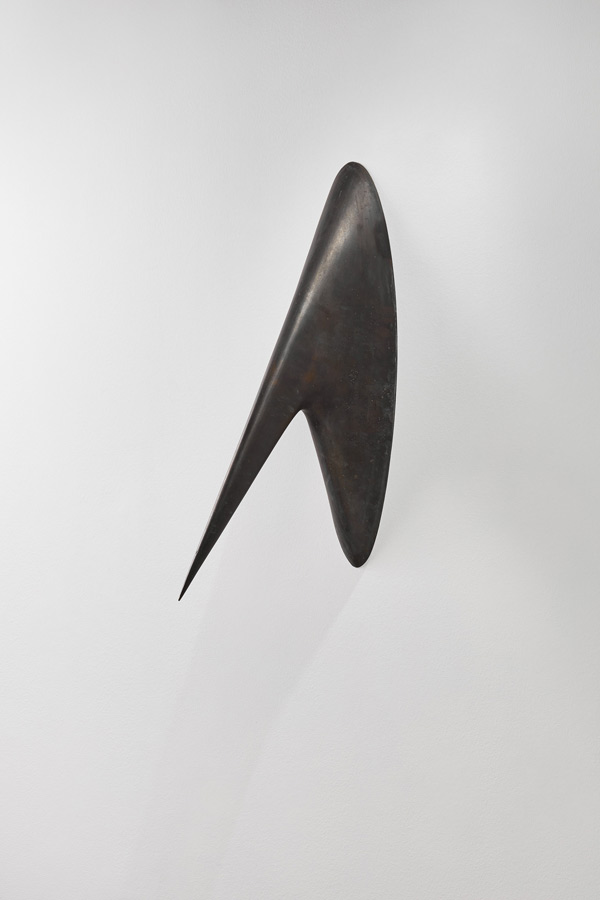

Milija Cpajak Thorn. Bronze sculpture. 2021.


It is often thought that the success of an art fair is measured in square meters. In truth, its true value lies in the audience's motivation to return year after year and to recommend it to others. In our case, being a "small" fair is a statement of principles. Here, there is no rush, no crowds to stifle conversation.

At Art Madrid, galleries, artists, and collectors have time to meet, to unravel the stories behind the artworks. It is a place where the intimacy of dialogue takes precedence over the grandiosity of numbers. Over these twenty years, we have seen galleries grow that began this adventure with us, sharing and shaping their journeys in the same spirit of closeness and authenticity. At the same time, each edition is enriched by the incorporation of new projects and visions that inject fresh air and broaden our artistic horizons.
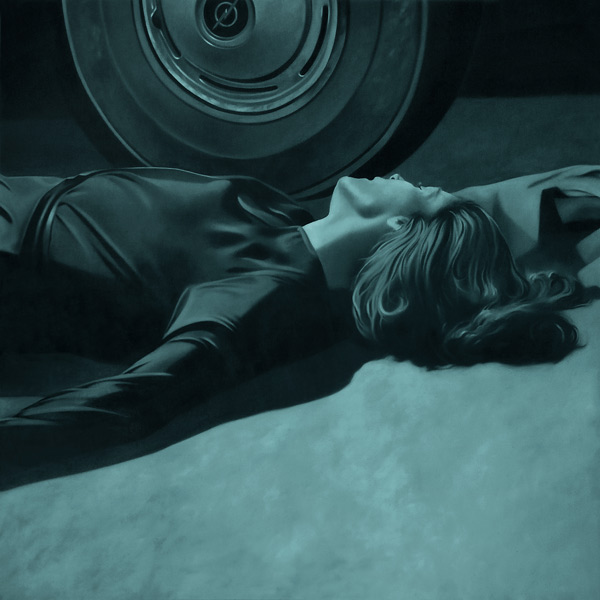

Veljko Vuckovic. Suspended State. Oil on canvas. 2024.


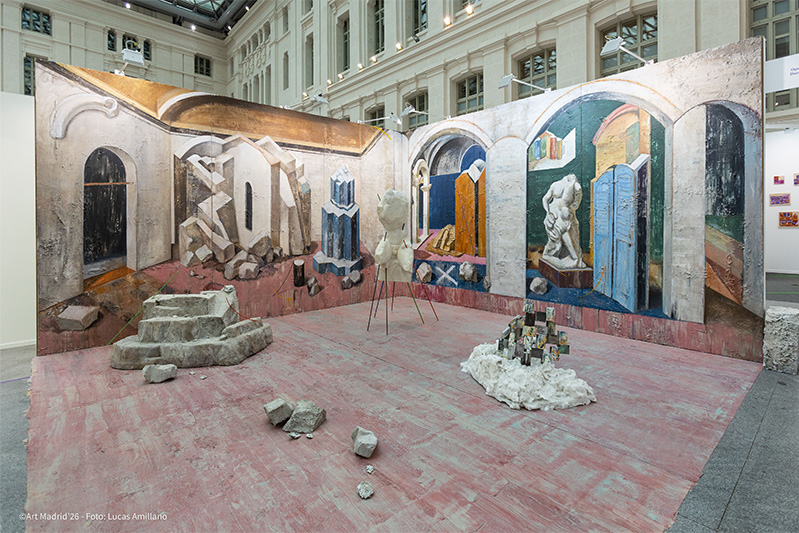
The year 2025 brings us a selection of artists who are shaping the future of art. Guided by the thirty-four galleries participating in this edition of Art Madrid, we will discover artists whose passion for visual expression redefines the boundaries between abstraction and figuration; bold proposals that explore texture, color, and the symbolism of “other” visual narratives; and new voices and perspectives that confront the challenges of creation in a globalized world. This wealth of perspectives invites visitors to witness a constant dialogue between contemporary creation and the tensions that permeate it.

A clear example of how contemporary artists are weaving threads between the past and the present, thereby reshaping our understanding of art as a dynamic practice in continuous dialogue with history. In this context, artists challenge the conventions of visual language and invite us to rethink the meanings, textures, and symbols that saturate our perceptions.

The fair has remained true to its identity as a close, human-centered event—modest in scale but significant in impact—allowing it to offer a unique and personalized experience to everyone involved. The questions we pose are clear: How is contemporary art understood in the 21st century? How can a fair be not just a marketplace, but also a space for debate, critique, and discovery? And, above all, what does it mean to celebrate twenty years of contemporary art in a world transforming at breathtaking speed?
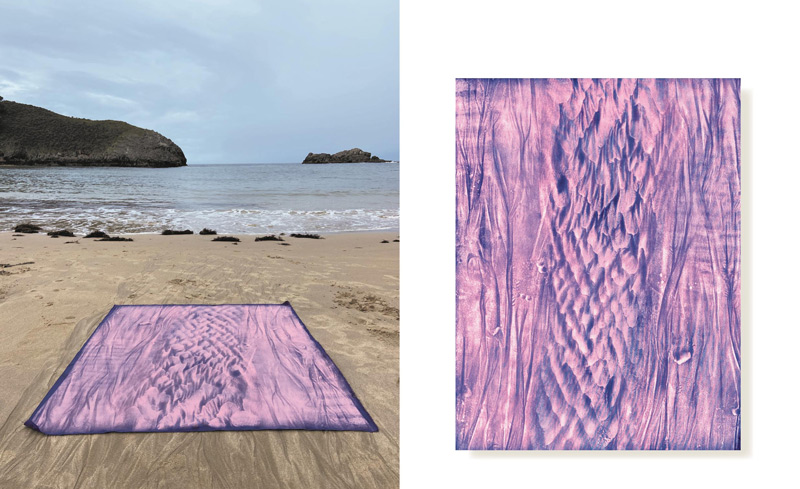

Iyán Castaño. Corrientes circulares. Mixed Media. 2024.


In 2025, Art Madrid emerges as a call to action: an invitation to pause and reflect on the role that art plays in our lives and society. Rather than offering a quick response to market dynamics, the fair creates a moment of reflection, a space where artworks can engage in deeper, more meaningful dialogue with the viewer. This approach is not only necessary but becomes an act of resistance against the immediacy and superficiality that often characterize the consumption of art in the digital age.

In an era where the acceleration of the market and consumer-driven trends shape the creation and exhibition of art, Art Madrid remains faithful to a model that values thoughtful reflection, personal encounters, and profound dialogue. This critique of speed is particularly relevant in a historical moment where digital platforms, algorithms, and globalization are redefining our interactions with culture.
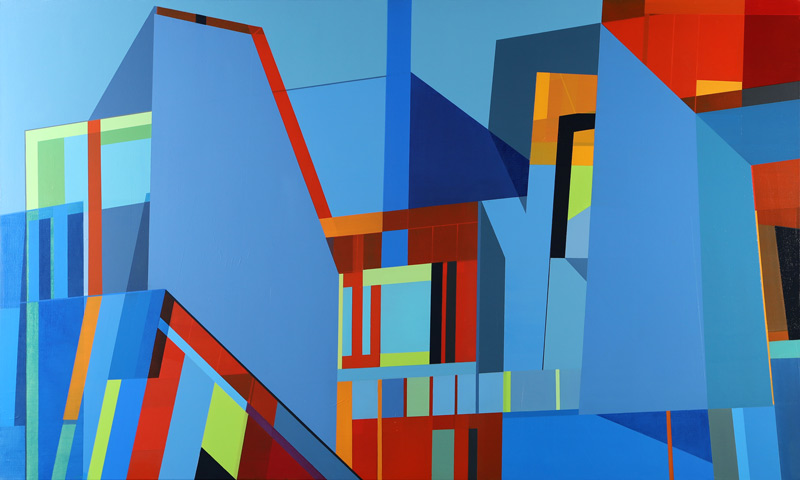

Joana Gancho. ST. Oil on table. 2024.


In this edition, we tackle the challenge of balancing the need for relevance in a globalized market with the preservation of authenticity and creativity. In this effort, we have successfully struck a balance where the quality of the artistic offering is prioritized over the mass scale of events. This principle is essential to understanding how the fair has, over two decades, evolved into an international showcase while remaining true to its local essence and its strong connection to Madrid’s artistic community.

The inclusion of disciplines such as painting, sculpture, photography, and video art reflects the plurality of approaches that define Art Madrid. This diversity of artistic expressions offers the public a broad and multifaceted perspective on today’s contemporary art landscape, demonstrating art’s power to transform perceptions of urban spaces, integrating technology into the creative process, and reshaping the relationship between the viewer, the artwork, and the context that embraces it.
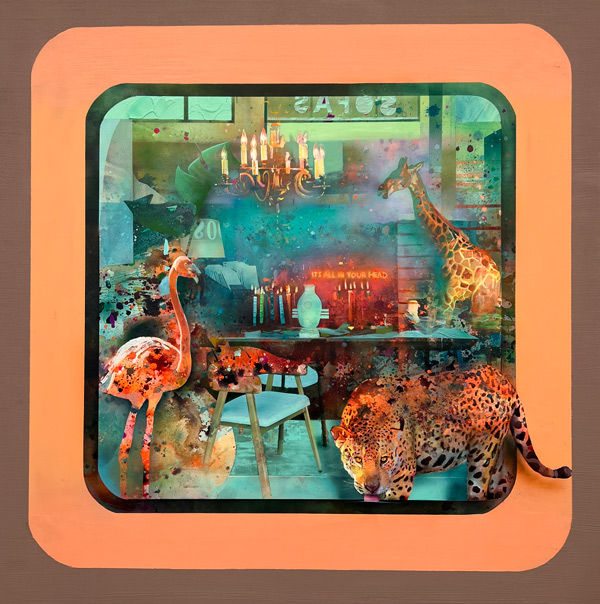
Richard García. Me peleo con las bestias de mi propia fantasía. Mixed Media. 2024.

Art Madrid returns this year, celebrating twenty years of contemporary art and reaffirming its commitment to remain an open space for galleries and artists striving to stand out in an increasingly fragmented and image-saturated world. With this in mind, we aim to ensure that the galleries' exhibitions resonate with the public, enhancing the experience by proposing new ways of engaging with contemporary art and tackling complex issues such as climate change, identity, collective memory, and global politics. In 2025, the works on display at Art Madrid will undoubtedly reflect the most pressing concerns and questions of our time.
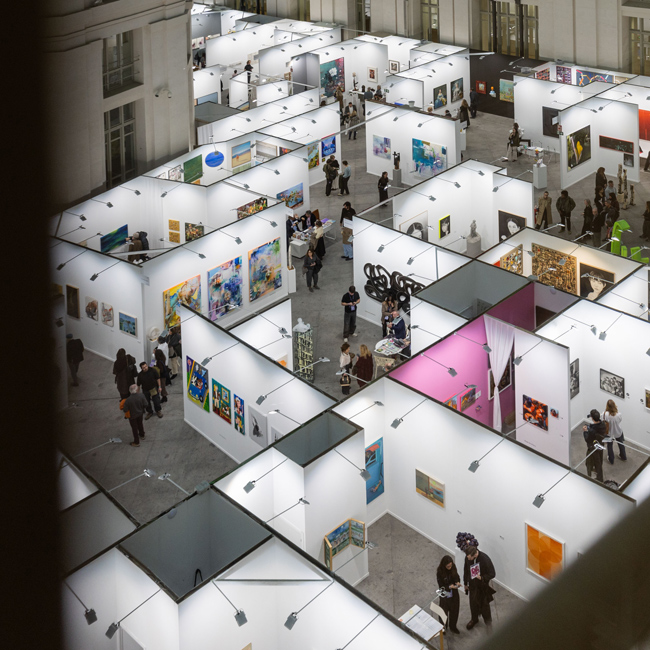
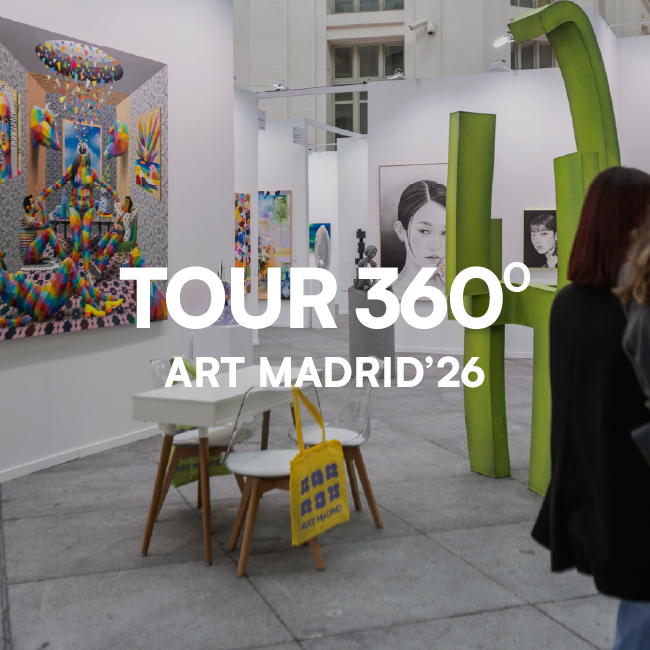
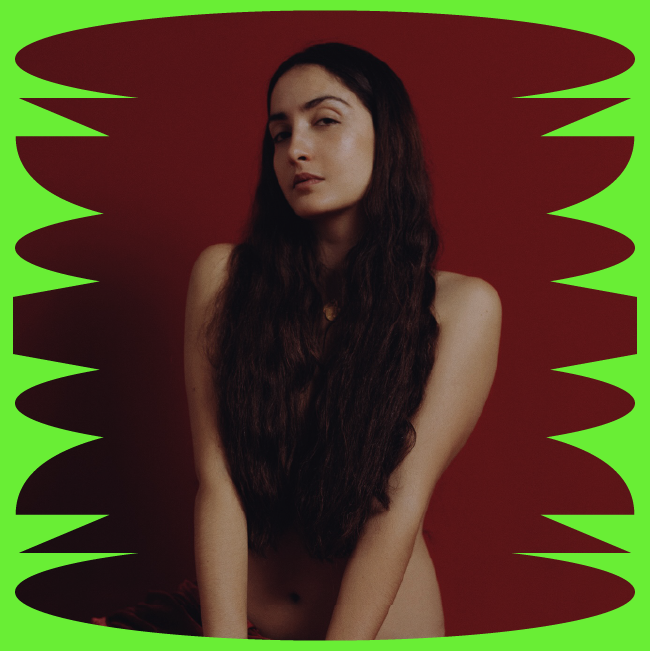
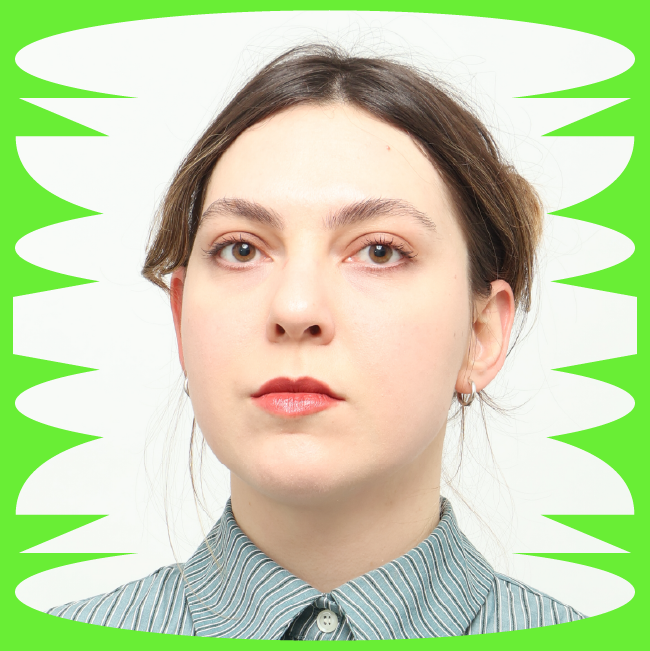
ART MADRID’26 INTERVIEW PROGRAM. CONVERSATIONS WITH ADONAY BERMÚDEZ


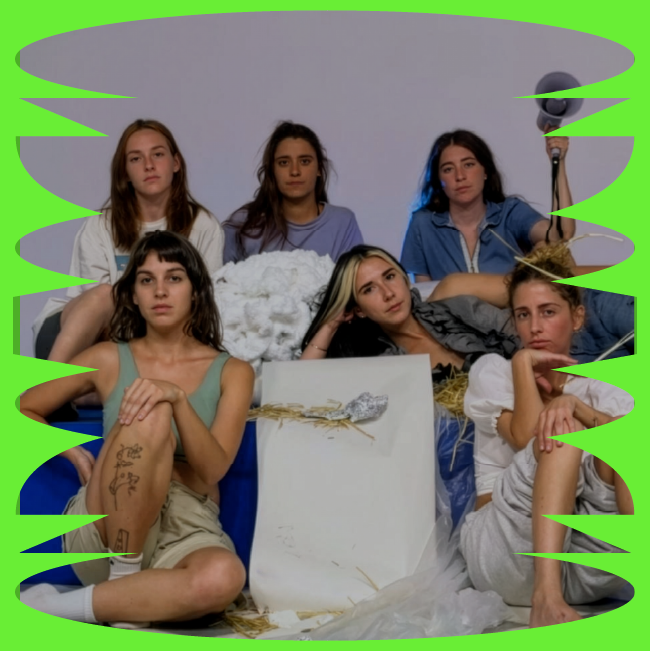
The practice of the collective DIMASLA (Diana + Álvaro) is situated at a fertile intersection between contemporary art, ecological thinking, and a philosophy of experience that shifts the emphasis from production to attention. Faced with the visual and material acceleration of the present, their work does not propose a head-on opposition, but rather a sensitive reconciliation with time, understood as lived duration rather than as a measure. The work thus emerges as an exercise in slowing down, a pedagogy of perception where contemplating and listening become modes of knowledge.

In the work of DIMASLA (Diana + Álvaro), the territory does not function as a framework but rather as an agent. The landscape actively participates in the process, establishing a dialogical relationship reminiscent of certain eco-critical currents, in which subjectivity is decentralized and recognized as part of a broader framework. This openness implies an ethic of exposure, which is defined as the act of exposing oneself to the climate, the elements, and the unpredictable, and this means accepting vulnerability as an epistemological condition.

The materials—fabrics, pigments, and footprints—serve as surfaces for temporary inscriptions and memories, bearing the marks of time. The initial planning is conceived as an open hypothesis, allowing chance and error to act as productive forces. In this way, the artistic practice of DIMASLA (Diana + Álvaro) articulates a poetics of care and being-with, where creating is, above all, a profound way of feeling and understanding nature.


In a historical moment marked by speed and the overproduction of images, your work seems to champion slowness and listening as forms of resistance. Could it be said that your practice proposes a way of relearning time through aesthetic experience?

Diana: Yes, but more than resistance or vindication, I would speak of reconciliation—of love. It may appear slow, but it is deliberation; it is reflection. Filling time with contemplation or listening is a way of feeling. Aesthetic experience leads us along a path of reflection on what lies outside us and what lies within.


The territory does not appear in your work as a backdrop or a setting, but as an interlocutor. How do you negotiate that conversation between the artist’s will and the voice of the place, when the landscape itself participates in the creative process?

Álvaro: For us, the landscape is like a life partner or a close friend, and naturally this intimate relationship extends into our practice. We go to visit it, to be with it, to co-create together. We engage in a dialogue that goes beyond aesthetics—conversations filled with action, contemplation, understanding, and respect.

Ultimately, in a way, the landscape expresses itself through the material. We respect all the questions it poses, while at the same time valuing what unsettles us, what shapes us, and what stimulates us within this relationship.


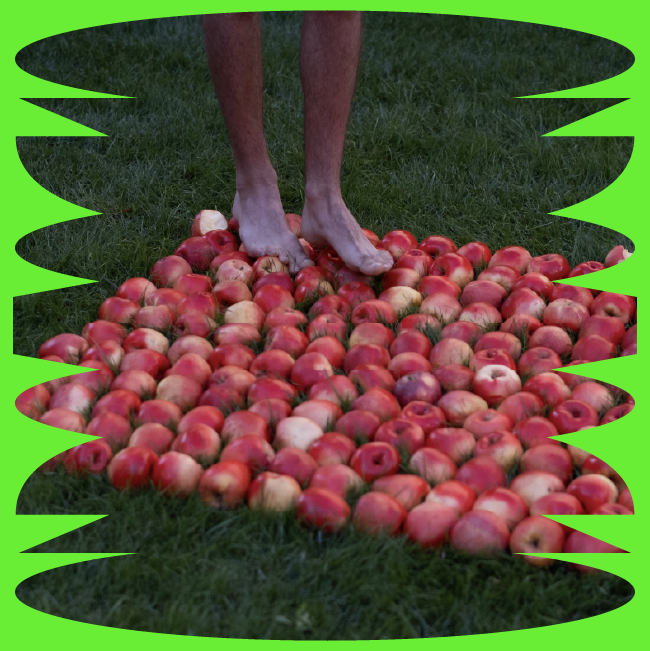
The Conquest of the Rabbits I & II. 2021. Process.


In your approach, one senses an ethic of exposure: exposing oneself to the environment, to the weather, to others, to the unpredictable. To what extent is this vulnerability also a form of knowledge?

Diana: For us, this vulnerability teaches us a great deal—above all, humility. When we are out there and feel the cold, the rain, or the sun, we become aware of how small and insignificant we are in comparison to the grandeur and power of nature.

So yes, we understand vulnerability as a profound source of knowledge—one that helps us, among many other things, to let go of our ego and to understand that we are only a small part of a far more complex web.


Sometimes mountains cry too. 2021. Limestone rockfall, sun, rain, wind, pine resin on acrylic on natural cotton canvas, exposed on a blanket of esparto grass and limestone for two months.. 195 cm x 130 cm x 3 cm.


Your works often emerge from prolonged processes of exposure to the environment. Could it be said that the material—the fabrics, the pigments, the traces of the environment—acts as a memory that time writes on you as much as you write on it?

Álvaro: This is a topic for a long conversation, sitting on a rock—it would be very stimulating. But if experiences shape people’s inner lives and define who we are in the present moment, then I would say yes, especially in that sense.

Leaving our comfort zone has led us to learn from the perseverance of plants and the geological calm of mountains. Through this process, we have reconciled ourselves with time, with the environment, with nature, with ourselves, and even with our own practice. Just as fabrics hold the memory of a place, we have relearned how to pay attention and how to understand. Ultimately, it is a way of deepening our capacity to feel.


The fox and his tricks. 2022. Detail.


To what extent do you plan your work, and how much space do you leave for the unexpected—or even for mistakes?

Diana: Our planning is limited to an initial hypothesis. We choose the materials, colours, places, and sometimes even the specific location, but we leave as much room as possible for the unexpected to occur. In the end, that is what it is really about: allowing nature to speak and life to unfold. For us, both the unexpected and mistakes are part of the world’s complexity, and within that complexity we find a form of natural beauty.