ART MADRID'23 COMES OF AGE WITH NOVELTIES IN ITS PROGRAMMING
Dec 1, 2022
art madrid
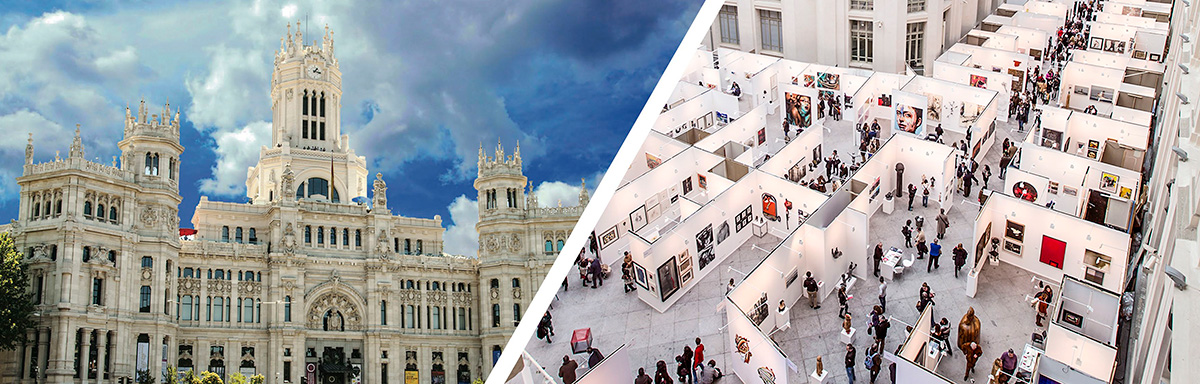
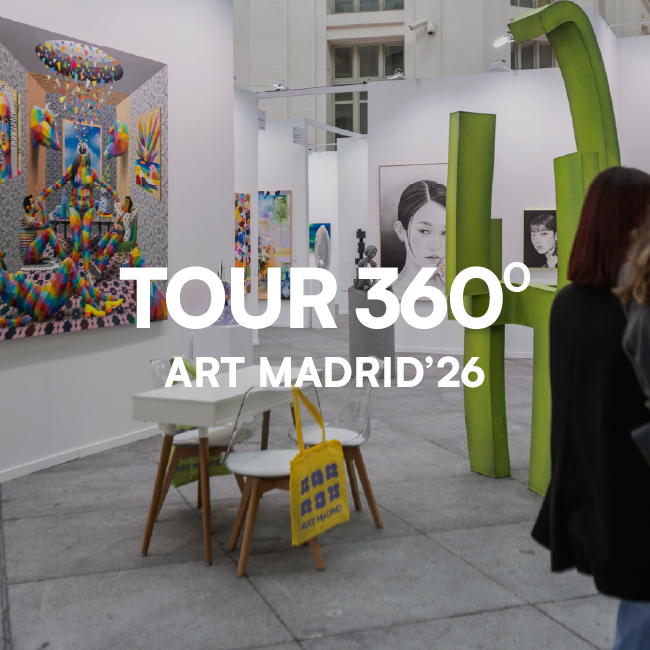
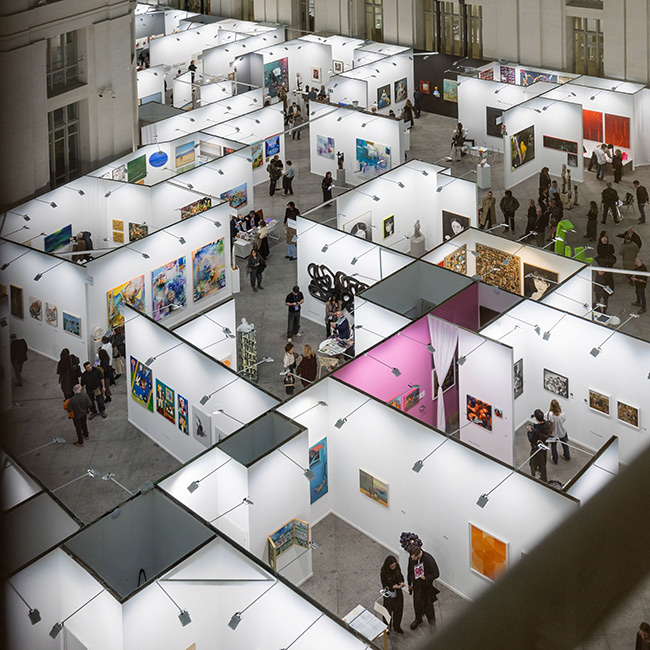
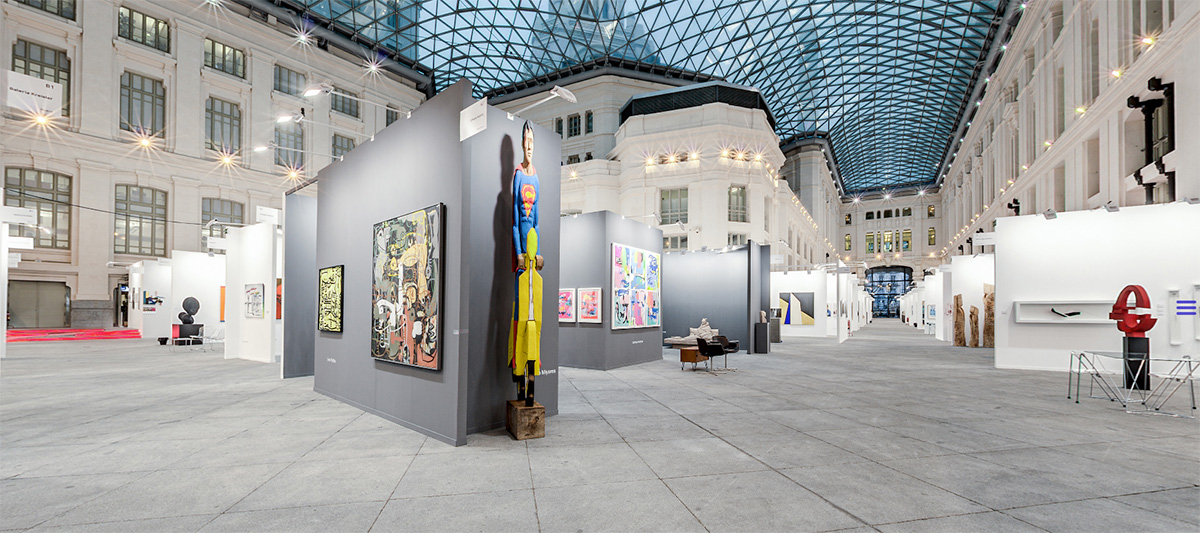
Art Madrid will celebrate its 18th edition from February 22nd to 26th of 2023 at Palacio de Cibeles' Galería de Cristal, a privileged space in which every year the public can appreciate the most current Spanish and international contemporary art. To celebrate this new meeting, Art Madrid returns to the art week scene with the firm intention of maintaining its work as a reference event within the cultural sector committed to becoming a vehicle for approaching new audiences.
Around 35 national and international galleries, carefully selected by Art Madrid's advisory committee, will make up the General Program. The proposals, marked by experimentation and the plurality of aesthetic discourses, turned the Palacio de Cristal into a window open to all artistic disciplines: painting, sculpture, graphic work, photography, video, installation, performance, digital art... Most of these artworks have been made exclusively for the occasion by the more than 160 artists who will meet on this stage in 2023.
Art Madrid turns eighteen, and coming of age becomes a motivation to take a forceful step toward the future. A time in which the fair wants to continue assisting the call of contemporary art. To achieve this goal, the usual programs have translated into platforms that, from within the event, would give voice to emerging creations, open up to new codes of reception and consumption of works of art and propose closer communication strategies to build the image of the outstanding artists of the edition.
The Curated Program returns for the third time led by curator Natalia Alonso Arduengo. The initiative proposes a thematic journey through pieces that dialogue with problems related to the concept of identity and how the contemporary subject sees himself. But, without a doubt, the highlight will be the presentations of three young artists that Art Madrid has selected to support and add value to the artistic and commercial circuit that the fair has cultivated over the years. At the present time, in which the uses of technologies, use of gender, alienation and uncertainty are part of our daily lives, this initiative is proposed as an institutional support for the development of artists who are beginning their professional careers. The program will be formally articulated with a site-specific installation and two performances that will take place during the fair celebration.
The Interviews Program returns to Art Madrid in its second edition. This time it is structured as a section curated by curator and art critic Alfonso de la Torre. These interviews will revolve around a common theme in which the figure of the artist and their practices in the art market will be the subject. That is how the curator proposes a journey through the works of the chosen artists in which he discovers, in greater depth, the visual universe of the ten most outstanding creators of Art Madrid'23. Starting in January, we will enjoy two weekly written interviews on the web and on the rest of the fair's communication channels, where we will see the results in video formats.
One Shot collectors Program returns to the fair with the commitment to continue building bridges to bring the public closer to contemporary art and the promotion of collecting at a national and international level. This initiative aims at professionals in the sector and lovers of contemporary art who are considering to start collecting. Led by Ana Suárez Gisbert, art advisor and appraiser, Art Madrid offers a free advisory service on the acquisition of works of art for the interested public.
During these eighteen years, Art Madrid has distinguished itself for its constant and responsible work with various agents of the national cultural network, the honesty and transparency with its loyal galleries, and the support for new gallery models. Aware of the importance of an event of this nature, Art Madrid proposes a plural edition, adapted to the new artistic languages and committed to society, all practices in which the creative spirit of its organization is recognized.
List of confirmed galleries for Art Madrid'23
Nationals: BAT Alberto Cornejo (Madrid), Flecha (Madrid), Arma Gallery (Madrid), DDR (Madrid), Marita Segovia (Madrid), Galería Hispánica (Madrid/CDMX), 3 Punts (Barcelona), Inéditad (Barcelona), N2 Galería (Barcelona), Out of Africa Gallery (Sitges/London), Uxval Gochez (Barcelona), Aurora Vigil-Escalera (Gijón), Arancha Osoro (Oviedo), Bea Villamarín (Gijón); Alba Cabrera (Valencia), Shiras Galería (Valencia), Dr. Robot (Valencia), Luisa Pita (Santiago de Compostela), Galería Metro (Santiago de Compostela), MoretArt (A Coruña), Rodrigo Juarranz (Aranda de Duero, Burgos), Espiral (Noja, Cantabria), Kur Art Gallery (San Sebastián, Vasc Country), La Aurora (Murcia), MA Arte Contemporáneo (Mallorca) y Manuel Ojeda (Canary Islands).
Internationals: Galerie LJ (Paris), Galleria Stefano Forni (Bologna), Michael Schmalfuss (Berlin), Yiri Arts (Taiwan), Sâo Mamede (Lisbon), Trema arte contemporânea (Lisbon), ArtLounge (Lisbon), Nuno Sacramento (Ílhavo, Portugal) y Collage Habana (La Habana).