Art Madrid'26 – CURIOSITY + X-RAYS + ART: THE PERFECT COMBINATION

At a time when visual arts seem to have exhausted much of the traditional resources, artists dare with new techniques and methods to enter an unknown soil where everything is possible. Thus, there is room for surprise, innovation and exploration, in a novel and, at times, risky forms of expression.

One of these examples is the resource to X-rays to capture images. The use of radiographs in art is not entirely new, although its applications have been mostly for study purposes, to discover the invisible layers of paintings, analyse pieces in authentication processes or look for hidden brush-strokes of the great masters, with the will to better understand their creative process. The use of this technique for genuine artworks, however, is quite recent, but its appeal is such that some artists have specialised in imitating the aspect of an X-ray in their proposals, as so the Londoner Shock-1 does.
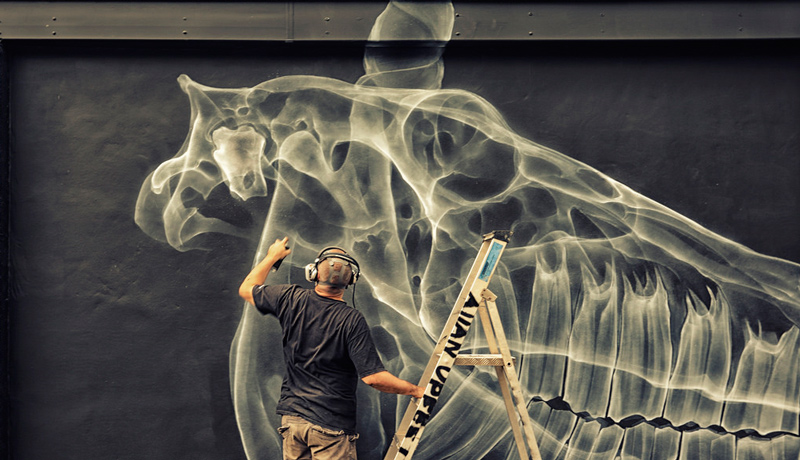
Beyond the curiosity of analysing objects from their deepest layers, the truth is that its visual impact allows getting unexpected results, with an undeniable artistic potential. This is the path that some creators have followed, in which some have ended only by chance or derived from a professional speciality that is in direct contact with this technique. For this reason, many authors of radiographic art are scientists or doctors who have known to see in their daily images a different creative application. We share some of their proposals with you.
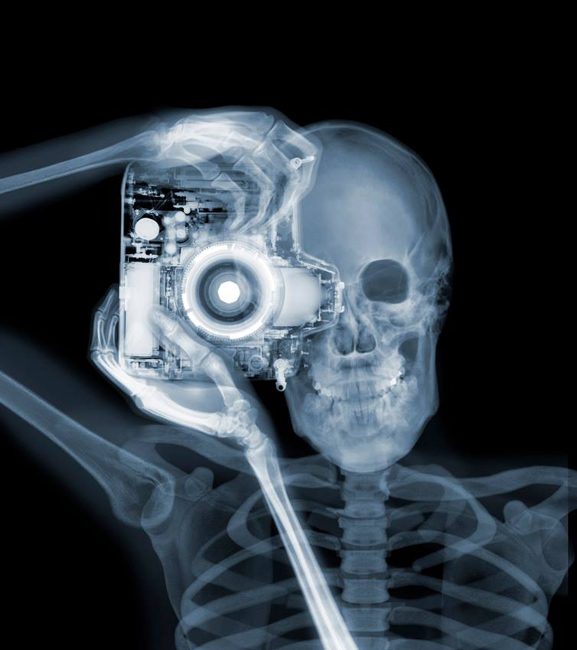
Photographer Nick Veasey explores a more human and active side in his proposals. The use of X-rays for this author has a more analytical and less compositional aim. As he himself explains, his work tries to transcend what’s visible in a world dominated by the image. This way, all the connotations that we associate with an ideal appearance of wealth, power or status dissipate. He aspires to look for what is beyond, in the essence of what makes us equal, while revealing hidden details about structure, form or movement. His photographs are fascinating and captivating.
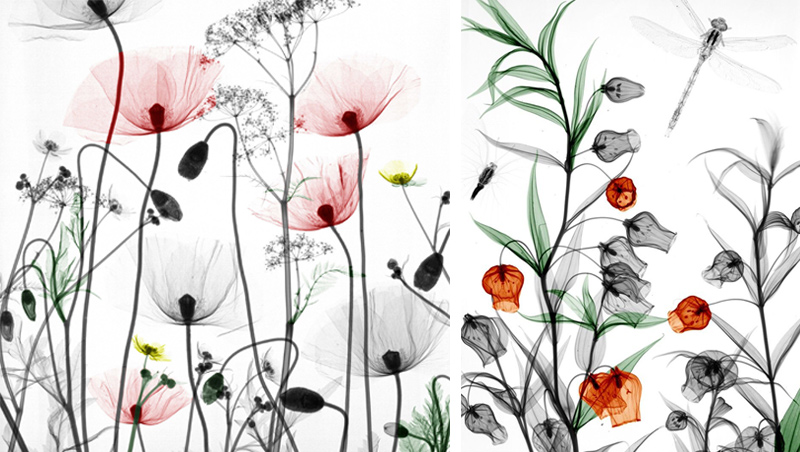
Arie Van’t Riet, L: “Art, flowers” - R: “Sandersonia Dragonfly Butterfly”

Arie Van't Riet is a medical physicist who ended up making art through X-rays. In his interior studio, provided with three X-ray machines, he composes his floral still lifes, in which the elegant delicacy of the petals, the transparency of the leaves or the fragile structure of the butterfly wings are always visible. The of Van't Riet combines this work with a digital colouring task, to give rise to these images full of harmony and balance.
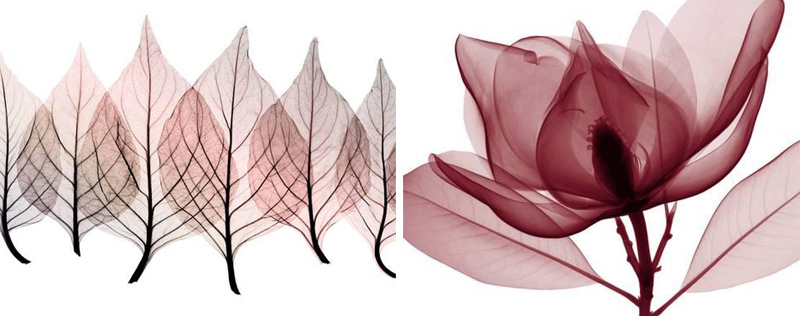
Steven N. Meyers, L: “Celosias” - R: “Red Magnolia”

Steven N. Meyers moves in a similar way, although this author dismisses digital colouring in his compositions. In that sense, his work is more naturalistic and offers results closer to traditional screen printing or lithography. But what he also shares is the search for balance in the image. His choices are never left to chance. There is a serene elegance based on the structure, the staging of the elements and the purity of the light. Therefore, the whole of his work manages to convey a great hidden beauty.
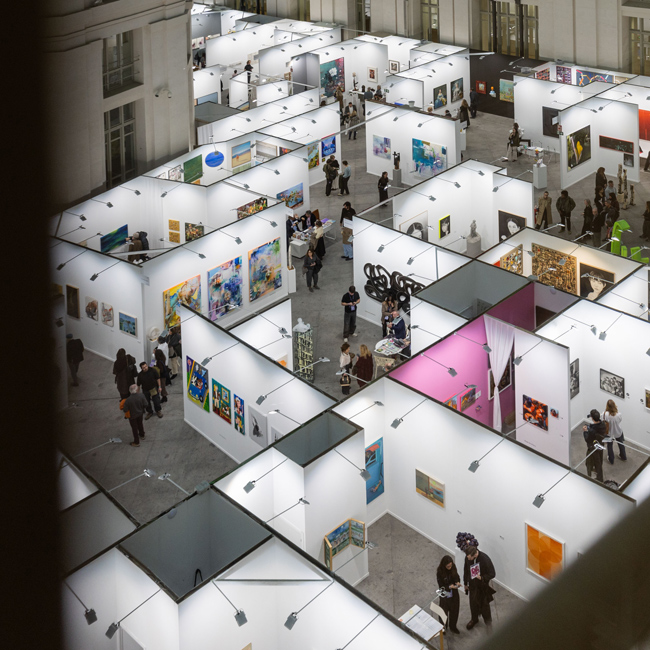
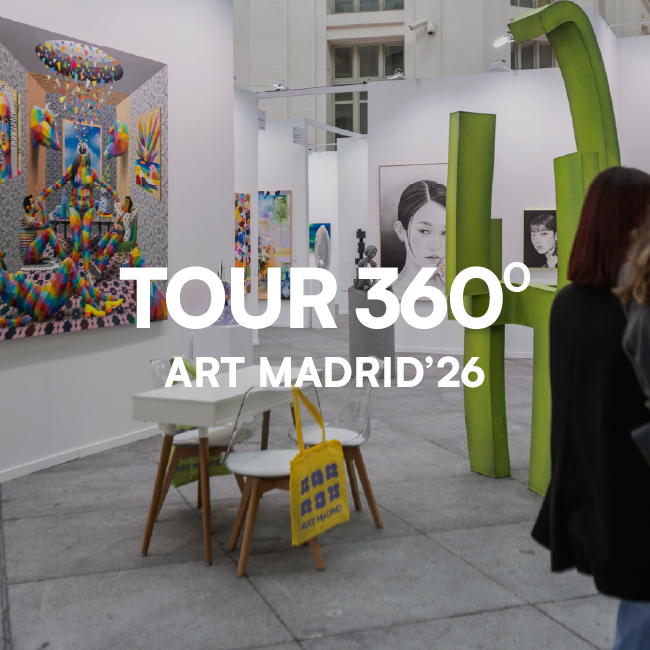


ART MADRID’26 INTERVIEW PROGRAM. CONVERSATIONS WITH ADONAY BERMÚDEZ


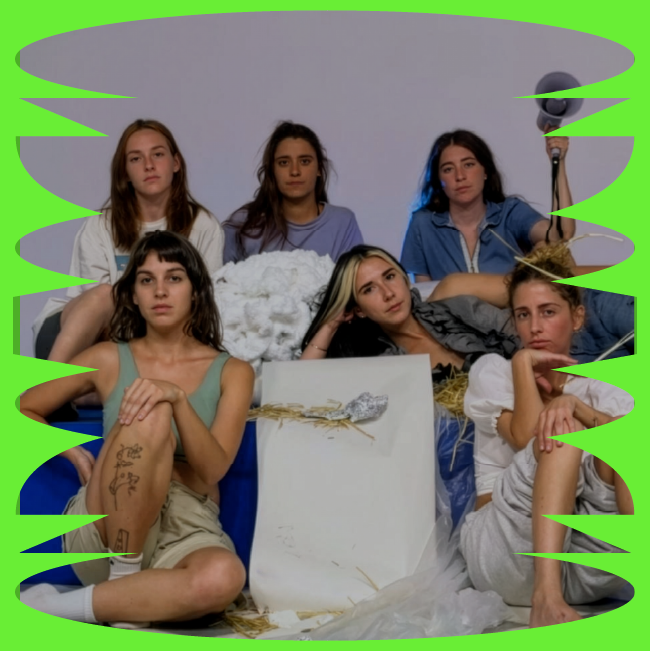
The practice of the collective DIMASLA (Diana + Álvaro) is situated at a fertile intersection between contemporary art, ecological thinking, and a philosophy of experience that shifts the emphasis from production to attention. Faced with the visual and material acceleration of the present, their work does not propose a head-on opposition, but rather a sensitive reconciliation with time, understood as lived duration rather than as a measure. The work thus emerges as an exercise in slowing down, a pedagogy of perception where contemplating and listening become modes of knowledge.

In the work of DIMASLA (Diana + Álvaro), the territory does not function as a framework but rather as an agent. The landscape actively participates in the process, establishing a dialogical relationship reminiscent of certain eco-critical currents, in which subjectivity is decentralized and recognized as part of a broader framework. This openness implies an ethic of exposure, which is defined as the act of exposing oneself to the climate, the elements, and the unpredictable, and this means accepting vulnerability as an epistemological condition.

The materials—fabrics, pigments, and footprints—serve as surfaces for temporary inscriptions and memories, bearing the marks of time. The initial planning is conceived as an open hypothesis, allowing chance and error to act as productive forces. In this way, the artistic practice of DIMASLA (Diana + Álvaro) articulates a poetics of care and being-with, where creating is, above all, a profound way of feeling and understanding nature.


In a historical moment marked by speed and the overproduction of images, your work seems to champion slowness and listening as forms of resistance. Could it be said that your practice proposes a way of relearning time through aesthetic experience?

Diana: Yes, but more than resistance or vindication, I would speak of reconciliation—of love. It may appear slow, but it is deliberation; it is reflection. Filling time with contemplation or listening is a way of feeling. Aesthetic experience leads us along a path of reflection on what lies outside us and what lies within.


The territory does not appear in your work as a backdrop or a setting, but as an interlocutor. How do you negotiate that conversation between the artist’s will and the voice of the place, when the landscape itself participates in the creative process?

Álvaro: For us, the landscape is like a life partner or a close friend, and naturally this intimate relationship extends into our practice. We go to visit it, to be with it, to co-create together. We engage in a dialogue that goes beyond aesthetics—conversations filled with action, contemplation, understanding, and respect.

Ultimately, in a way, the landscape expresses itself through the material. We respect all the questions it poses, while at the same time valuing what unsettles us, what shapes us, and what stimulates us within this relationship.


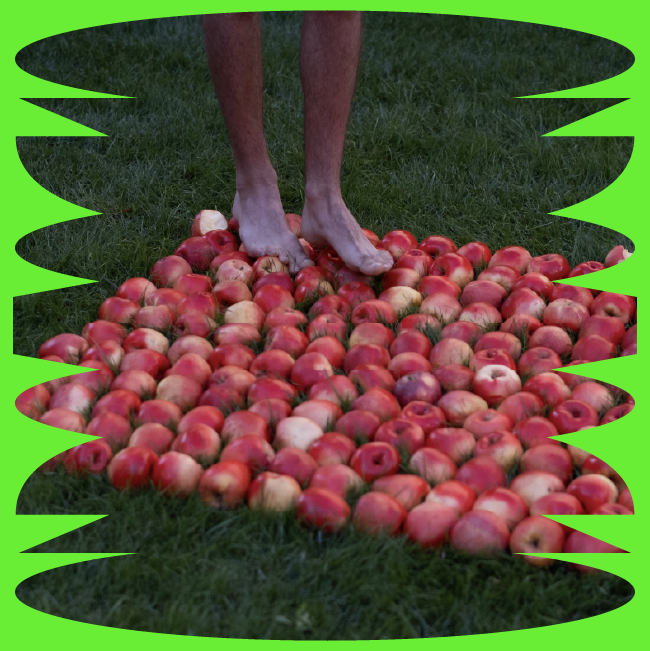
The Conquest of the Rabbits I & II. 2021. Process.


In your approach, one senses an ethic of exposure: exposing oneself to the environment, to the weather, to others, to the unpredictable. To what extent is this vulnerability also a form of knowledge?

Diana: For us, this vulnerability teaches us a great deal—above all, humility. When we are out there and feel the cold, the rain, or the sun, we become aware of how small and insignificant we are in comparison to the grandeur and power of nature.

So yes, we understand vulnerability as a profound source of knowledge—one that helps us, among many other things, to let go of our ego and to understand that we are only a small part of a far more complex web.


Sometimes mountains cry too. 2021. Limestone rockfall, sun, rain, wind, pine resin on acrylic on natural cotton canvas, exposed on a blanket of esparto grass and limestone for two months.. 195 cm x 130 cm x 3 cm.


Your works often emerge from prolonged processes of exposure to the environment. Could it be said that the material—the fabrics, the pigments, the traces of the environment—acts as a memory that time writes on you as much as you write on it?

Álvaro: This is a topic for a long conversation, sitting on a rock—it would be very stimulating. But if experiences shape people’s inner lives and define who we are in the present moment, then I would say yes, especially in that sense.

Leaving our comfort zone has led us to learn from the perseverance of plants and the geological calm of mountains. Through this process, we have reconciled ourselves with time, with the environment, with nature, with ourselves, and even with our own practice. Just as fabrics hold the memory of a place, we have relearned how to pay attention and how to understand. Ultimately, it is a way of deepening our capacity to feel.


The fox and his tricks. 2022. Detail.


To what extent do you plan your work, and how much space do you leave for the unexpected—or even for mistakes?

Diana: Our planning is limited to an initial hypothesis. We choose the materials, colours, places, and sometimes even the specific location, but we leave as much room as possible for the unexpected to occur. In the end, that is what it is really about: allowing nature to speak and life to unfold. For us, both the unexpected and mistakes are part of the world’s complexity, and within that complexity we find a form of natural beauty.