LATIN-AMERICAN VIDEO ART IN ART MADRID
May 13, 2020
art madrid
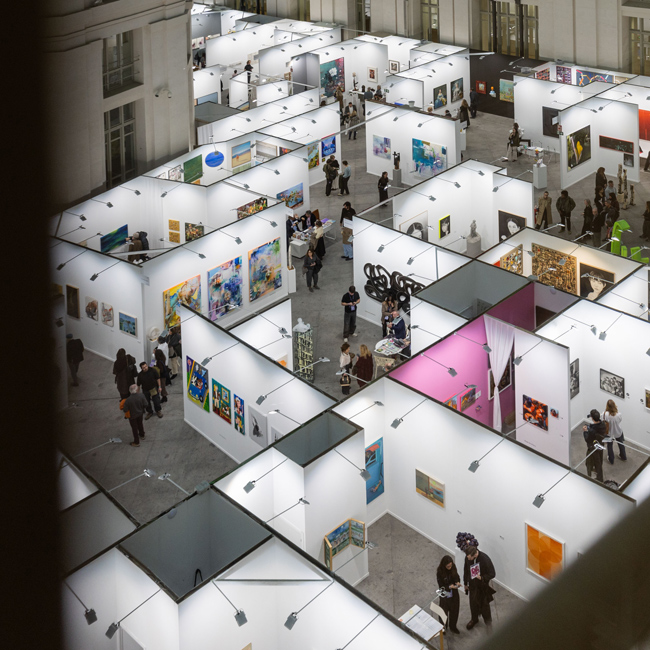
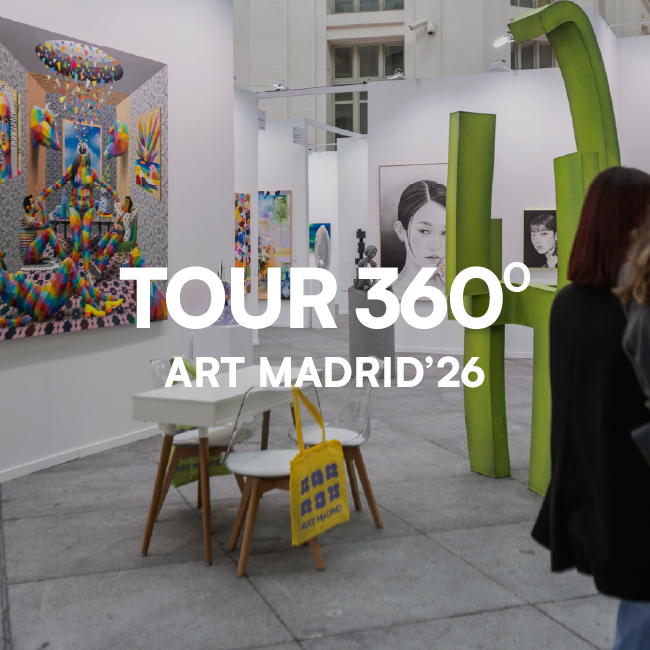
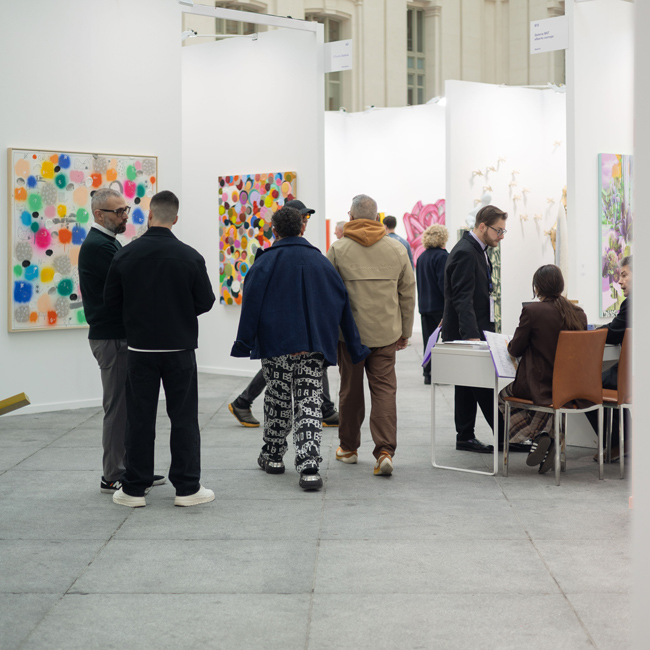
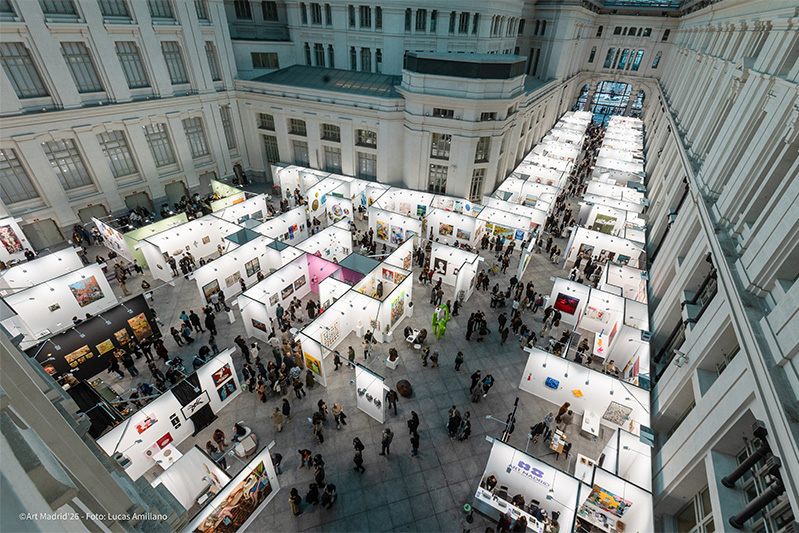
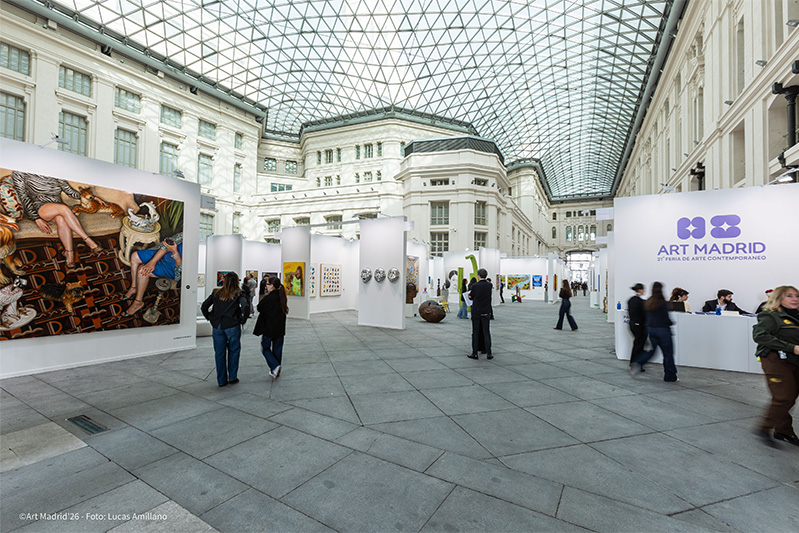
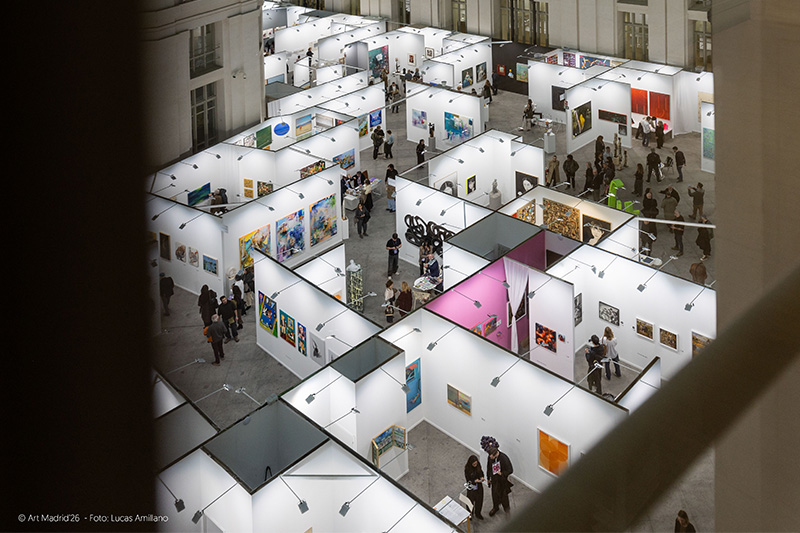
To celebrate Art Madrid's 15th anniversary, the fair organised a program of activities focused on video art, new media and action art that took place throughout the month of February. In addition, one of the keys in this edition consisted of dedicating a complete booth to accommodate part of this agenda and thus be able to share with the public the experience of enjoying video art and performance in the same space. In this program, in addition to the daily presentations of artists and live performances, one of the highlights was a curated cycle dedicated to international video art that was possible thanks to the collaboration of 13 foreign festivals that gave us the best of their selected pieces.
Mario Gutiérrez Cru, the director of the PROYECTOR video art platform, and the curator of the “Art Madrid-Proyector'20” action program, carried out an arduous task of selection and contact with these contests and exhibitions with the aim of offering a varied, enriching picture of the reality of global video creation. In this way, we have had the contribution of these 13 international festivals, which has given us a unique opportunity to enjoy video art outside the usual exhibition circuits that this discipline occupies.
In this collaboration, the participation of Latin American festivals especially stands out: BIM (Argentina), EJECT - International Festival de Videoperformance (Mexico), Kósmica (Mexico), Play - Video Art Week (Argentina), El Validadero Artístico - Tele-atemporal / curaduría latinoamericana de video experimental (Colombia) and VideoBabel (Peru). With more or less experience and seniority, these 6 festivals have brought us a selection of the best awarded works in the most recent editions, providing a global and updated vision of the interest that video art arouses in Latin America.
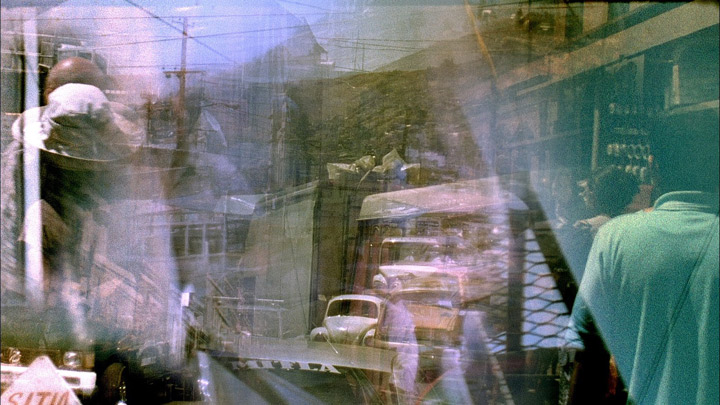
The Biennial of the Moving Image (BIM) is a combination of a film festival and a contemporary art show where the central axis is experimental videos and cinematographic works. BIM combines an exhibition program with works exhibited in museums and theatres with a wide range of activities (workshops, conferences, seminars and talks with artists). It is a meeting space designed for audiovisual art lovers. The project was born from the initiative of the National University of Tres de Febrero and takes place every two years in the City of Buenos Aires.
For the curated screening of “Art Madrid-Proyector’20” we had the following artworks: "Viento Sur" (2012), by Paz Encina; "Una sombra oscilante (2018), by Celeste Rojas Múgica, "Fotooxidación" (2013), by Pablo Mazzolo; "Retrato nº 26" (2011), by Edu Loschpe; "Traspasar (2.0)" (2009), by Hernán E. Bula; "Am I?" (2012), by Florencia Aliberti; "Lumbre" (2016), by Christian Delgado & Nicolás Testoni; "Trabajos de la vida terrestre I, II y III" (2017), by Camelia Estefes; "Destellos" (2016), by Ernesto Baca; "Abecedario/B" (2014), by Los Ingrávidos; "Black Pond" (2018), by Jessica Sarah Rinland, and "Plantas trepadoras" (2014), by Julieta Averbuj.
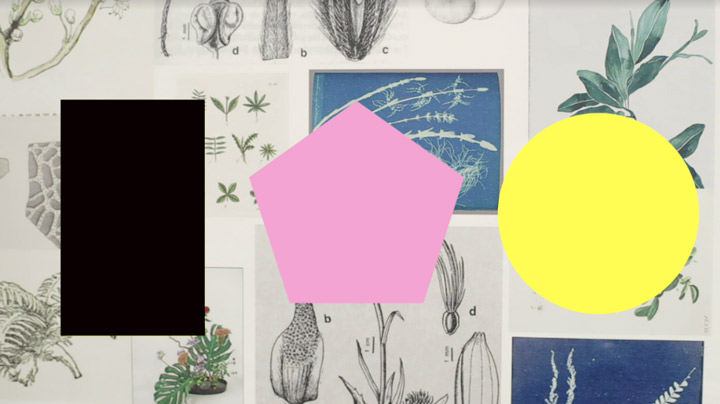
Also from Argentina, it came PLAY - VIDEOARTE, an exhibition of international scope born in 2012 that seeks to expand the borders of legitimate contemporary uses of image, sound and speech. In each edition, they carry out activities aimed to educate and promote video creation, such as production workshops, talks/meetings with and between artists, which are held in the City of Corrientes (Argentina), at the Cultural Center of the Extension University, of the National University of the Northeast (UNNE).
The selection by PLAY was a 100% Argentinian and included the pieces: “Escucho los grillos”, by Tamara Kuselman; “Así me duermo”, by Mariano Luque; “Taxonomía de la desmesura: diario de viaje a la isla Victoria”, by Maia Gattás Vargas; “La raíz de lo ligero”, by Juan Ignacio Slobayen; “Distancia”, by Joaquín Pedretti; “Los casuales”, by Pauli Coton (production), Lucía Ruiz Guiñazú (original music) and Marianela Márquez (script), and “Experimento desde Occidente N 1”, by Yaela Gottlieb.
EJECT - International Festival of Videoperformance in Mexico City initially functioned as a festival and today it is an archive that brings together the works presented in successive editions, mostly carried out by Mexican authors. EJECT is coordinated by the artist and curator Pancho López and was formed between 2006 and 2016 from a public call launched by Ex Teresa Arte Actual and the Arte Alameda Laboratory, two important cultural venues dependent on the National Institute of Fine Arts and Literature of Mexico. Since 2019 this archive is part of the Video Art Research and Documentation Centre (CIDV) at the Vanguardia Arts Centre, La Neomudéjar Museum in Madrid, Spain, and Ex Teresa Arte Actual in Mexico City.
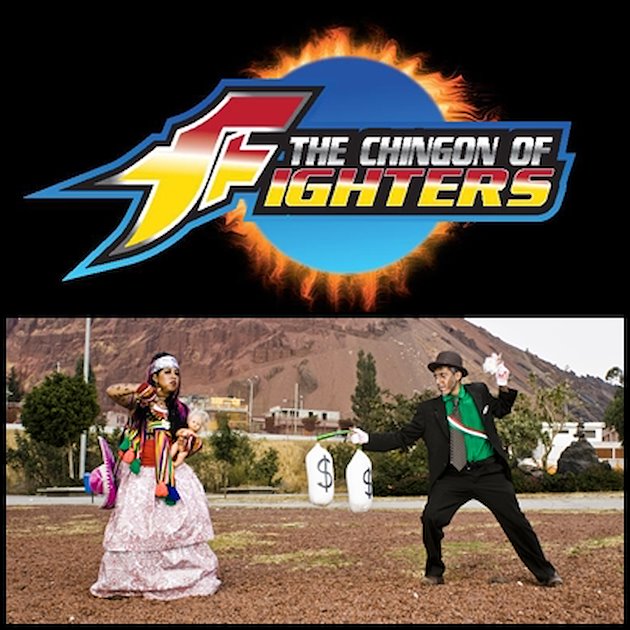
The curated exhibition for Art Madrid revolved around the concept of "radical Mexicanisms," an analysis of the gestural features that mark the idiosyncrasy of the country's society, and was made up of the following videos by Mexican artists: “Ahí va el diablo”, by Mariana Orozco; “Maléfica educare”, by Angélica Peña; “Paisaje mexicano con sombrero”, by Víctor Sulser; “Ensalada de nopal”, by Isabel Rojas; “Ejercitar”, by Luis Albarrán; “Progreso”, by Liliana Ramales; “Soy 1, 2, 3, 4”, by Manuel Díaz; “Caja de Pandora”, by Liz Misterio; “#15”, by Fernando Arroyo Sauri; “Chamánika urbana”, by Claudia Bernal; “El bombón”, by Erika Mayoral; “The chingón of the fighters”, by Fershow Escárcega, and “Toque de lo que queda”, by Blanca Ugarte/César Cuahtémoc Cruz.
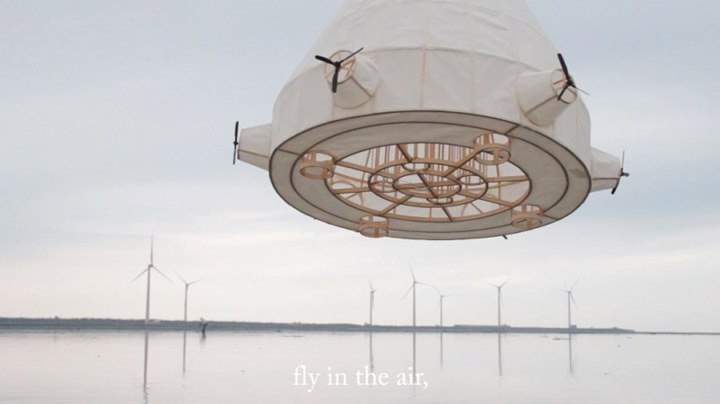
Also from Mexico, we have the collaboration of KOSMICA, a global institute founded in 2011 with the mission of establishing a platform for critical, cultural and poetic discourse on our relationship with outer space and the impact of space activities here on earth. The Institute develops initiatives that unite art and the humanities, the space sector and society.
KOSMICA selection included: "Reflections of a space traveler" (2013), by 2boys.tv; "Entrenamiento para 0g" (2015), by Gilberto Esparza; "Vimana" (2017), by Tania Candiani; "ECLIPSE//Composition I" (2015), by Melanie King; "Supernova" (2014), by La Gravedad de los Asuntos (Ale de la Puente, Juan José Díaz Infante, Nahum y Tania Candiani); "Sujetando Aire" (2014), by Nahum; "About the moon" (2019), by Manuel Díaz; "Distance of everything" (2020), by Javier Barrios, and "Dream to space" (2006), by Anaïs Tondeur.

VideoBabel is an international festival, founded in 2009 by Jorge Mora Fernández, based in the city of Cusco, Peru. The project seeks the democratisation, diffusion and promotion of audiovisual and digital culture in Peru and in other regions of the world. More than 3,700 audiovisual works from different countries have participated in the calls for its nine editions since 2010, and for Art Madrid, they have brought the best of their official section:
“Tárrega Tanazaky” (2018, Spain), by Román Rubert.
“Cielo / The Blue Of The Sky” (2018, Canada), by Marco Joubert.
“El Gran Señor / The Great Mukhiya” (2018, Nepal), by Ashin Poudel.
“Incluso Lo Inusual Debe Tener Límites” (2019, Germany), by Tobi Sauer.
“Guisantes: Sinfonía Industrial En Cuatro Movimientos” (2019, Spain), by Fran Gas.
“Lugares” (2019, Spain), by Claudia Barral Magaz.
“Accidente de persona” (2018, France-Spain), by Álvaro Martín.
“Iceberg Nations” (2019, Spain), by Fernando Martín Borlán and Rubén Martín de Lucas.
“Esencia inaccesible” (2017, Mexico), by Adrián Regnier.
“Una payasa en el espejo” (2018, Brazil), by João Lucas.
“Ravilob” (2018, Argentina), by Marco Lanzoni Larracoechea.
“Guanímar” (2019, Mexico-Cuba), by Emir Luciano Tlachi Sandoval.
“El Fin De La Eternidad” (2018, Argentina-Peru), by Pablo Radice.
And from Colombia El Validadero Artístico - Tele-atemporal / curaduría latinoamericana de video experimental has collaborated. It is an experimental pedagogical project for artistic practices and social relations, after its 4 years of pedagogical programs and continuous research in the city of Bogotá.
All the works selected by Federico Daza M. for Art Madrid are Latin American, with a clear predominance of the Colombian presence. Thus, from Colombia, we had the artworks: “Paisajes Encontrados”, by Paula Andrea Molina; “Georáculo”, by Camilo Parra; “Obra en proceso”, by Sonia Rojas; “Apología 3.0”, by John Melo; “Exponiendo te conocí”, by Andrés Guarro; “Economía Naranja 2020”, by Recreativa TV; “Paisaje del deseo”, by Andrea Solano and Laura Muñoz; “Ejercicios de Memoria”, by Pamela Loaiza; “Zoom”, by Julieth Natalia Casteblanco; “Es wird haarig”, by Esteban Rivera, and “Contracorriente”, by Diana González.
From Mexico: “Ciudades Invisibles”, by Eder Castillo and “Ciudad de México en el Tiempo”, by Antonio Falcón; along with “Un gozo entre humanos”, by Luis Yépez, from Ecuador; “Camino hacia el fractal”, by Yannet Vilela, from Peru, and “X,Y, Z”, by Adrián Preciado, from Venezuela. Finally, we also had some Argentinian presence with “Quizá Algún día lo logre”, by Rodrigo Tunica, and “Instrucciones para levantar una piedra”, by Maia Gattás Vargas.