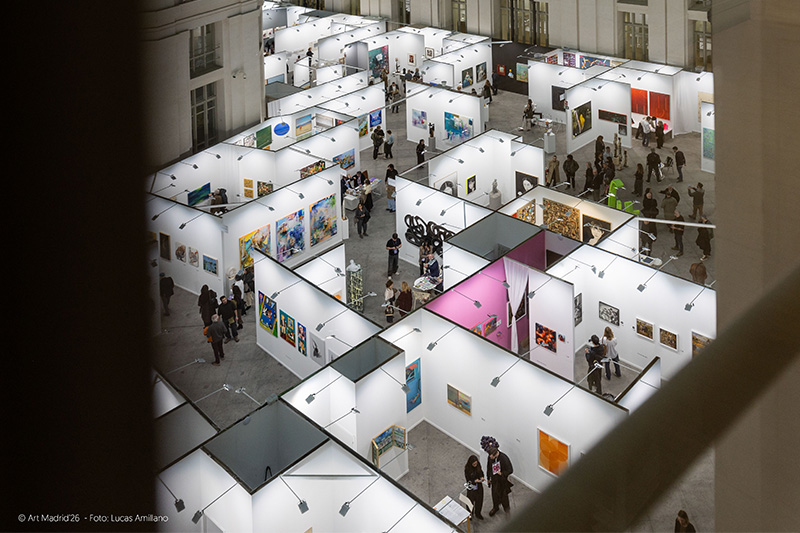
Art Madrid'26 – ESPACIO TECTÓNICA: THE NATURE OF THE SENSIBLE

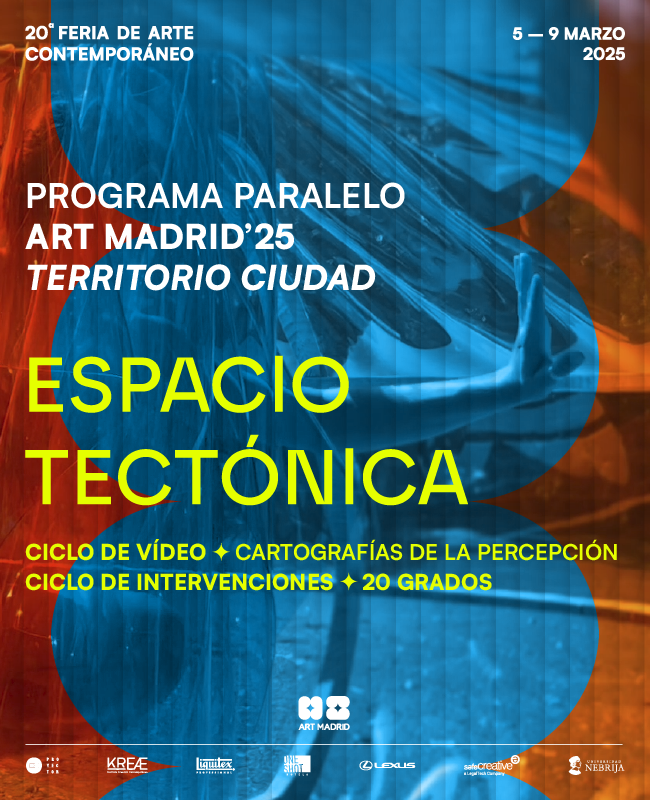
CITY TERRITORY: PARALLEL PROGRAM ART MADRID'25

ESPACIO TECTÓNICA

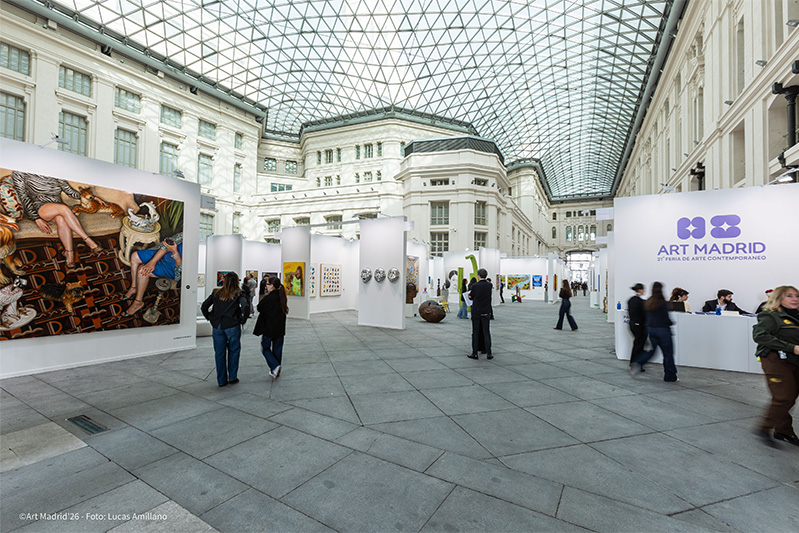
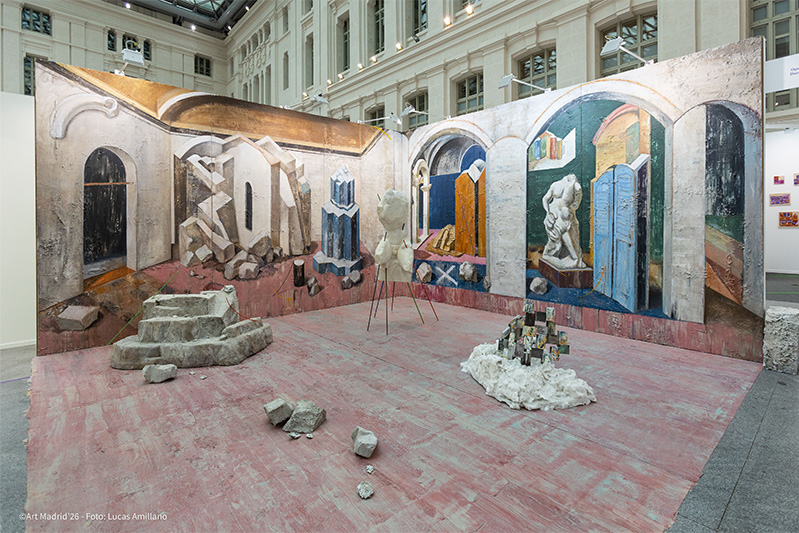
The city, as Henri Lefebvre argued, is not only a physical space but also a social product, a network of relations and representations that are constantly reconfigured. Its cracks, folds and vertices are more than mere accidents of the terrain, they are material manifestations of a dialectic between inhabitation and transformation. It is in this vacillation of forms and meanings that Espacio Tectónica was conceived, a place to promote the encounter between art, territory and city.
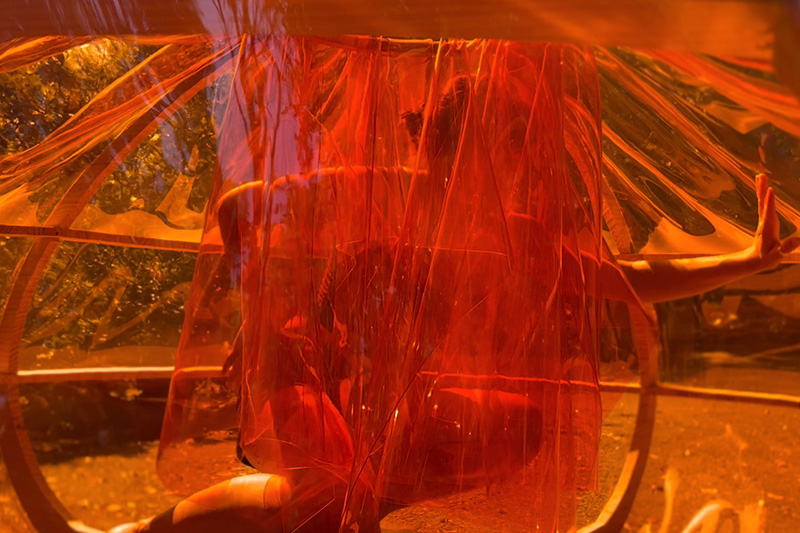

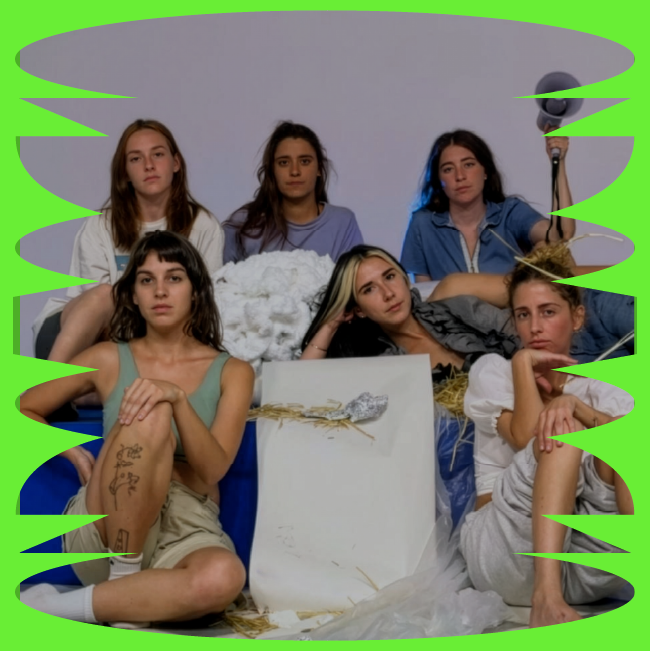
Maternidad geomética. Jeanne de Petriconi y Guillermo G. Peydró. 2023.


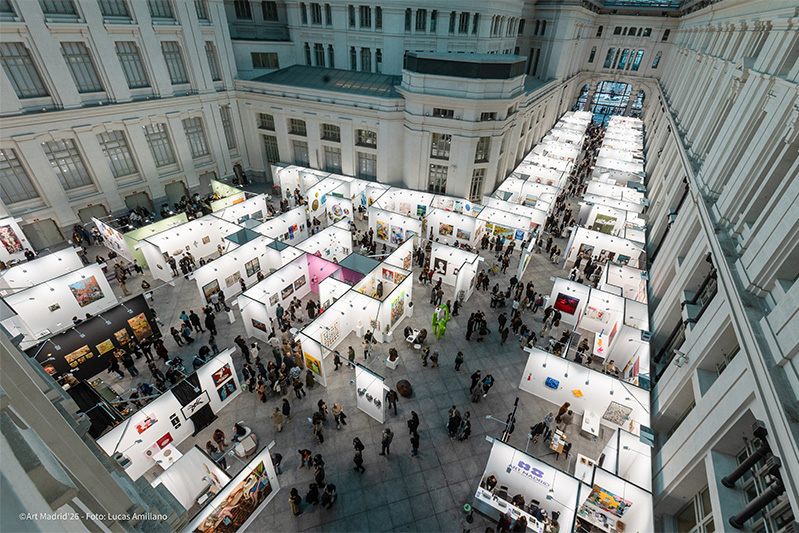
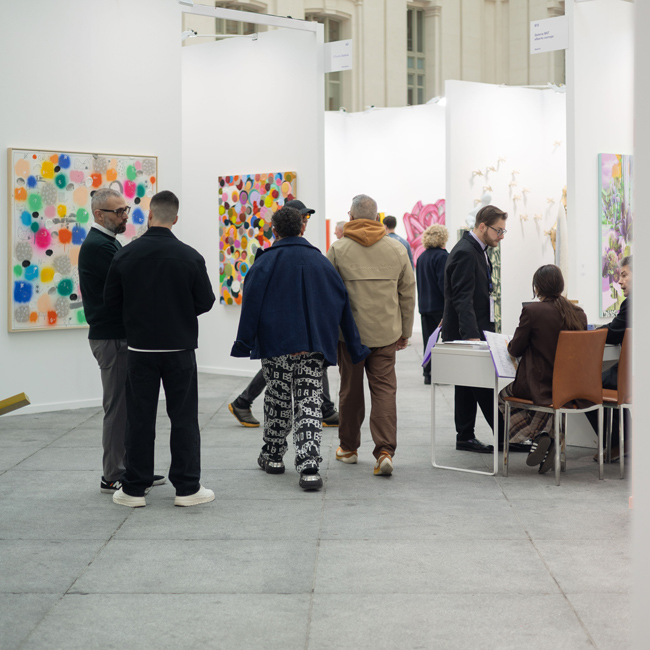
Inside the fair, Espacio Tectónica is configured as a space for reflection and action on our relationship with the urban environment. A space that encourages critical thinking and artistic experimentation, exploring the tensions that shape the contemporary city. Through a programme that includes a video cycle and meetings with professionals, the space invites us to think about how the city not only receives cultural practices, but also generates and transforms them. It is a field where differences and contrasts become a source of reflection and analysis, and where art becomes a tool for understanding the social and philosophical complexities of the world we inhabit. Like tectonic plates in friction, everything that happens in Espacio Tectónica shifts, collides and challenges the visitor to generate a state of questioning about how we inhabit public space.
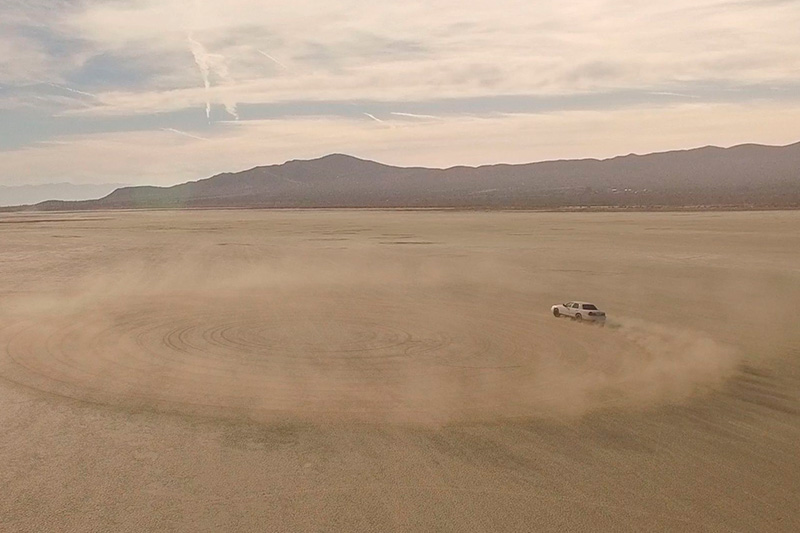

Circular Inscription. Tezi Gabunia.2016.


VIDEO CYCLE: CARTOGRAPHIES OF PERCEPTION

Under the title Cartographies of Perception, during the week of the fair, Espacio Tectónica will host this section, curated by PROYECTOR's Imagen en Movimiento platform, which presents a selection of international video art works that address issues such as migration, territoriality and the relationship between the peripheries and urban centres from a contemporary and analytical perspective. From the production of semiconductors in Taiwan to the mutation of the landscape in Brazil, video art becomes a critical tool that unravels the interactions between urban space, nature, the climate crisis and contemporary perceptions of the environment.

The works presented address migration, territoriality and the relationship between centres and peripheries, examining the city as a complex organism, at once a labyrinth and a tower of Babel. Through video, the artists reflect on the role of the individual in the transformation of architectural space and the dynamics of feedback between peripheries and urban centres in an interconnected world, inviting the viewer to expand his or her perception of the spaces he or she inhabits.

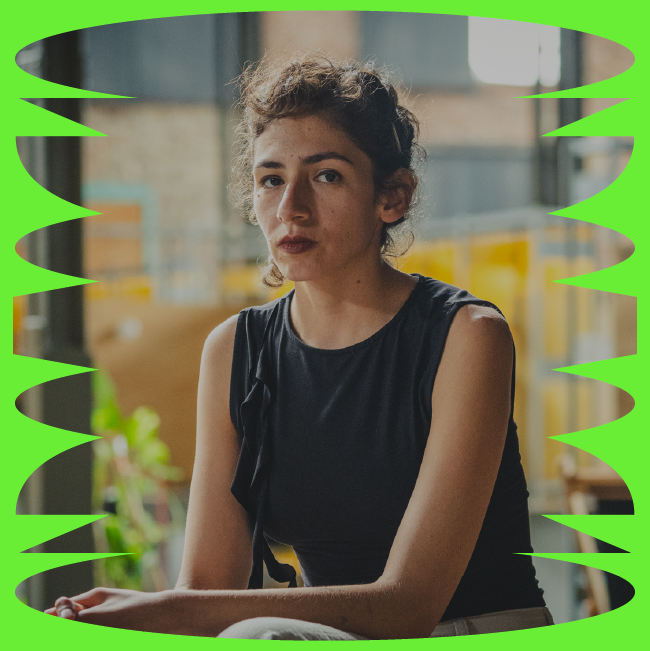
Guest artists: Ilaria Di Carlo (it), Tezi Gabunia (ge), Juan Carlos Bracho (esp), Magda Gebhardt (bra), Lukas Marxt (aut), lololol (Xia Lin y Sheryl Cheung) (tw) and Yuchi Hsiao (tw).
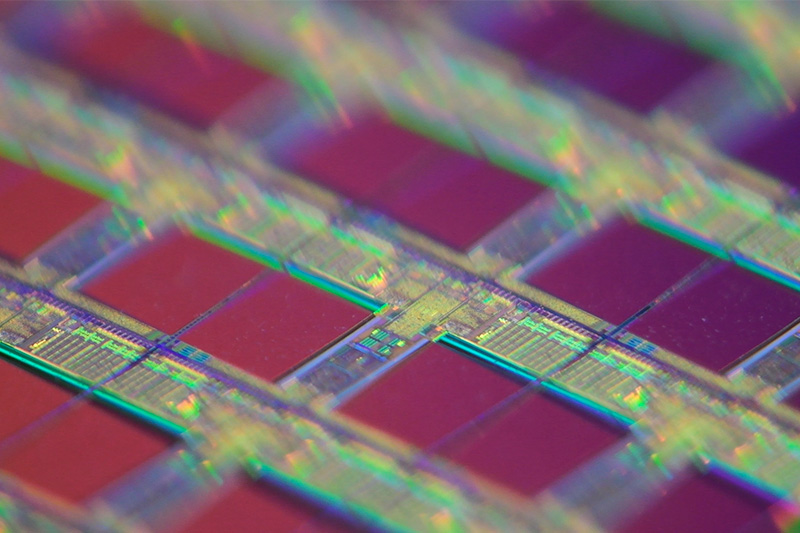

Wafer Bearer Deep Rain. lololol. Xia Lin y Sheryl Cheung. 2022


INTERVENTION CYCLE: 20 DEGREES

As part of the parallel program, Espacio Tectónica will also host the Cycle of Interventions: 20 Degrees, in which professionals from the sector: artists, researchers, professors, curators, etc. will carry out ephemeral interventions to reflect on the city as a symbolic and political space. Key issues such as migration, the evolution of urban centers and the role of the individual in the transformation and atonement of the city will be explored. Through these actions, bridges will be built between disciplines and diverse perspectives, broadening the understanding of how art feeds back into the urban fabric and how public space is a natural environment for artistic creation.

Guest artists: Susi Vetter (al), Helena Goñi (esp), Paula Lafuente (esp), Olga Mesa (esp), Elena Arroyo (esp), Amaya Hernández (esp), Deneb Martos (esp), Guillermo G. Peydró (esp) & Jeanne de Petriconi (fr), Sergio Muro (esp) y Javier Olivera (esp).
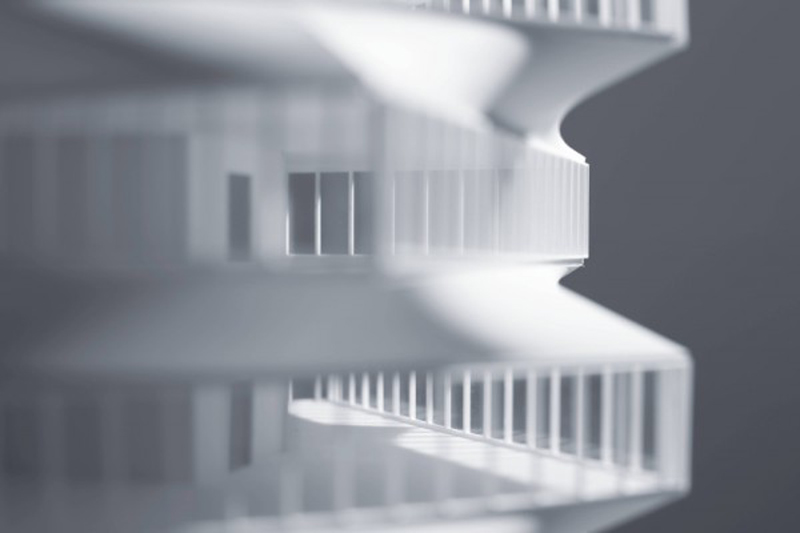

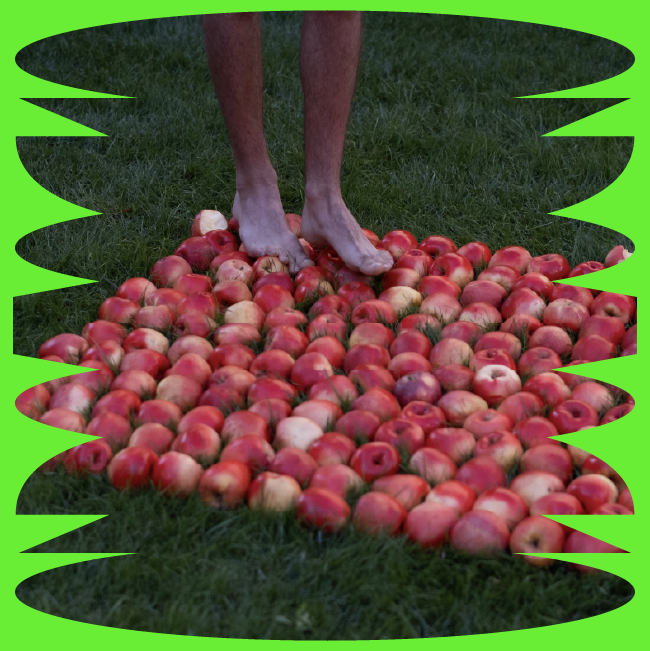
La Pagoda de Fisac II. Amaya Hernández. 2022.


Espacio Tectónica functions as a dynamic node within Art Madrid. Its rhizomatic character allows art not only to inscribe itself in the territory, but also to transform it, infiltrating its meanings and re-signifying it. It is a meeting point and a space for critical thinking that welcomes visitors and invites them to discover new ways of inhabiting and perceiving the urban environment.
ART MADRID’26 INTERVIEW PROGRAM. CONVERSATIONS WITH ADONAY BERMÚDEZ


The work of Cedric Le Corf (Bühl, Germany, 1985) is situated in a territory of friction, where the archaic impulse of the sacred coexists with a critical sensibility characteristic of contemporary times. His practice is grounded in an anthropological understanding of the origin of art as a foundational gesture: the trace, the mark, the need to inscribe life in the face of the awareness of death.

The artist establishes a complex dialogue with the Spanish Baroque tradition, not through stylistic mimicry, but through the emotional and material intensity that permeates that aesthetic. The theatricality of light, the embodiment of tragedy, and the hybridity of the spiritual and the carnal are translated in his work into a formal exploration, where underlying geometry and embedded matter generate perceptual tension.

In Le Corf’s practice, the threshold between abstraction and figuration is not an opposition but a site of displacement. Spatial construction and color function as emotional tools that destabilize the familiar. An open methodology permeates this process, in which planning coexists with a deliberate loss of control. This allows the work to emerge as a space of silence, withdrawal, and return, where the artist confronts his own interiority.


The Fall. 2025. Oil on canvas.195 × 150 cm.


In your work, a tension can be perceived between devotion and dissidence. How do you negotiate the boundary between the sacred and the profane?

In my work, I feel the need to return to rock art, to the images I carry with me. From the moment prehistoric humans became aware of death, they felt the need to leave a trace—marking a red hand on the cave wall using a stencil, a symbol of vital blood. Paleolithic man, a hunter-gatherer, experienced a mystical feeling in the presence of the animal—a form of spiritual magic and rituals linked to creation. In this way, the cave becomes sacred through the abstract representation of death and life, procreation, the Venus figures… Thus, art is born. In my interpretation, art is sacred by essence, because it reveals humankind as a creator.


Between Dog and Wolf II. 2025. Oil on canvas. 97 × 70 cm.


Traces of the Spanish Baroque tradition can be seen in your work. What do you find in it that remains contemporary today?

Yes, elements of the Spanish Baroque tradition are present in my work. In the history of art, for example, I think of Arab-Andalusian mosaics, in which I find a geometry of forms that feels profoundly contemporary. In Spanish Baroque painting and sculpture, one recurring theme is tragedy: death and the sacred are intensely embodied, whether in religious or profane subjects, in artists such as Zurbarán, Ribera, El Greco, and also Velázquez. I am thinking, for example, of the remarkable equestrian painting of Isabel of France, with its geometry and nuanced portrait that illuminates the painting.

When I think about sculpture, the marvelous polychrome sculptures of Alonso Cano, Juan de Juni, or Pedro de Mena come to mind—works in which green eyes are inlaid, along with ivory teeth, horn fingernails, and eyelashes made of hair. All of this has undoubtedly influenced my sculptural practice, both in its morphological and equestrian dimensions. Personally, in my work I inlay porcelain elements into carved or painted wood.


Between Dog and Wolf I. 2025. Oil on canvas. 97 × 70 cm.


What interests you about that threshold between the recognizable and the abstract?

For me, any representation in painting or sculpture is abstract. What imposes itself is the architectural construction of space, its secret geometry, and the emotion produced by color. It is, in a way, a displacement of the real in order to reach that sensation.


The Anatomical Angel. 2013. Ash wood and porcelain. 90 × 15 × 160 cm.


Your work seems to move between silence, abandonment, and return. What draws you toward these intermediate spaces?

I believe it is by renouncing the imitation of external truth, by refusing to copy it, that I reach truth—whether in painting or in sculpture. It is as if I were looking at myself within my own subject in order to better discover my secret, perhaps.


Justa. 2019. Polychrome oak wood. 240 × 190 × 140 cm.


To what extent do you plan your work, and how much space do you leave for the unexpected—or even for mistakes?

It is true that, on occasions, I completely forget the main idea behind my painting and sculpture. Although I begin a work with very clear ideas—preliminary drawings and sketches, preparatory engravings, and a well-defined intention—I realize that, sometimes, that initial idea gets lost. It is not an accident. In some cases, it has to do with technical difficulties, but nowadays I also accept starting from a very specific idea and, when faced with sculpture, wood, or ceramics, having to work in a different way. I accept that.