INTERCESSIONS. PERFORMANCE CYCLE X TARA FOR WOMEN
Feb 21, 2024
art madrid
INTERCESSIONS. PERFORMANCE CYCLE X TARA FOR WOMEN
In his Poetics of Space, Gaston Bachelard states: "One must be in the present, in the present of the image, in the minute of the image: if there is a philosophy of poetry, this philosophy must be born and reborn with the motif of a dominant verse, in total adherence to an isolated image, and precisely in the ecstasy of the novelty of the image”.
In our present time, a moment of homogenized images, we find a problem that is expressed in the need to listen to the voices that come from otherness. In those other places, it is still possible to find the novelty of the image and the poetry of the image that announces diversity. Everything seems known or familiar if we explore the possibilities of representing a concise idea of the present, of the moment that obliges us to act. From here, contemporary art serves as a pretext to transform society, making use of its goodness as a healing instrument and giving voice to those who turn their vocation into dominant verse, to break into the scenario in which everything happens and takes place, thus making them part of what is happening.
Are we capable of putting ourselves in the place of the other? Do we use our privileged place to intercede for others? How often do we drop our "I" to support the " We"? What does it mean to work for the common good?
All these questions are answered in the exercise of intercession. How people intercede for one another in order to change the course of events, how intercession has the purpose of finding a solution for the improvement of our fellows, how the work and the commitment of those for whom we intercede are brought into a common place.
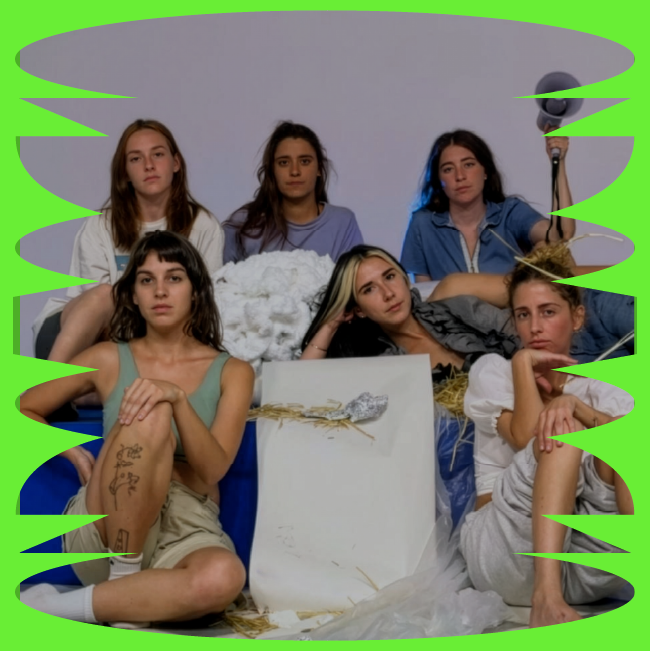
Thus was born Intercessions, a Performance Cycle X Tara For Women, part of the Parallel Program of Art Madrid'24, featuring artists Estel Boada (Mataró, Barcelona, 1991), Teresa Búa (Muxía, A Coruña, 1991), Sara Domínguez (Málaga, 1993) and Mónica Egido (Salamanca, 1994). The main purpose of the cycle is to bet on projects that reflect our times. The performance in its multiple dramaturgical expressions, especially those that use the body as a vehicle to deconstruct and observe from a critical perspective, the relationship of human beings with their natural environment, are conducive to relate the truth of our time.
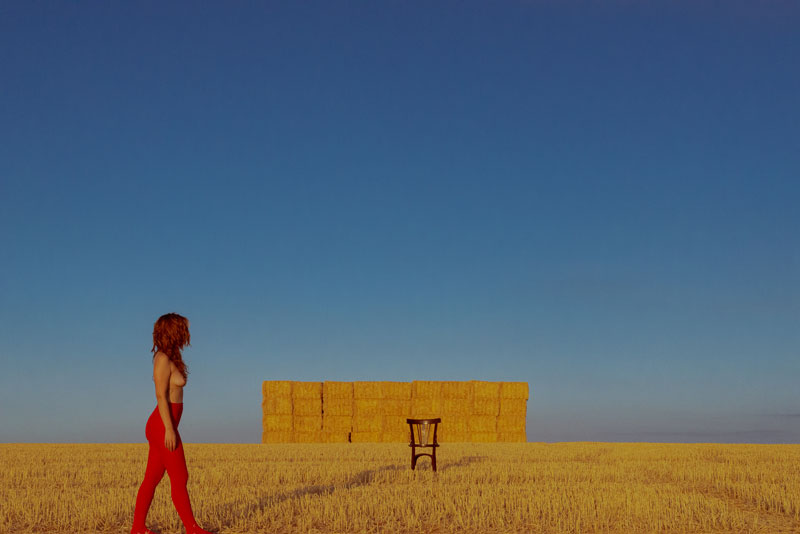
Like hands to the body, eyes to the soul, earth to life, and art to society, the powerful metaphor that represents the exercise of interceding for the other turns the stage of the fair into a device capable of activating and communicating the concerns of the invited artists and extending them to the public in a gesture of empathy..
The treatment of human relations makes the carnal habitat a reservoir of affection for the surrounding reality. To intercede for others, to propitiate an intercession with the objective of achieving a benefit for an entity or subject that dynamizes our action, is the leitmotif of this performance cycle, which appropriates one of the most important artistic moments of the year and transforms it into a catapult of projection for the four participating artists.
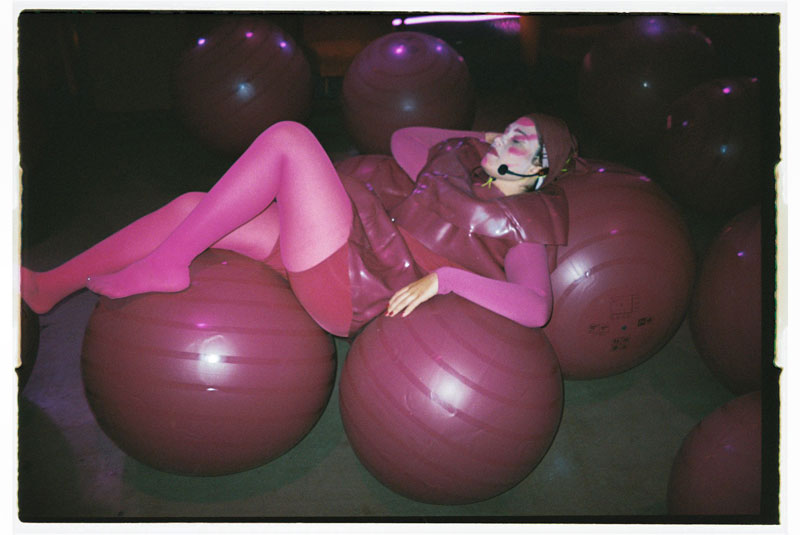
Intercessions proposes a sharp look at the symbolic relationship between human beings and their context, turning the body into a reservoir of affections that enables intercession and the act of interceding for other entities or subjects. In essence, this initiative seeks to promote reflections that transcend the surface of everyday experience, challenging prejudices and entering into the construction of an artistic legacy forged from experience stripped of conventionalisms.
The selection of artists responds to the need to highlight the relevance of works that, through performance, have a strong impact on the collective conscience regarding the challenges and dangers that threaten our society and the way we relate to others. The human body, considered as a motor and a link with the artistic and natural essence, becomes the epicenter of the conceptual exploration proposed by this program, transcending the ordinary to unravel the complexities of the intercession between the individual and his environment.
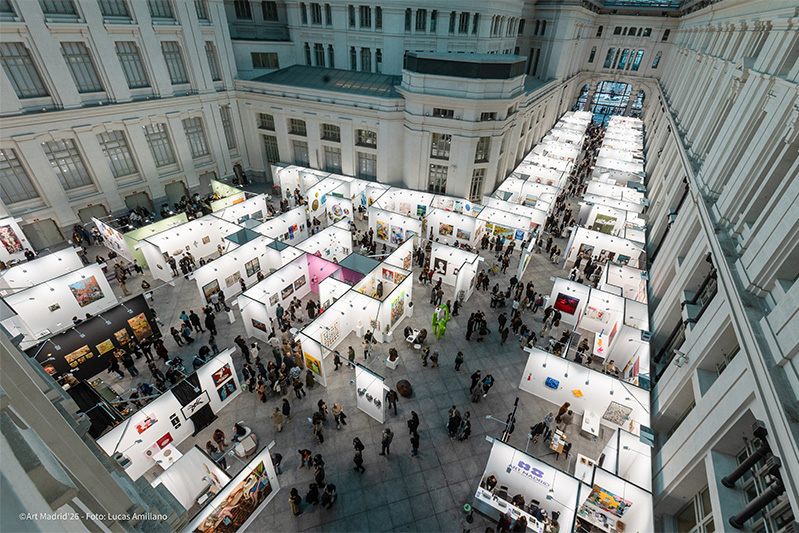
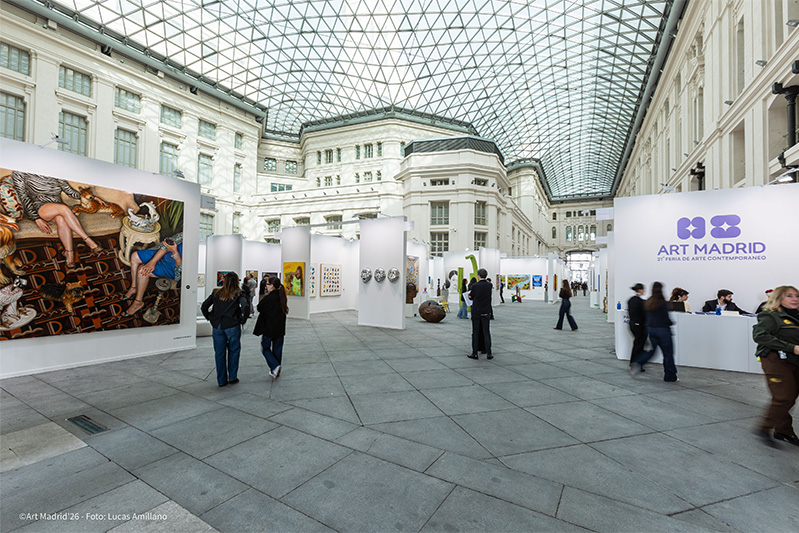
During the days of the fair, Intercessions will transform the exhibition space into an activating device powerfully communicating the urgency with which humanity must approach the construction of its future legacy. Just as the hands are to the body, the eyes to the soul, and the earth to life, this cycle of performances affirms that art, in its maximum expression, intercedes for us, and represents the fundamental notion that will guide the participants in their search for the transcendence and meaning of their works. Intercessions is thus established as a manifesto of performance, a critical and transformative instrument forging a provocative and necessary dialogue in the context of Art Madrid'24.
ABOUT THE ARTISTS
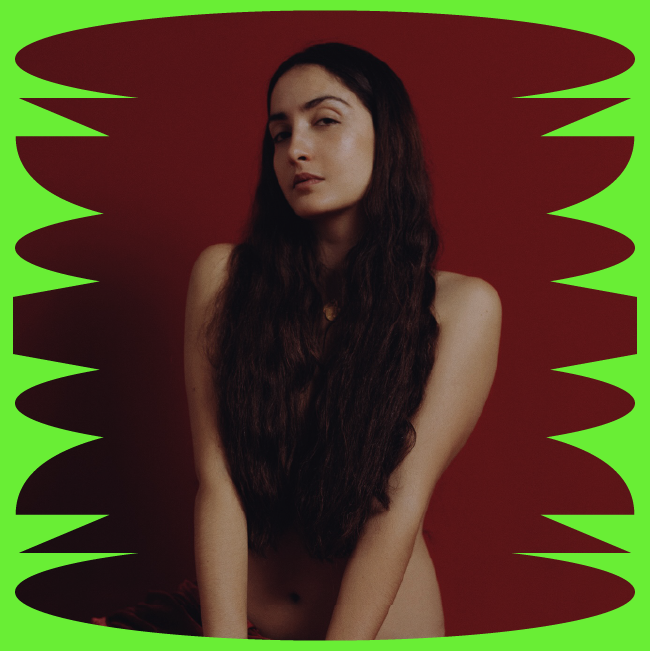
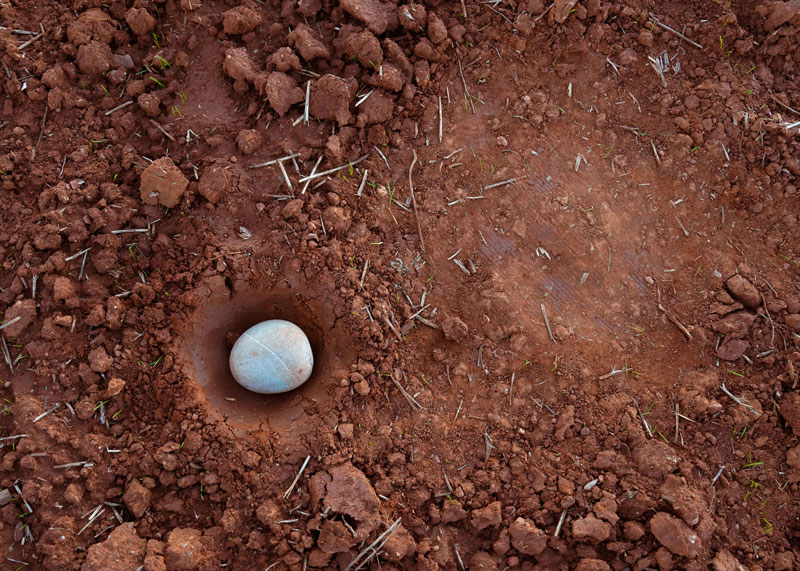
Mónica Egido (Salamanca, 1994) is a visual artist with a background in physiotherapy and specialization in neuroscience of chronic pain and obstetrics. She has excelled in the field of photography, being selected for Futures Photography 2023 and awarded a grant by PhotoEspaña. Her work, exhibited in various spaces in Europe, addresses different issues of neuroscience in relation to health, using art as a mechanism for dissemination, as in her latest project FOMO, where she talks about the impact of permanent anxiety on physical and mental health. Her piece Vacío reflects on the feeling of dissatisfaction and unhappiness that many people of the millennial generation suffer from.
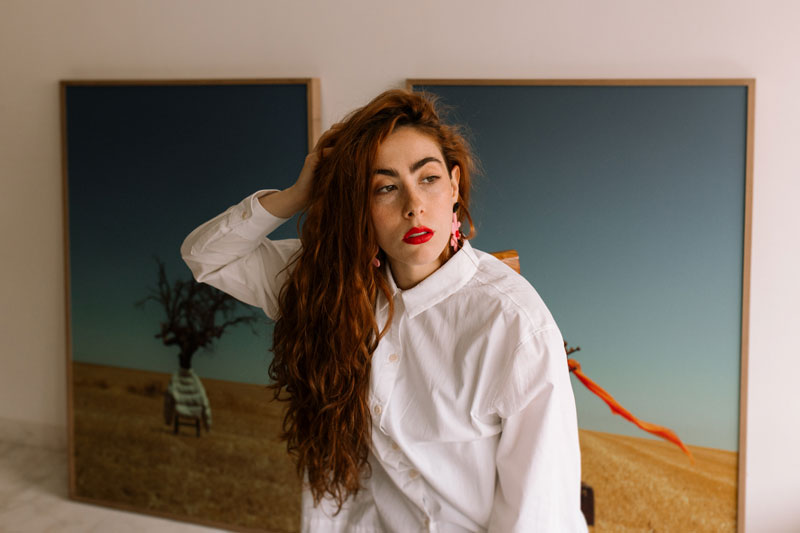
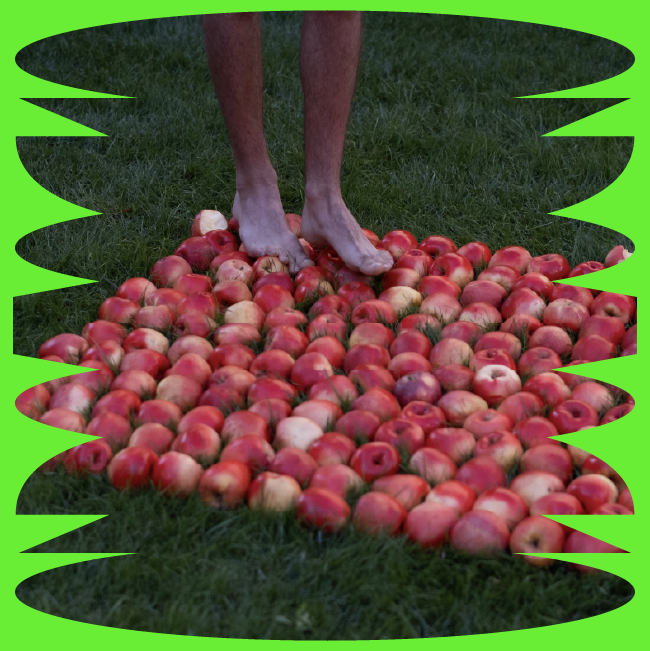
Mónica Egido presents at Art Madrid'24 her performance: VACÍO. From the series FOMO
Vacío is a reflection of the sense of dissatisfaction and constant unhappiness that many people belonging to the millennial generation suffer from.
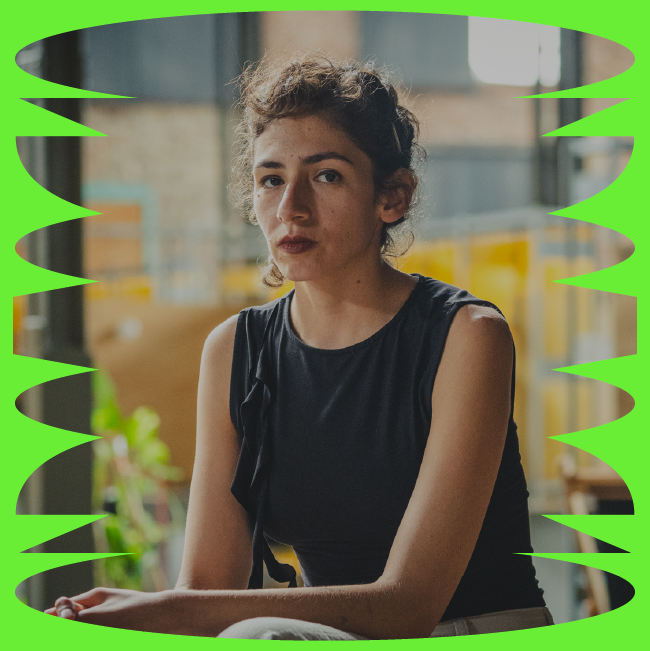
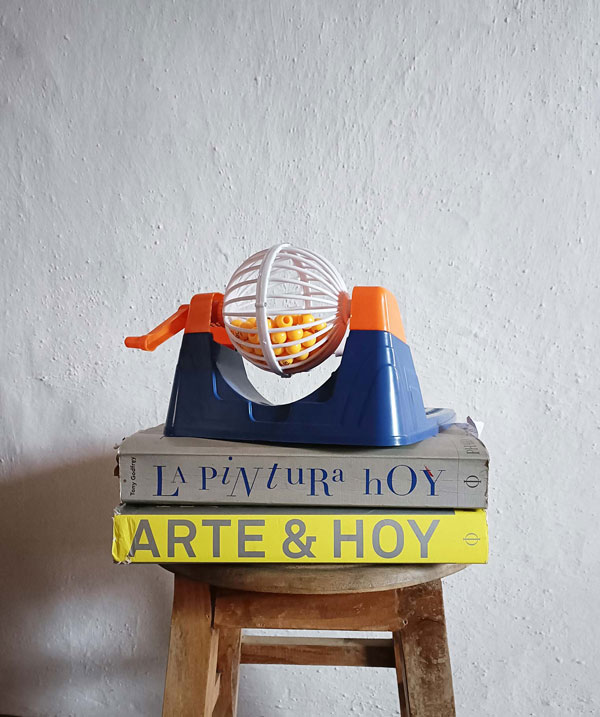
Sara Gema Domínguez (Malaga, 1993) is an artist with a background in Fine Arts and a MA in Interdisciplinary Artistic Production and Research. She specializes in action art, exploring the relationship between art and life. The performance Bingo de Artista satirizes and criticizes the processes of artistic professionalization, inviting the public to participate as potential creators in a game that questions chance and artistic recognition.
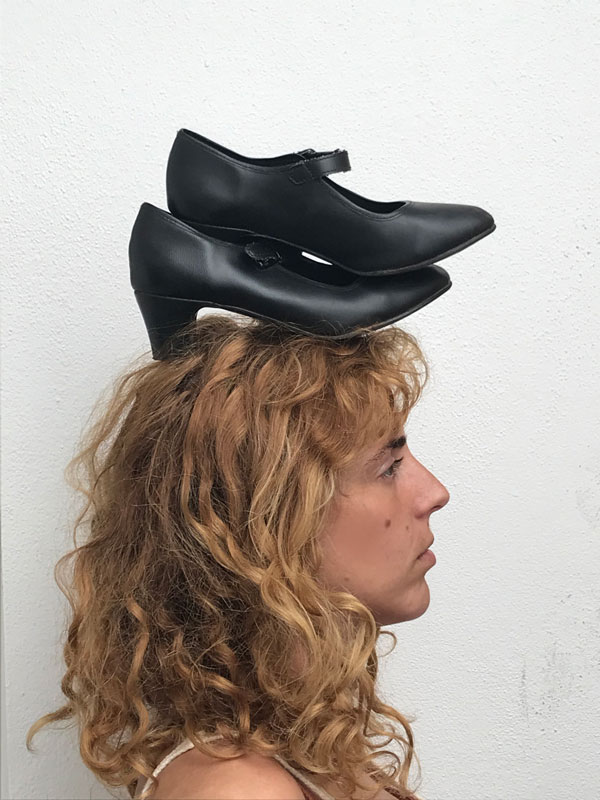
Sara Gema Domínguez presents at Art Madrid'24 her performance: BINGO DE ARTISTA
Chance is a constant in our lives, and the context in which an artist is born or develops is essential to determine their position in the market or mere recognition.
Teresa Búa (Muxía, A Coruña, 1991) combines fine arts, fashion design and craftsmanship in her artistic projects. Her work, represented in national and international exhibitions, focuses on self-knowledge, Galician cultural heritage and digital fashion.
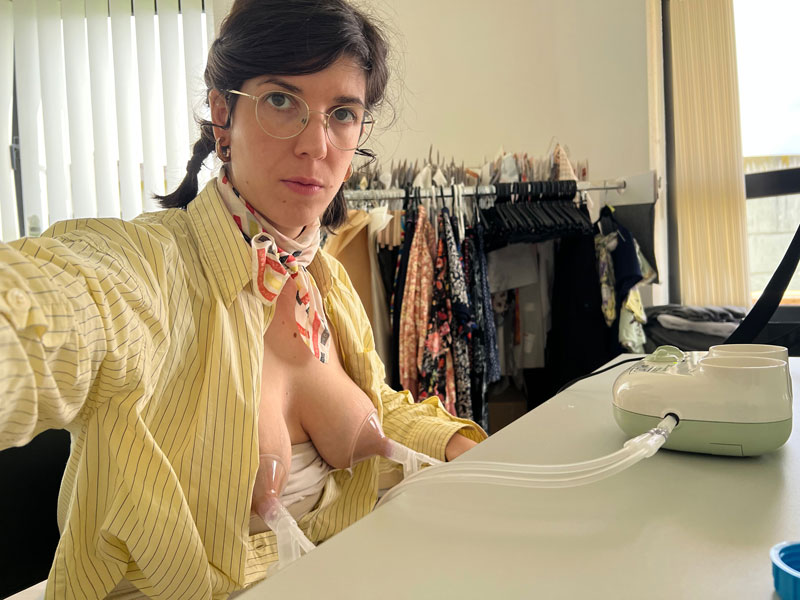
Teresa Búa presents at Art Madrid'24 her performance: MATERNIDAD 4. AMAMANTAR
This work invites us to witness the beauty of maternal experience as a source of creativity in the intercession of life and production as interconnected forces in human experience.

Estel Boada (Mataró, Barcelona, 1991) is a multifaceted artist who addresses past, present and future issues in an ironic and burlesque way. With a background in Fine Arts, her work includes design, drawing, performance, among others…
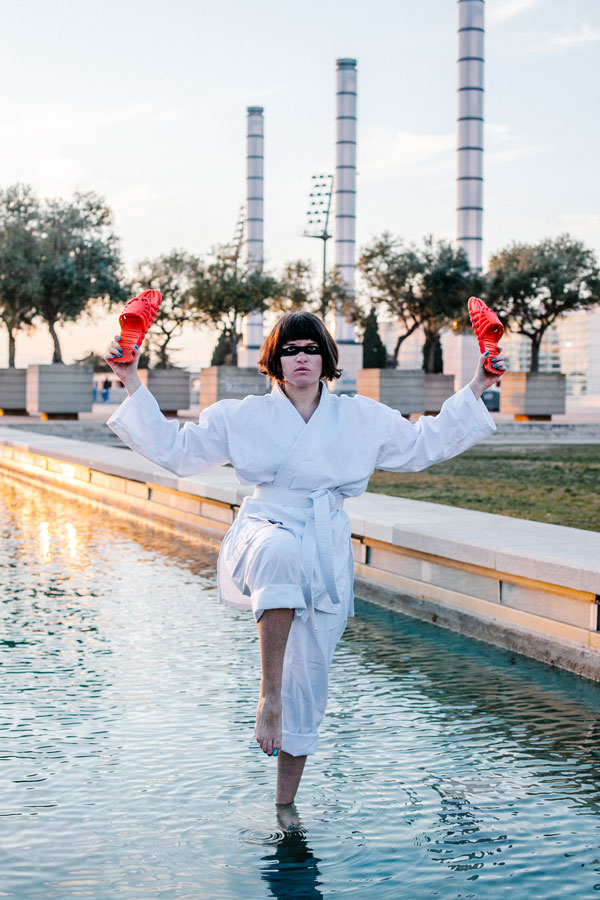
Estel Boada presents at Art Madrid'24 her performance: STAND, BY ME
Stand, by Me is a performance that wants to address the responsibility and the position of an art fair stand from an ironic and burlesque point of view.
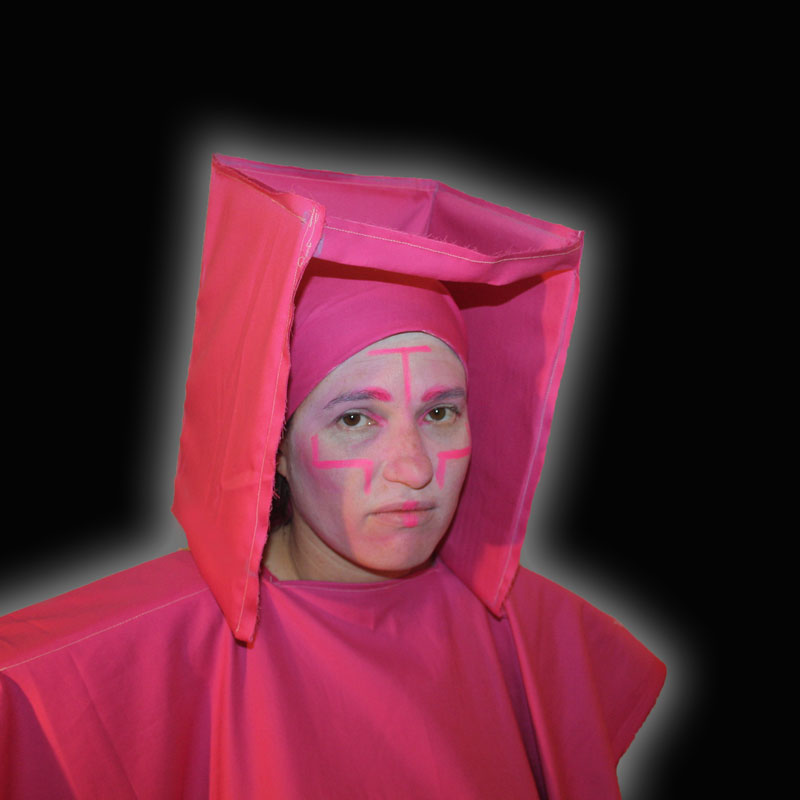
PERFORMANCES
Wednesday, 6 March / 19:00 h - Mónica Egido - VACÍO
Thursday, 7 March / 19:00 h - Sara Gema Domínguez - BINGO DE ARTISTA
Friday, 8 March / 17:00 h - Teresa Búa - MATERNIDAD 4. AMAMANTAR
Saturday, 9 March / 19:00 h - Estel Boada - STAND, BY ME
The performance cycle Intercessions. X Tara For Women is supported by the Foundation, whose mission is to empower talented women around the world to promote sustainable economic and social development. Its vision is to build a global community without borders, where talented women find the necessary empowerment and access to the essential tools to achieve success in their endeavors and artistic expressions. True to its values, it joins Art Madrid in this edition to contribute to the much-needed work of representing the talent of women artists in the national contemporary art exhibition circuit.