Art Madrid'26 – THE ONES WHO LOOK: “MUJERES MIRANDO MUJERES” FESTIVAL

More and more disciplines have joined the reflection on the feminine condition that faces the current reality from the review and the questioning of its historical past. Thus literature, film, music, art, science, agriculture, to mention just a few, join the list of places from which to continue the debate on a movement in constant reinvention.

It is an awakening that, although it extends throughout the year, seems to focus particularly hard in March, with a program that includes festivals, fairs, conferences, marches, readings that transpire enthusiasm and communion. Thus, among the programs of the third month of the year, interesting and necessary projects stand out, such as the Mujeres Mirando Mujeres festival, an initiative of Arte a Click that celebrates its 5th edition between March 9th and June 12th.
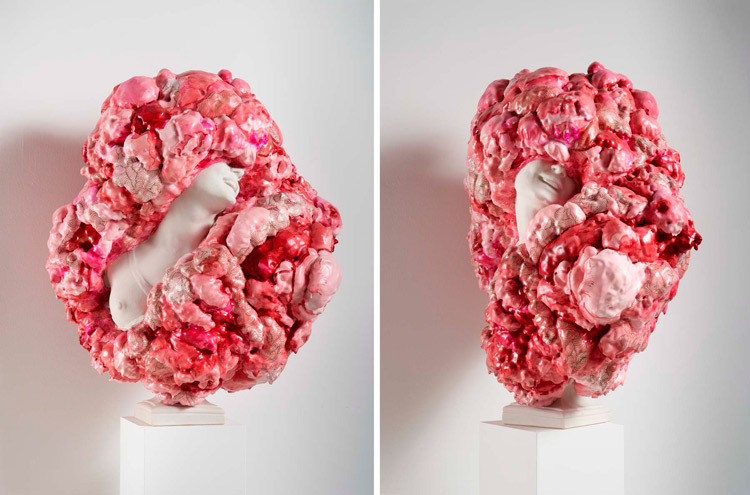
Marina Vargas “La Bacante”, 2015. Polyester resin, marble powder, enamel paint. (image from ©www.marinavargas.com)

The Mujeres Mirando Mujeres project was founded in 2015 by Mila Abadía, with the purpose of spread out the work that women carry out in the art field from the creation to the communication processes, through the curatorial and art critic. As she herself confesses, the idea emerged as an outburst. I have always fought for women's rights and had not actively participated in any feminist claim for a long time.

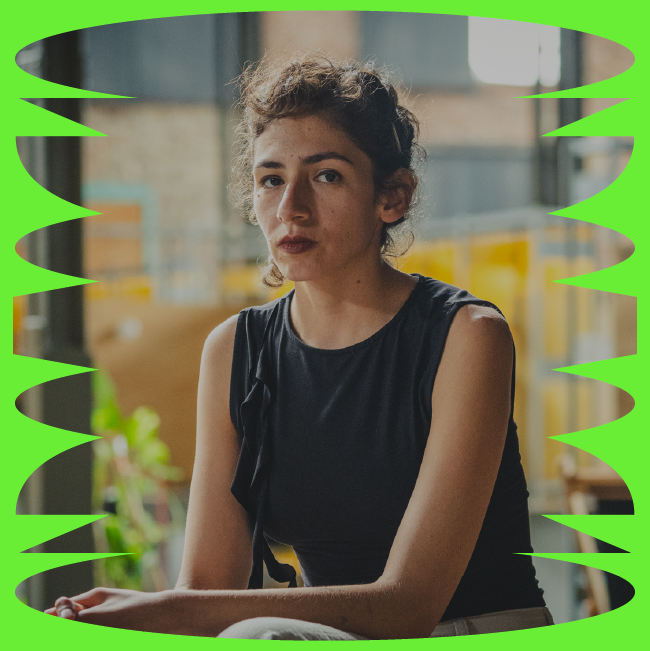
In this sense, the fifth edition is composed of 51 artists, 52 art managers, 15 communicators, 11 invited projects which gives rise to a total of 80 works in which 118 women involved with the feminist movement and with art participate, among them, there are bloggers, journalists, communicators, gallerists, museologists who give light to a rich program based on presentations and interviews with artists that will be published until June on the web. As in previous editions, the festival is concerned with making visible the work of artists with a new professional career, as is the case of the Italian interdisciplinary artist Mónica Mura, whose work revolves around the improvement and appreciation of human beings. The gender perspective of the Italian author goes through her life and work in which she gives voice to groups and individuals who have suffered social rejection due to their nature as transgender, homosexual women... Mónica Mura will be presented by the researcher Karen Campos.

"For me, art is a synonym of freedom and I believe in the power of creation as an engine of transformation". Monica Mura
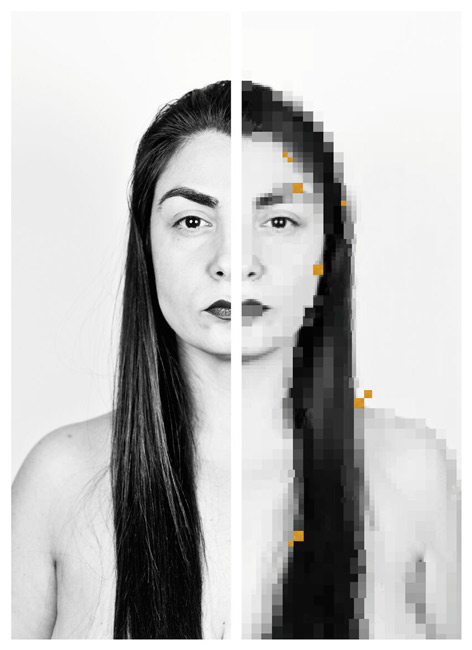
Mónica Mura, project “Poder ver-Ver poder”, 2018. Video installation (image from ©www.monicamura.com)

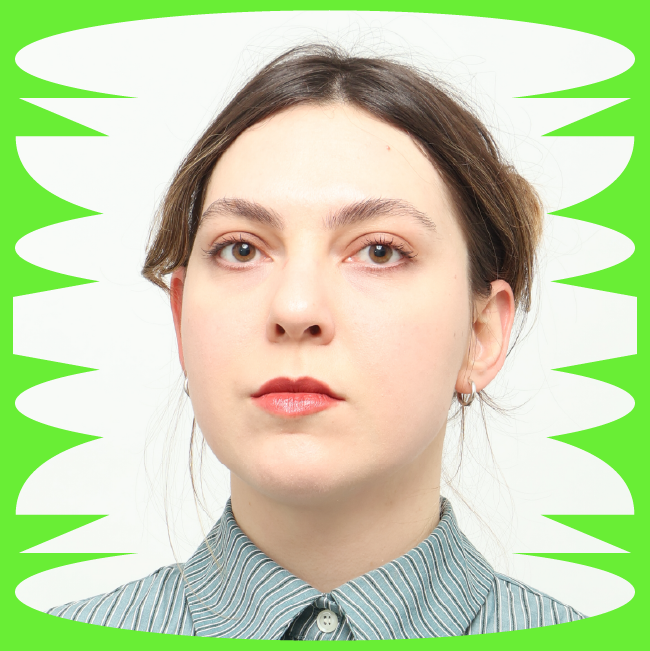
Among the less experienced artists, we also find the Catalan photographer Alejandra Carles-Tolra, who seeks to understand through her images the identity and to blur its limits. Is there an identity that defines women? Which one? These are some of the questions she poses in her project. Alejandra Carles-Tolra will be presented by the director of the Fiftydots gallery, Laura Salvado.

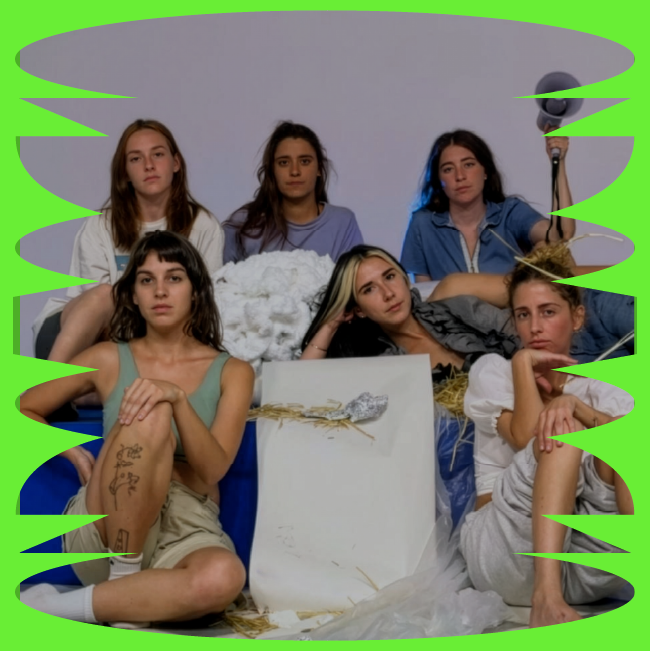
In addition to new artists, the festival also welcomes already renowned looks, like that of Gabriela Bettini who combines in her work the analysis of the environmental crisis with the situation of women, both affected by the violence of the system.

I guess the work changes to the same extent that we change as individuals, the artist once affirmed. Her work and that of the rest of the artists that make up the Mujeres Mirando Mujeres project are an echo of the concerns and conflicts of our time, a time that is increasingly ours.
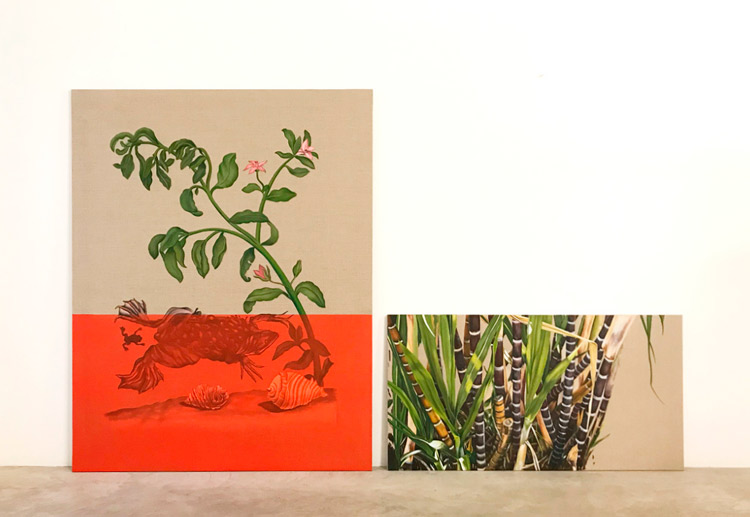
Gabriela Bettini, project “Primavera silenciosa”, 2018 (image from ©gabrielabettini.com)

As once noted Estrella de Diego, always wise: it is not worth being a feminist in the art world, one has to be a feminist or not, our thinking should invade our way of being in the world and of relating to it. And in this sense, art makes it possible to stay those thoughts of our life which are the reflection of our passage through the world.

For this reason, initiatives such as the Mujeres Mirando Mujeres that make women's work real and effective, are as necessary as important.
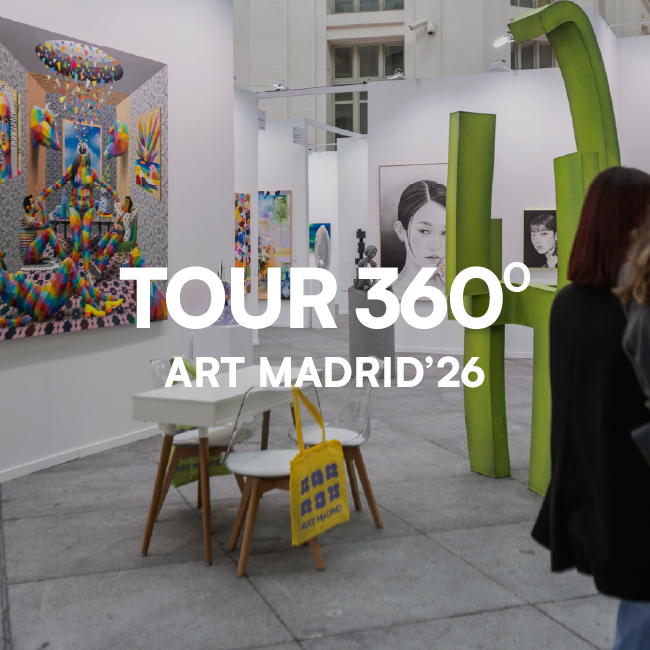
 

ART MADRID '26: 21 YEARS OF CONTEMPORARY ART


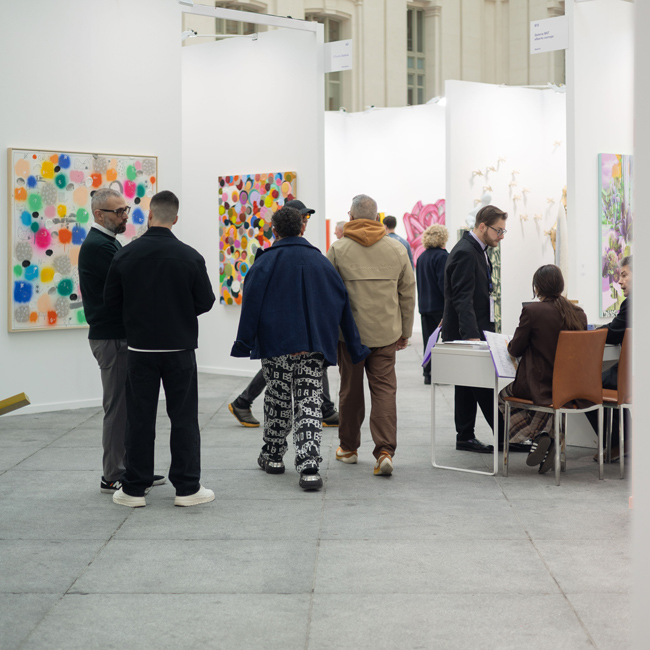
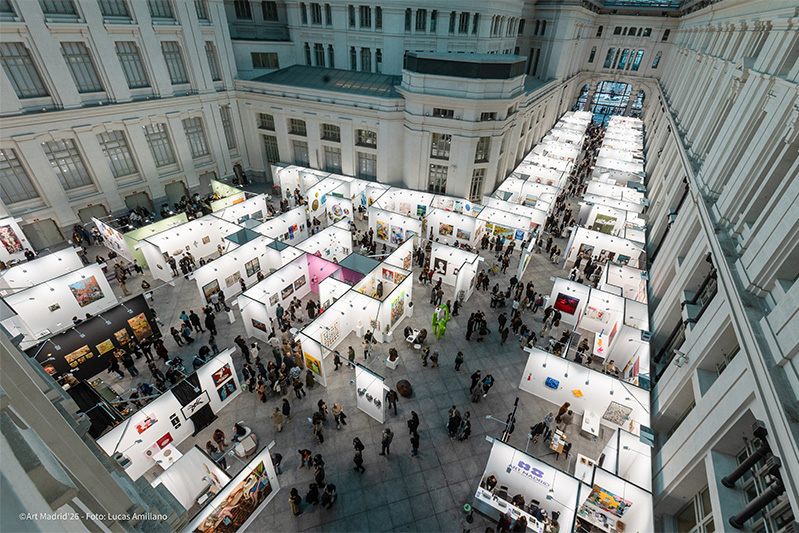
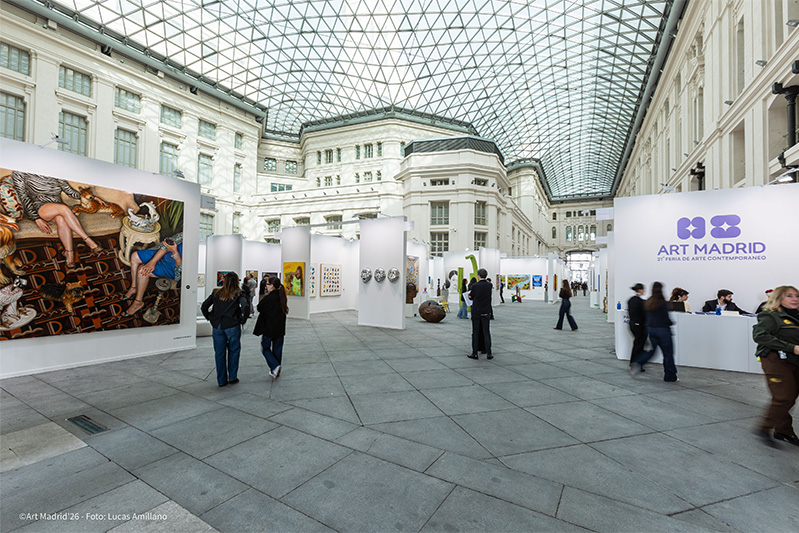
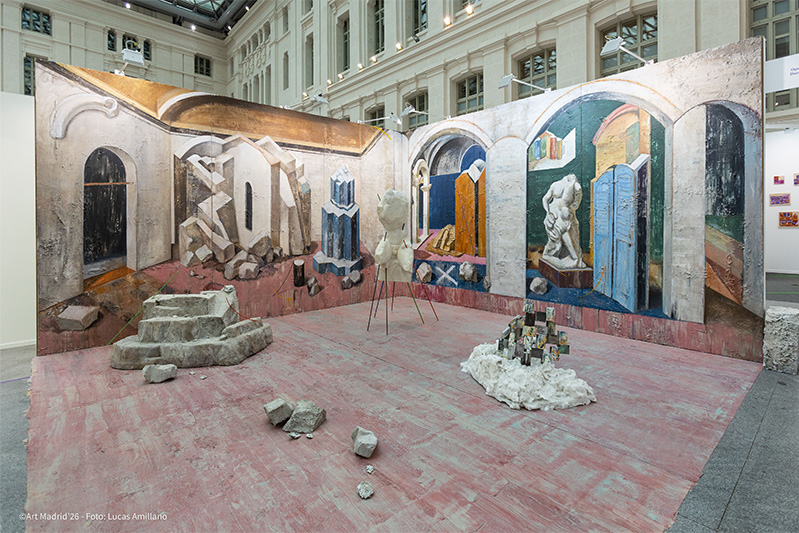
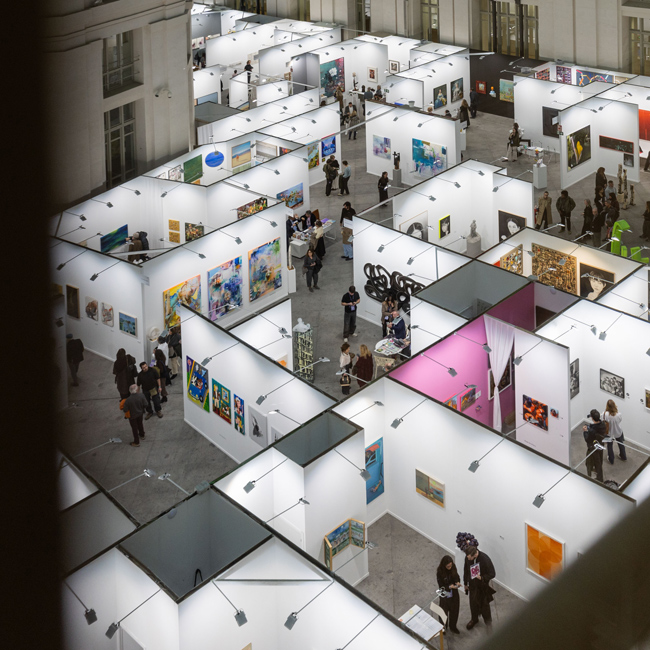
In 2026, Art Madrid will celebrate its 21st edition, further consolidating its position as a leading contemporary art fair in Spain. From 4 to 8 March, the fair will bring together thirty-five national and international galleries at the Galería de Cristal of the Palacio de Cibeles. Returning to its date during Madrid Art Week, Art Madrid reaffirms its pioneering role by expanding the fair calendar and offering an open and enriching dialogue in which diverse artistic proposals coexist.


Throughout its history, Art Madrid has established itself as a leading presence in the contemporary art scene. It is renowned for its commitment to promoting both emerging and established galleries, and for its dedication to making contemporary art accessible to a diverse range of audiences.

Far from being a fair curated under a single curatorial line, Art Madrid promotes diversity in its offering, respecting the identity of each exhibitor and promoting a plural creative ecosystem that reflects the richness and differences of the current art scene.


Art Madrid '25. Photo by Lucas Amillano


GALLERY PROGRAM: AN ACTIVE MAP OF CONTEMPORARY CREATION


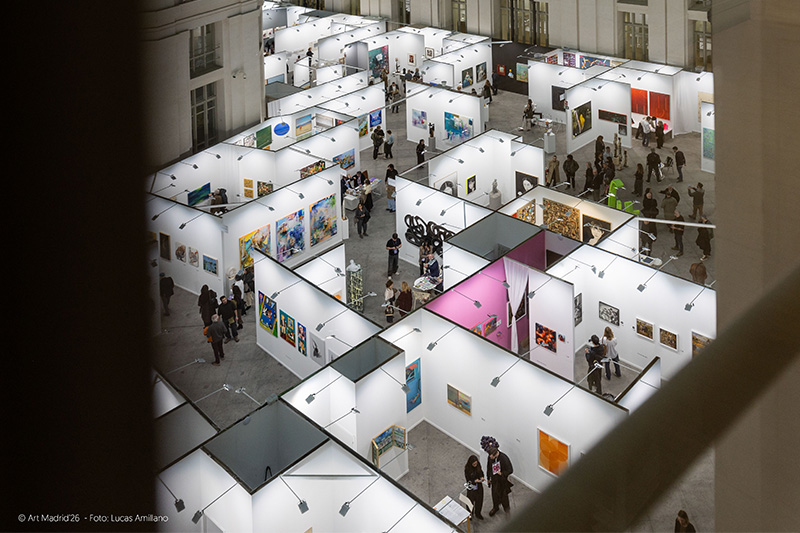
The Gallery Program is at the heart of Art Madrid’26. For this edition, thirty-five national and international galleries will participate in a space that celebrates experimentation, hybrid languages, and the latest artistic production. The selection of proposals constitutes a representative mosaic of the aesthetics, discourses, and contemporary practices that are shaping the present of art in Europe.

The Galería de Cristal of the Palacio de Cibeles will once again be transformed into a dynamic space where the exhibitions interact with each other, inviting the public to explore visual narratives that show the evolution of contemporary languages. Works that experiment with new media, formal investigations that reformulate traditional techniques, pieces that reflect on the links between technology and humanity, and poetic approaches that explore territory, identity, or memory make up a plural, stimulating journey open to multiple interpretations.

Art Madrid also continues to strive to become a platform for discovery, allowing both professionals and visitors to identify new voices and consolidate relationships with artists who are already emerging as leaders within the contemporary cultural landscape.


Art Madrid '25. Photo by Lucas Amillano


NATIONAL AND INTERNATIONAL EXHIBITORS

Thirty-five galleries are participating in this edition, twenty-seven of which are returning after finding the fair to be a favourable environment in which to strengthen connections, increase visibility and promote their artists' work on an international scene.

Twenty-six of these are Spanish galleries from various regions of the country: 3 Punts Gallery (Barcelona), Alba Cabrera Gallery (Valencia), Aurora Vigil-Escalera (Gijón), CLC ARTE (Valencia), DDR Art Gallery (Madrid), Est_ArtSpace (Madrid), g • gallery (Barcelona), Galería Arancha Osoro (Oviedo), Galería BAT alberto cornejo (Madrid), Galería Beatriz Pereira (Plasencia), Galería Carmen Terreros (Zaragoza), Galería Espiral (Noja), Galería La Mercería (Valencia), Galería Luisa Pita (Santiago de Compostela), Galería María Aguilar (Cadiz), Metro Gallery (Santiago de Compostela), Rodrigo Juarranz Gallery (Aranda de Duero), Sigüenza Gallery (Sigüenza), Gerhardt Braun Gallery (Palma de Mallorca | Madrid), Inéditad Gallery (Barcelona), Kur Art Gallery (San Sebastián), LAVIO (Murcia | Shanghai), Moret Art (A Coruña), Pigment Gallery (Barcelona), Shiras Galería (Valencia) and Uxval Gochez Gallery (Barcelona). This selection of galleries highlights the importance of the Spanish scene and its contribution to the development of the contemporary cultural ecosystem.


Art Madrid '25. Photo by Lucas Amillano


The nine international galleries participating in this edition are: Banditrazos Gallery (Seoul, South Korea), Collage Habana (Havana, Cuba), Galeria São Mamede (Lisbon, Portugal), Galerie ONE (Paris, France), KANT Gallery (Copenhagen, Denmark | Palma de Mallorca, Spain), Loo & Lou Gallery (Paris, France), Nuno Sacramento Arte Contemporânea (Ílhavo, Portugal), Trema Arte Contemporânea (Lisbon, Portugal) and Yiri Arts (Taipei, Taiwan). Their participation broadens the fair's international reach, promoting creative and conceptual exchange between diverse artistic perspectives.

In addition, eight new galleries have been added to the list of exhibitors:

Banditrazos Gallery (Seoul, South Korea), Est_ArtSpace (Madrid, Spain), g • gallery (Barcelona, Spain), Galería Beatriz Pereira (Plasencia, Spain), Galerie ONE (Paris, France), Galería Sigüenza (Sigüenza, Spain), Gerhardt Braun Gallery (Palma de Mallorca | Madrid, Spain) and KANT Gallery (Copenhagen, Denmark | Palma de Mallorca). These additions reinforce Art Madrid's commitment to continuous renewal and openness to spaces that are exploring new approaches to contemporary art.


Art Madrid '25. Photo by Lucas Amillano


PARALLEL PROGRAM: A REFLECTION ON THE ‘SPECIES’ OF SPACES


One of the great attractions of Art Madrid is its Parallel Program, which this time delves into the notions of: ‘Fragments, relationships, and imaginary distances.’ This approach turns the fair into an expanded space, where art, audience, architecture, and memory converge. Thus, the Parallel Program proposes a critical approach to the container of the event itself. Taking as a reference the reading of Species of Spaces by Georges Perec (Perec, Georges. Species of Spaces. Montesinos, 2004), it adopts a marked interest in the everyday, that which usually goes unnoticed, the infra-ordinary, giving each corner of the venue its own narrative value.

Another of the conceptual references of this edition is based on an analysis of Édouard Glissant's Poetics of Relation (Glissant, Édouard. Poetics of Relation; Prologue by Manuel Rebón. - 1st ed. - Bernal: Universidad Nacional de Quilmes, 2017.), which advocates the coexistence of differences and the importance of non-totalizing links, which are extrapolated to the art system, proposing an understanding of it as a network of exchanges and connections that respect the uniqueness of each cultural practice and actor.

‘Imaginary distances,’ understood as subjective journeys and affective cartographies traced by visitors, thus become the conceptual axis that articulates this program. This perspective transforms the Fair into an experience that goes beyond visual contemplation, turning it into a territory that can be collectively reconstructed, without losing sight of the paths travelled by the individuality of each voice.

In this edition, the Parallel Program encourages visitors to engage with the space and its projects, turning contemplation into an opportunity to question and interact with things that might otherwise go unnoticed in everyday life.


Art Madrid '25. Photo by Lucas Amillano


In the preview and during Art Week, Art Madrid'26 offers a range of experiences that allow the public to get closer to the creative process and practices of the participating artists. Among the returning initiatives are the Interview Program, Curated Walkthroughs, the third edition of Open Booth, dedicated to emerging creation, the presentation of Espacio Nebrija, a university project in collaboration with Nebrija University, alongside the fair’s established Performance Cycle.

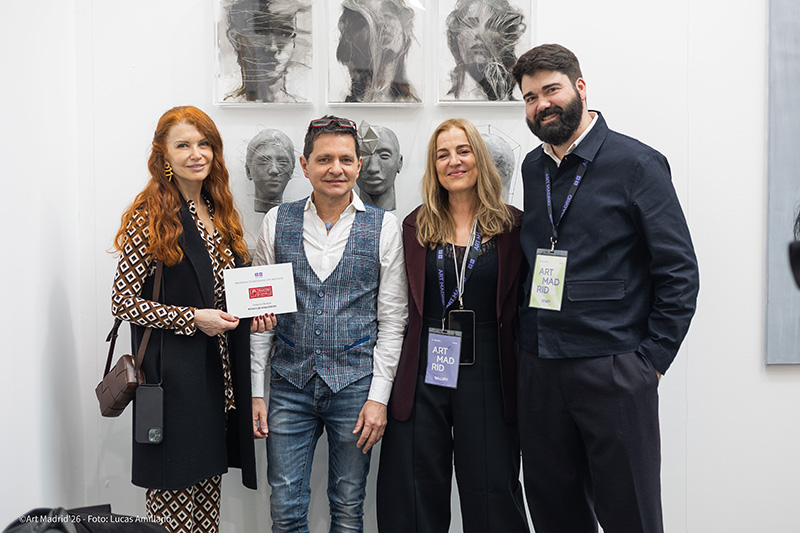
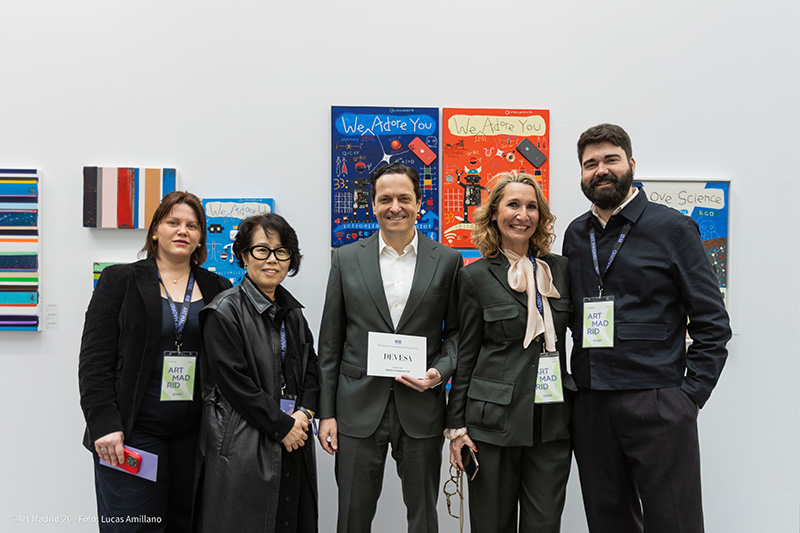
In addition, the One Shot Collectors Program and the second edition of the Patronage Program are back. These initiatives seek to strengthen the bond between collectors, artists, and the public, promoting ethical, informed, and responsible practices in collecting and patronage.


Art Madrid '25. Photo by Lucas Amillano


Art Madrid'26 has established itself as a dynamic meeting place, where diverse experiences, discourses, and practices converge. Far from being a fair curated under a single curatorial line, Art Madrid promotes diversity as a structuring principle, respecting the identity of each exhibitor and fostering a plural creative ecosystem. This plurality is not merely formal, but translates into a network of practices, languages, and perspectives that reflects the complexity, richness, and tensions of the contemporary art scene, consolidating the fair as a catalyst for cultural relations, an observatory of emerging trends, and an international reference point for the Spanish art scene.

WELCOME TO ART MADRID'26