Art Madrid'26 – PERFORMANCE: VACIO FROM THE SERIES FOMO. MONICA EGIDO

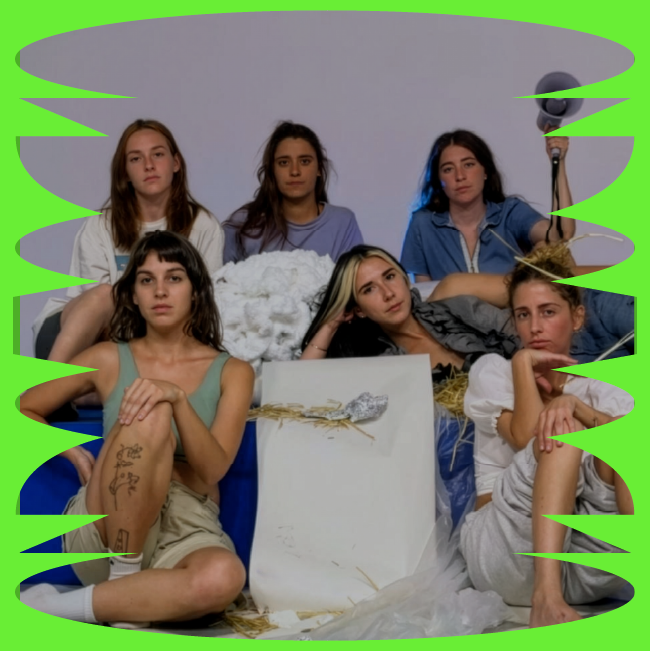
Mónica Egido. Courtesy of the artist.

INTERCESSIONS. PERFORMANCE CYCLE X TARA FOR WOMEN


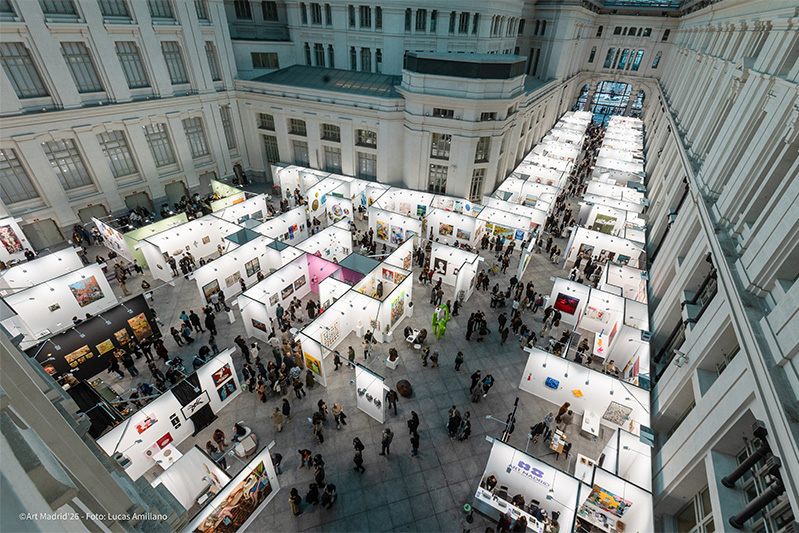
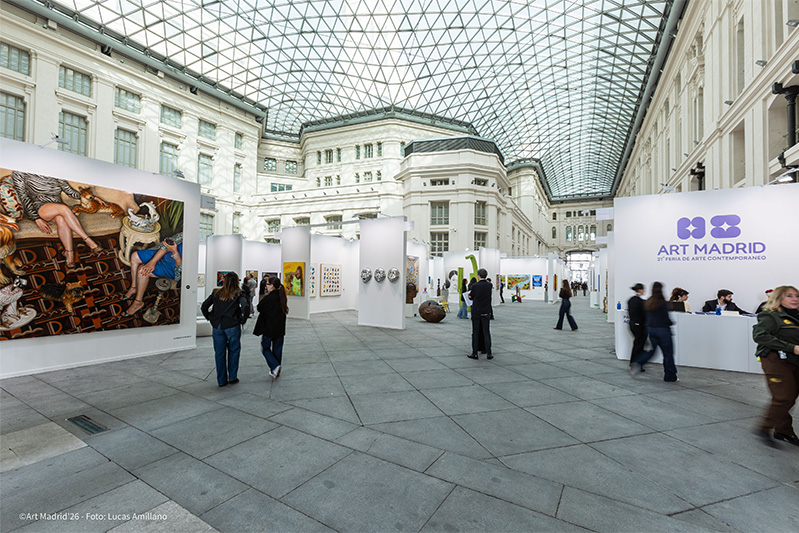
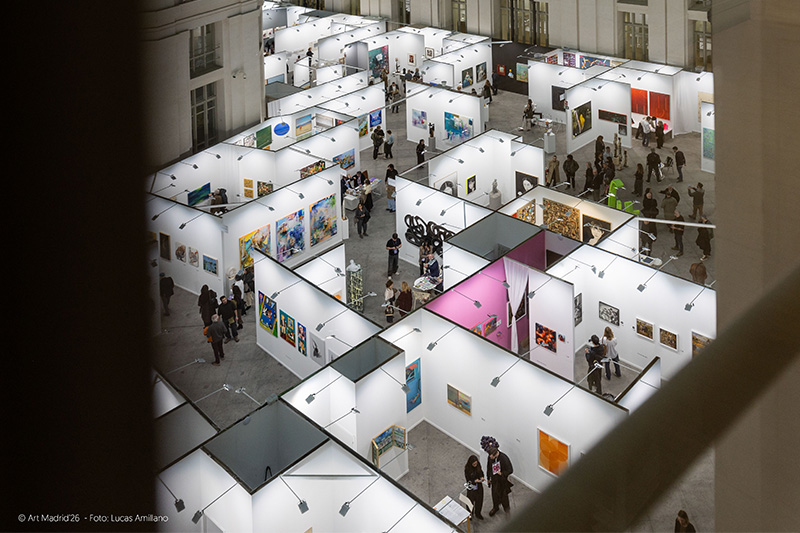
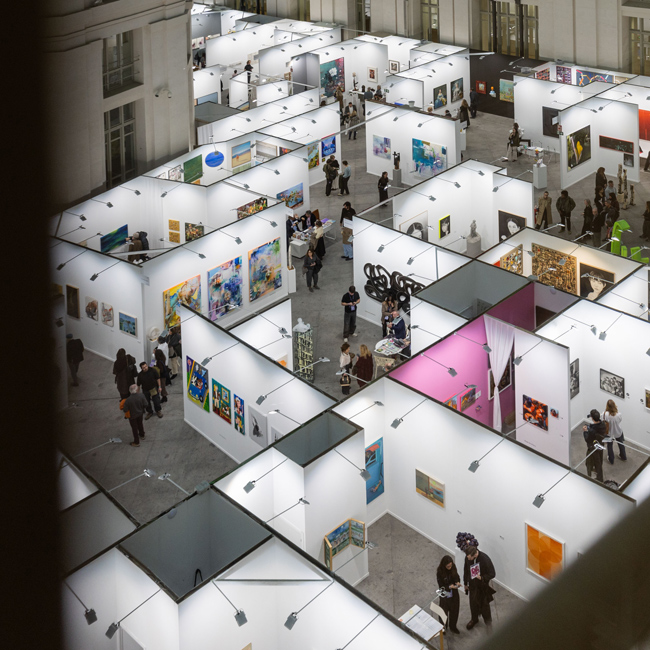
Art Madrid celebrates its 19th edition from March 6 to 10, 2024 at the Galería de Cristal of the Palacio de Cibeles. During the Art Week, Art Madrid becomes an exhibition platform for national and international galleries and artists. With the intention of creating a space of expression for emerging artists, our fair has joined forces with the Tara For Women Foundation, which, in its mission to empower and strengthen talented women, becomes a collaborator of Art Madrid's renewed Parallel Program with the Performance Cycle: Intercessions X Tara For Women.

PERFORMANCE VACÍO. FROM THE SERIES FOMO. MÓNICA EGIDO


Wednesday - March 6 - 19:00h. Galería de Cristal of the Palacio de Cibeles.


FOMO (Fear of Missing Out) is a diagnostic label under which people of the same generation suffer high levels of anxiety and stress due to the fear of not complying with everything that society imposes; they live in a constant state of alert that leads to a deterioration of their physical and mental health.

The social demands imposed, together with the maximum development of capitalism, consumerism and productivism at all levels, make us human beings self-imposed to take advantage of every second, forgetting the need to stop, rest, get bored and "not to do".
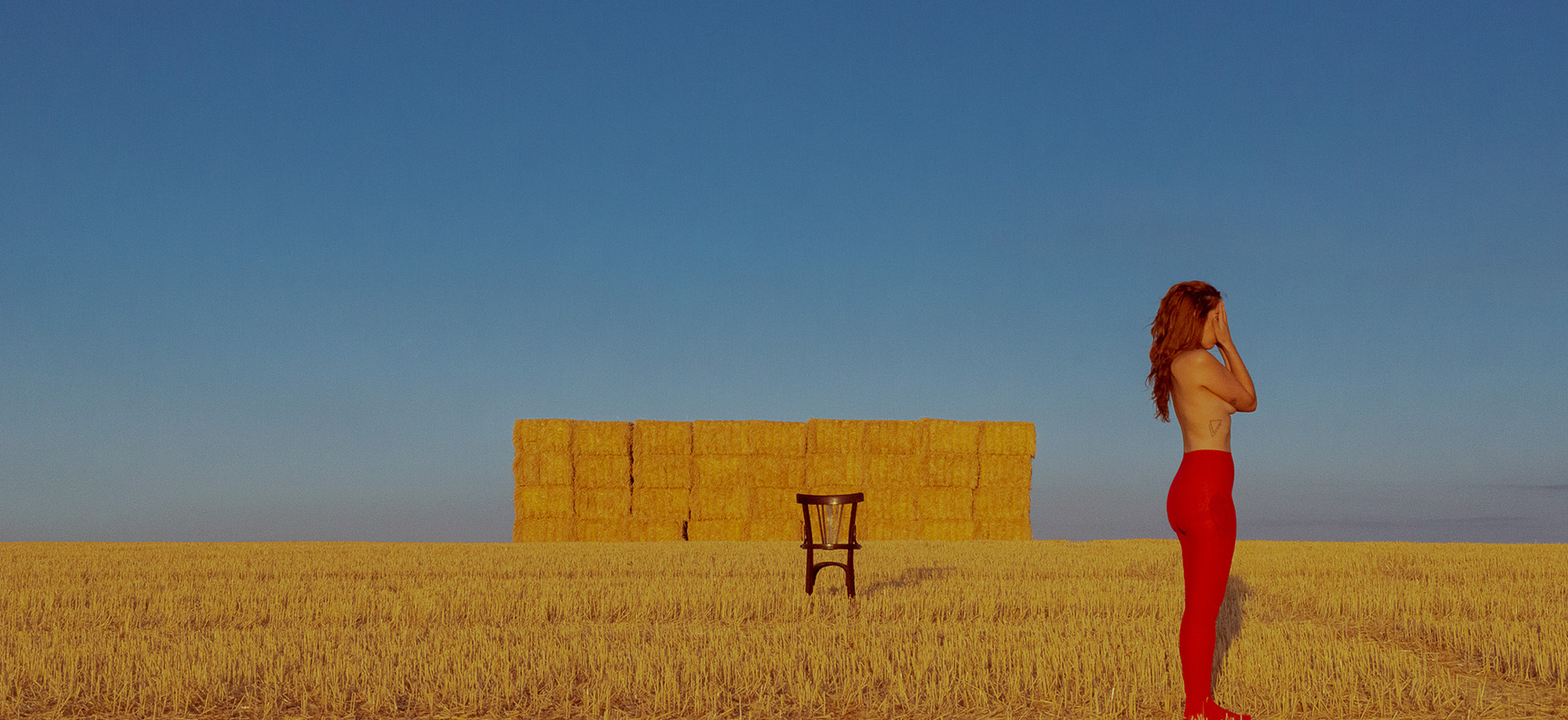
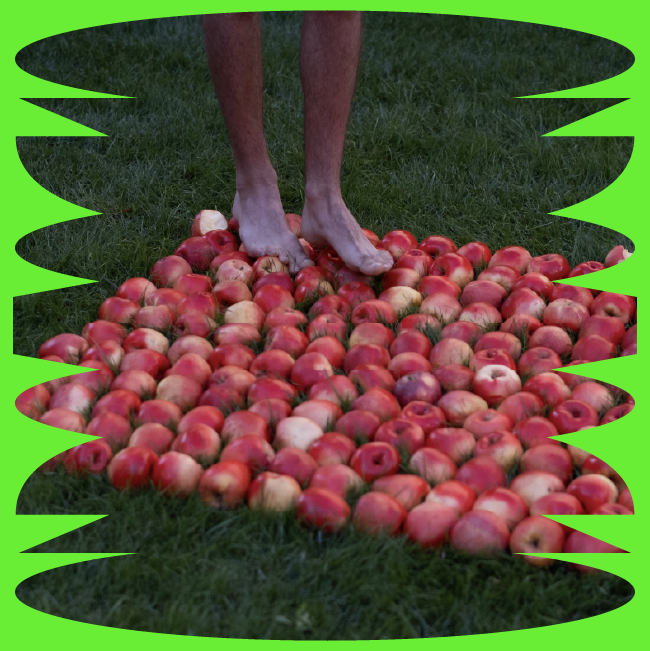
Still from the FOMO Project. 2023.

This project aims to give visibility to this social problem and create a space for debate to talk about an issue that affects thousands of people. We must ask what is the origin of the desire to be connected to what others are doing at all times, and what are its effects at the individual level, from a neuroscientific and psychological point of view; and what are its effects at the social level, from an anthropological and philosophical point of view.

Vacío reflects on the feeling of dissatisfaction and constant unhappiness suffered by many people of the millennial generation. With this performance, Mónica Egido claims that a profession or career does not define us as people, that we can be mediocre once more, and in general stop filling those "empty" spaces of content and constant experiences, to stop doing and just BEING.
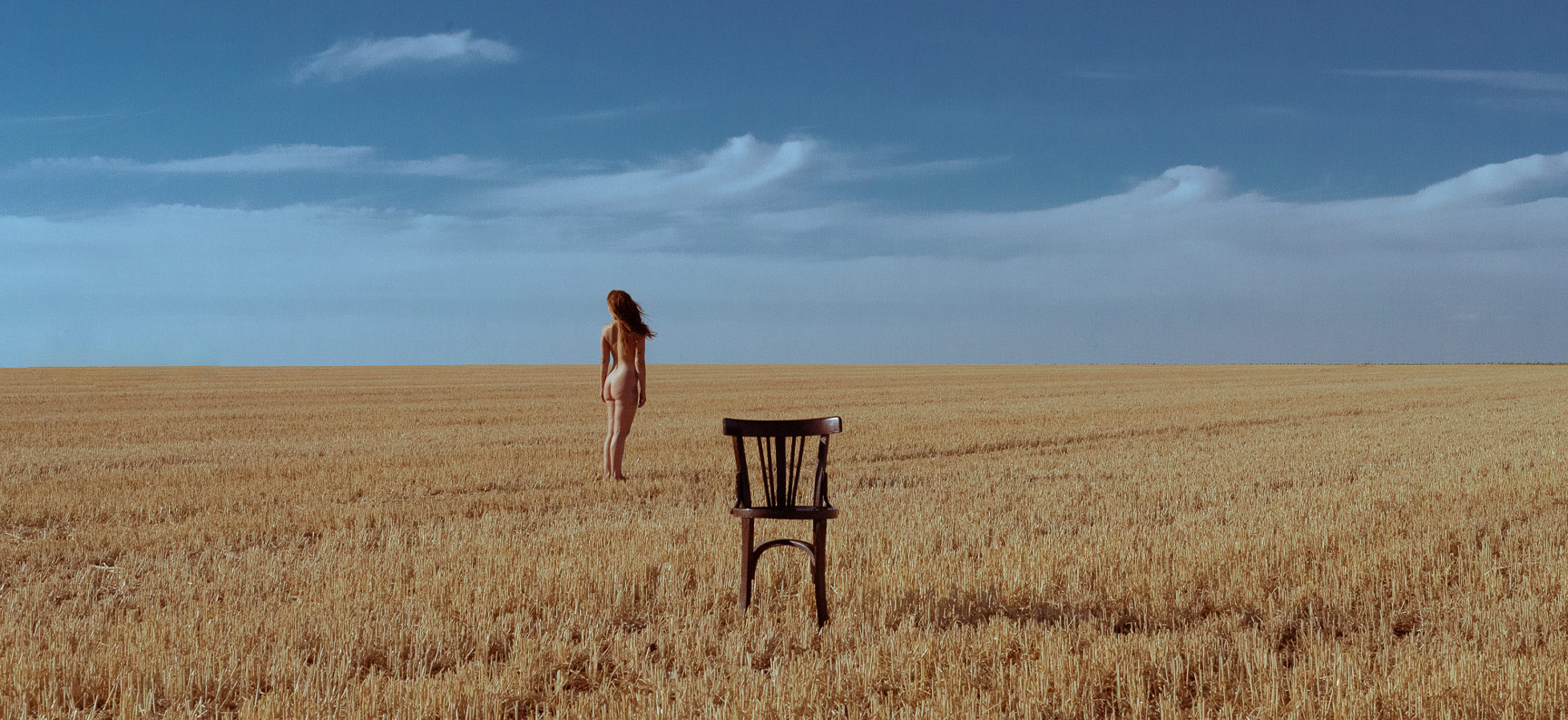
Still from the FOMO Project. 2023.

ABOUT THE ARTIST

MÓNICA EGIDO. Salamanca, 1994

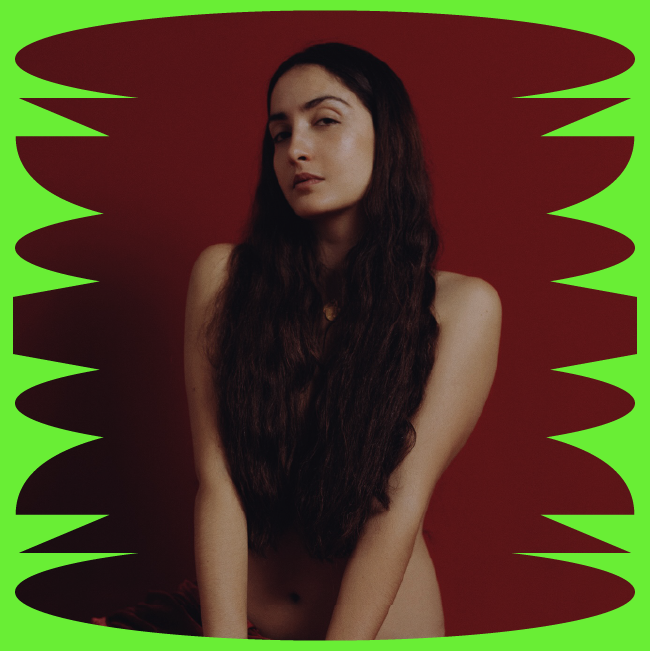
Mónica Egido (Salamanca, 1994) is a visual artist with a background in physiotherapy and specialization in neuroscience of chronic pain and obstetrics. She has excelled in the field of photography, being selected for Futures Photography 2023 and awarded a grant by PhotoEspaña. Her work, exhibited in various spaces in Europe, addresses different issues of neuroscience in relation to health, using art as a mechanism for dissemination, as in her latest project FOMO, where she talks about the impact of permanent anxiety on physical and mental health. Her piece Vacío reflects on the feeling of dissatisfaction and unhappiness that many people of the millennial generation suffer from.


ART MADRID’26 INTERVIEW PROGRAM. CONVERSATIONS WITH ADONAY BERMÚDEZ


The practice of the collective DIMASLA (Diana + Álvaro) is situated at a fertile intersection between contemporary art, ecological thinking, and a philosophy of experience that shifts the emphasis from production to attention. Faced with the visual and material acceleration of the present, their work does not propose a head-on opposition, but rather a sensitive reconciliation with time, understood as lived duration rather than as a measure. The work thus emerges as an exercise in slowing down, a pedagogy of perception where contemplating and listening become modes of knowledge.

In the work of DIMASLA (Diana + Álvaro), the territory does not function as a framework but rather as an agent. The landscape actively participates in the process, establishing a dialogical relationship reminiscent of certain eco-critical currents, in which subjectivity is decentralized and recognized as part of a broader framework. This openness implies an ethic of exposure, which is defined as the act of exposing oneself to the climate, the elements, and the unpredictable, and this means accepting vulnerability as an epistemological condition.

The materials—fabrics, pigments, and footprints—serve as surfaces for temporary inscriptions and memories, bearing the marks of time. The initial planning is conceived as an open hypothesis, allowing chance and error to act as productive forces. In this way, the artistic practice of DIMASLA (Diana + Álvaro) articulates a poetics of care and being-with, where creating is, above all, a profound way of feeling and understanding nature.


In a historical moment marked by speed and the overproduction of images, your work seems to champion slowness and listening as forms of resistance. Could it be said that your practice proposes a way of relearning time through aesthetic experience?

Diana: Yes, but more than resistance or vindication, I would speak of reconciliation—of love. It may appear slow, but it is deliberation; it is reflection. Filling time with contemplation or listening is a way of feeling. Aesthetic experience leads us along a path of reflection on what lies outside us and what lies within.


The territory does not appear in your work as a backdrop or a setting, but as an interlocutor. How do you negotiate that conversation between the artist’s will and the voice of the place, when the landscape itself participates in the creative process?

Álvaro: For us, the landscape is like a life partner or a close friend, and naturally this intimate relationship extends into our practice. We go to visit it, to be with it, to co-create together. We engage in a dialogue that goes beyond aesthetics—conversations filled with action, contemplation, understanding, and respect.

Ultimately, in a way, the landscape expresses itself through the material. We respect all the questions it poses, while at the same time valuing what unsettles us, what shapes us, and what stimulates us within this relationship.


The Conquest of the Rabbits I & II. 2021. Process.


In your approach, one senses an ethic of exposure: exposing oneself to the environment, to the weather, to others, to the unpredictable. To what extent is this vulnerability also a form of knowledge?

Diana: For us, this vulnerability teaches us a great deal—above all, humility. When we are out there and feel the cold, the rain, or the sun, we become aware of how small and insignificant we are in comparison to the grandeur and power of nature.

So yes, we understand vulnerability as a profound source of knowledge—one that helps us, among many other things, to let go of our ego and to understand that we are only a small part of a far more complex web.


Sometimes mountains cry too. 2021. Limestone rockfall, sun, rain, wind, pine resin on acrylic on natural cotton canvas, exposed on a blanket of esparto grass and limestone for two months.. 195 cm x 130 cm x 3 cm.


Your works often emerge from prolonged processes of exposure to the environment. Could it be said that the material—the fabrics, the pigments, the traces of the environment—acts as a memory that time writes on you as much as you write on it?

Álvaro: This is a topic for a long conversation, sitting on a rock—it would be very stimulating. But if experiences shape people’s inner lives and define who we are in the present moment, then I would say yes, especially in that sense.

Leaving our comfort zone has led us to learn from the perseverance of plants and the geological calm of mountains. Through this process, we have reconciled ourselves with time, with the environment, with nature, with ourselves, and even with our own practice. Just as fabrics hold the memory of a place, we have relearned how to pay attention and how to understand. Ultimately, it is a way of deepening our capacity to feel.


The fox and his tricks. 2022. Detail.


To what extent do you plan your work, and how much space do you leave for the unexpected—or even for mistakes?

Diana: Our planning is limited to an initial hypothesis. We choose the materials, colours, places, and sometimes even the specific location, but we leave as much room as possible for the unexpected to occur. In the end, that is what it is really about: allowing nature to speak and life to unfold. For us, both the unexpected and mistakes are part of the world’s complexity, and within that complexity we find a form of natural beauty.