ART MADRID'19 AWARDS TWO OF THE BEST BOOTHS IN ITS 14TH EDITION
Mar 3, 2019
art madrid
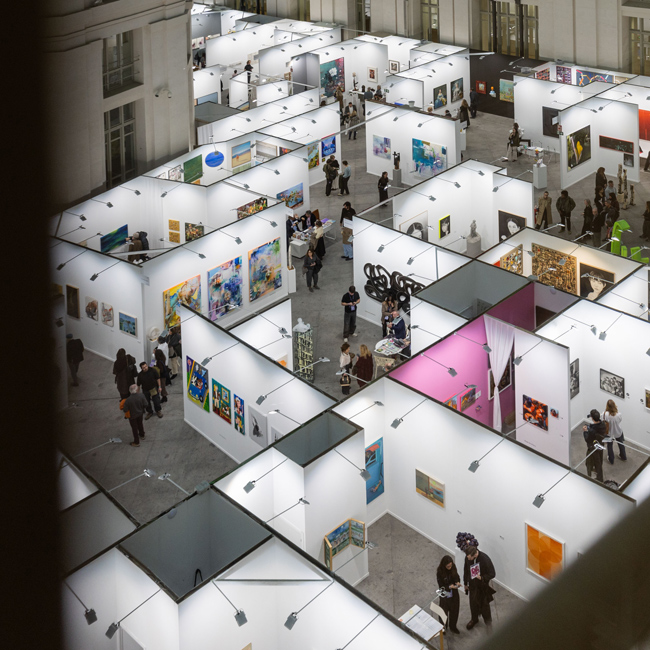
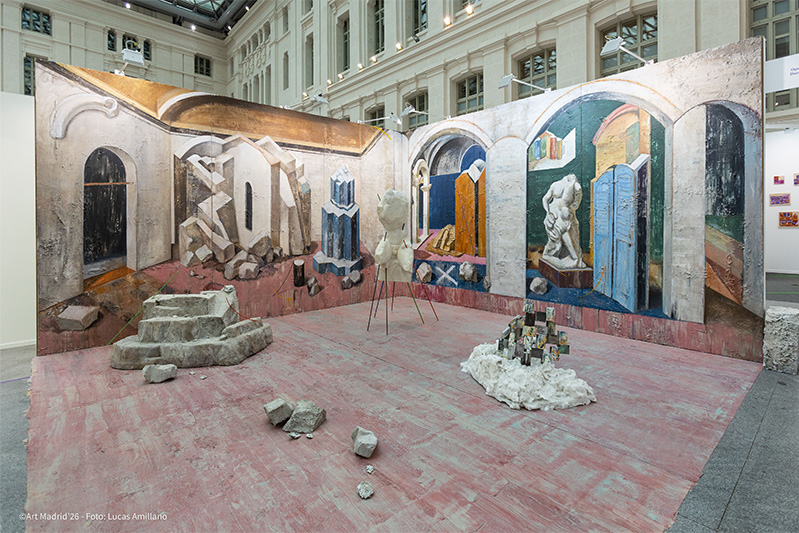
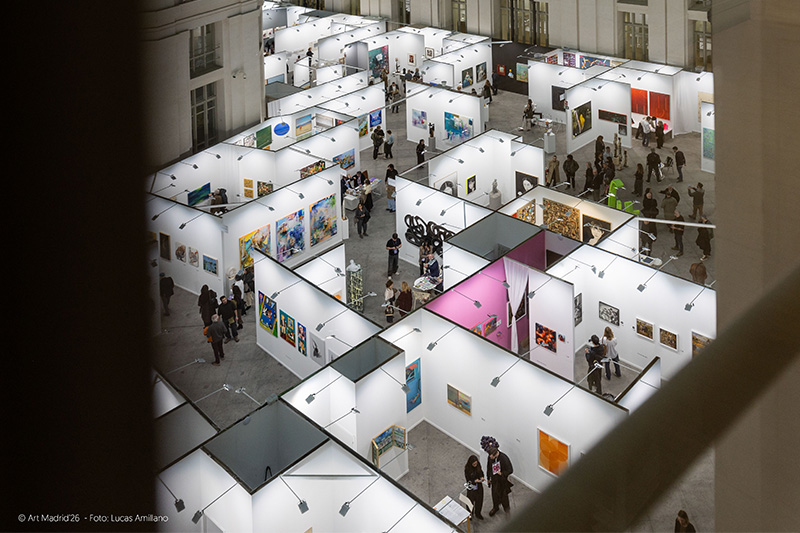
This year Art Madrid wants to highlight the work involved in designing and installation the booths. Thus, the effort and dedication by the gallerists and artists participating in this edition will be recognized with two special awards for two of the best booths granted by the organizers of the fair.
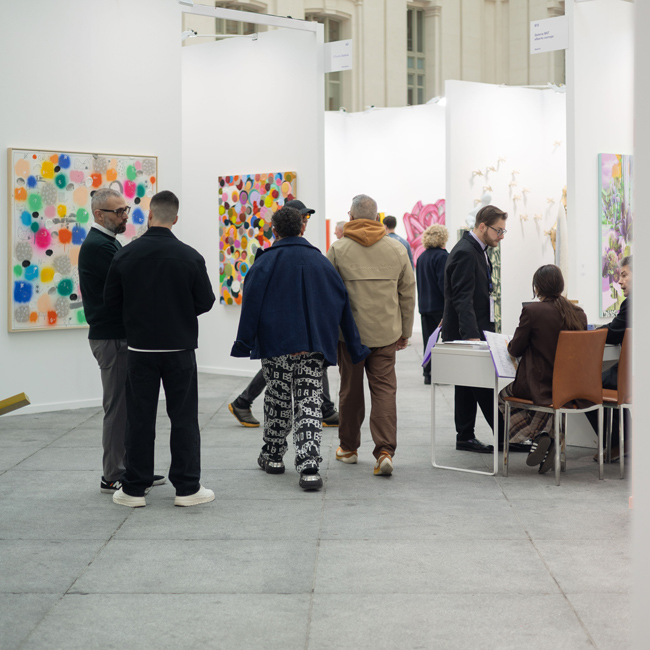
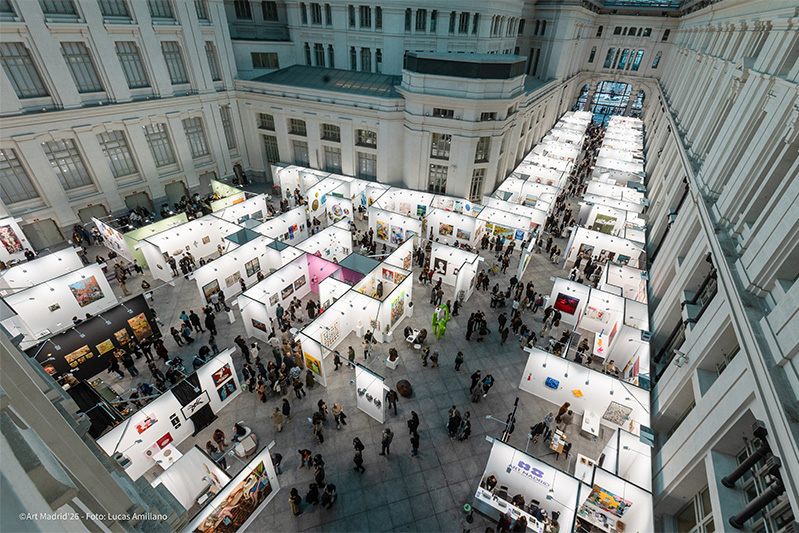
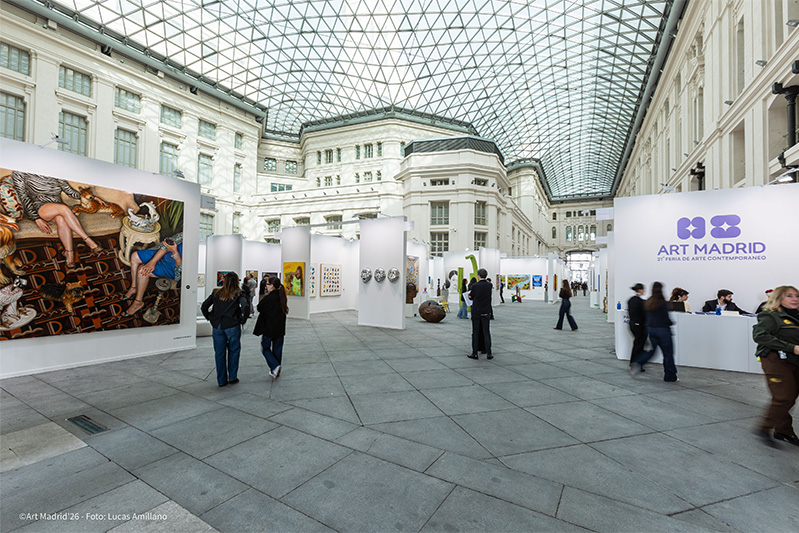
Many visitors would be surprised to know the great work hiding in "the booth installation", work prior to the celebration of the fair that also requires updating in the event of purchases of the artworks that form it. While it is true that it is an ephemeral work, since it only lasts the days of the fair, it is also true that the exhibition design determines the way in which we perceive the pieces. In addition, and with the exception of stands dedicated to the One Project program, designed for each artist having his space, the works of different artists coexist in the General Program booths, between three to twelve creators. Creating dialogues between these works, composing the spaces in a harmonious or pleasant way, getting the best lighting, arranging the pieces in such a way that the audience can circulate without involving any danger to the booth... Many details that define the style of the gallery and condition the way in which the public approaches the expository proposals.
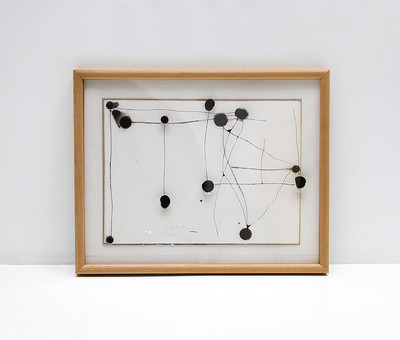
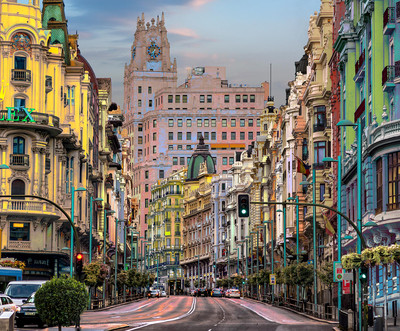
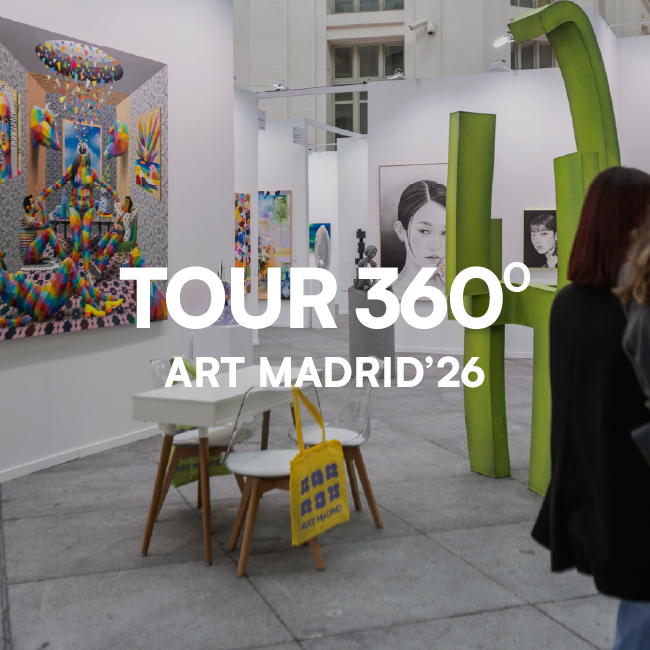
This year, some of the displays especially stand out. These are 3 Punts Galeria, which presents works by Alejandro Monge, Gerard Mas, Kiko Miyares, Samuel Salcedo, Silvio Alino, Nick Veasey, Ramon Surinyac and Okuda San Miguel; the Gallery BAT Alberto Cornejo, with pieces by Gustavo Díaz Sosa, José Ramón Lozano, Lantomo, Mária Švarbová, Carlos Albert, Leticia Felgueroso, Marta Sánchez Luengo, Rafael Amorós, Fernando Palacios, Carlos Iglesias Faura and Rubén Martín de Lucas, Guest Artist of this edition. Equally, we also can outline the display of the gallery directed by Aurora Vigil-Escalera, which offers in its booth a selection of works by Juan Genovés, Herminio, Pablo Armesto, Gorka García, Ismael Lagares, Rafael Macarrón, David Rodríguez Caballero, Santiago Picatoste and Marcela Lobo. Also, the Miquel Alzueta booth (Barcelona) stands out and in their space you can find works by the artists Jordi Alcaraz, Edgar Plans, Maria Yellletisch, Hugo Alonso, Andrea Torres and Lídia Masllorens.
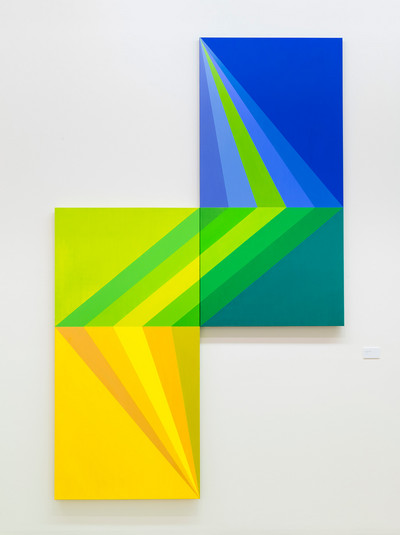
Outstanding booths are also those of MH Art Gallery, with works by Joo Eun Bae, Monica Dixon, Estefanía Urrutia and Thilleli Rahmoun; those of the Cornión Gallery, which presents works by Miguel Calano, Javier Victorero and Amancio; as well as the Luisa Pita gallery new selection with the works by María Ortega Estepa, Maríajosé Gallardo y Darío Basso.
Likewise, the space designed by the Zielinsky gallery is one of the most interesting, and in its booth you can see the work by the artists Joaquín Lalanne, Yamadú Canosa, Eduardo Marco, Pachi Santiago, Daniel Orson Ybarra and Juan Fielitz; the booth of the Bea Villamarín gallery, with works by the artists Mònica Subidé, Carlos Tárdez, Patricia Escutia, Candela Muniozguren and Alejandro Quincoces; or that of Víctor Lope arte Contemporáneo, a booth in which spectators will be able to see the pieces by Kepa Garraza, Jacinto Moros, Patrik Grijalvo and Dirk Salz. This gallery has also been responsible for the design of one of the spaces of the One Project program, where it represents the artist Alejandra Atarés. Within this program, the booth designed by RV Cultura e Arte and the artist Manuela Eichner is worth mentioning, as well as that of the About Art Gallery and Nuria Mora or the Contour Art Gallerybooth with Rūta Vadlugaitė.
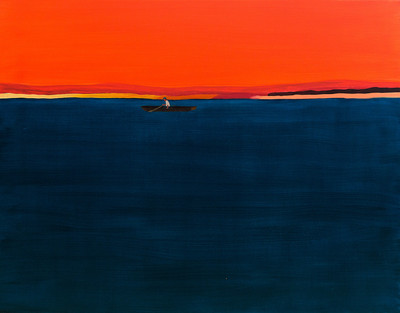
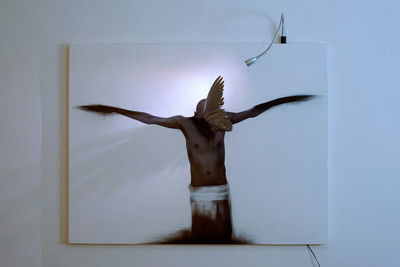
As for the foreign exhibitors, the Yiri Arts proposals stand out, a Taiwanese gallery that exhibits works by Chen Yun, Guim Tió, Lai Wei-Yu and Mònica Subidé; as well as that of his neighbour at the Galería de Cristal, Collage Habana, gallery which presents a selection of Cuban creators: Andy Llanes Bultó, Daniel R. Collazo, Ernesto Rancaño and Roldán Lauzán Eiras. Other outstanding installations of foreign galleries are those of the North American Lola & the Unicorn, with pieces by Fernando Daza, Bosco Sodi, Isabelita Valdecasas, Juan Genovés and Miguel Vallinas; or the Portuguese Paulo Nunes-Arte Contemporânea, where the works by Ana Pais Oliveira, Manuel Patinha, Mário Macilau and Rui Dias Monteiro are exhibited. In addition, those visitors really interested in buying a piece, have the possibility to discover those works that gallerists also keep in their small and ephemeral warehouses. Also, the organisation highlighted the Robert Drees visual proposal (Hannover), composed by Pepa Salas, Markus Fräger, Michael Laube, Sun Rae Kim and Jürgen Jansen's works.
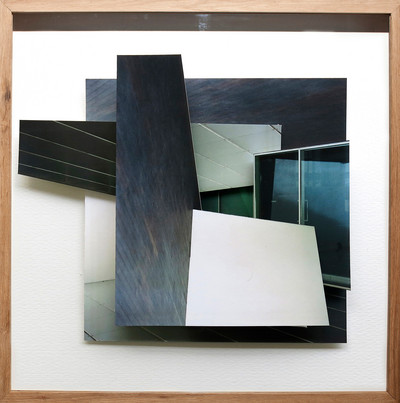
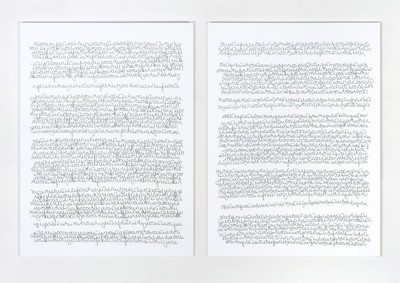
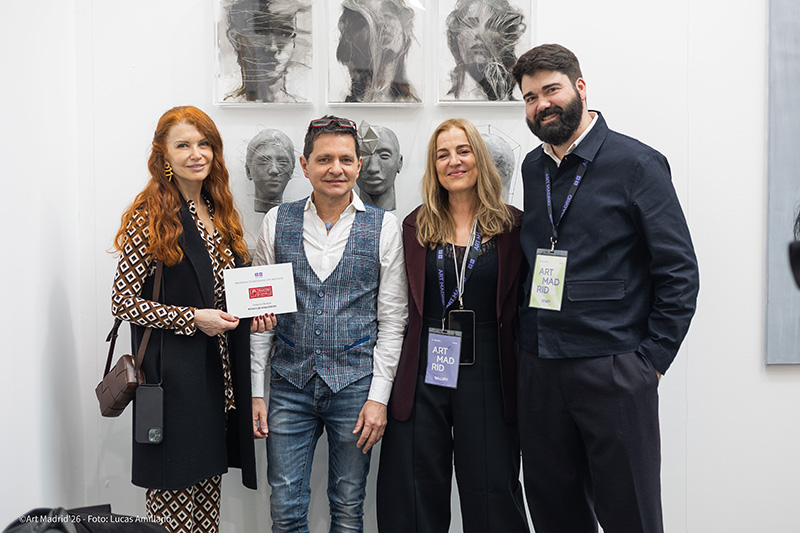
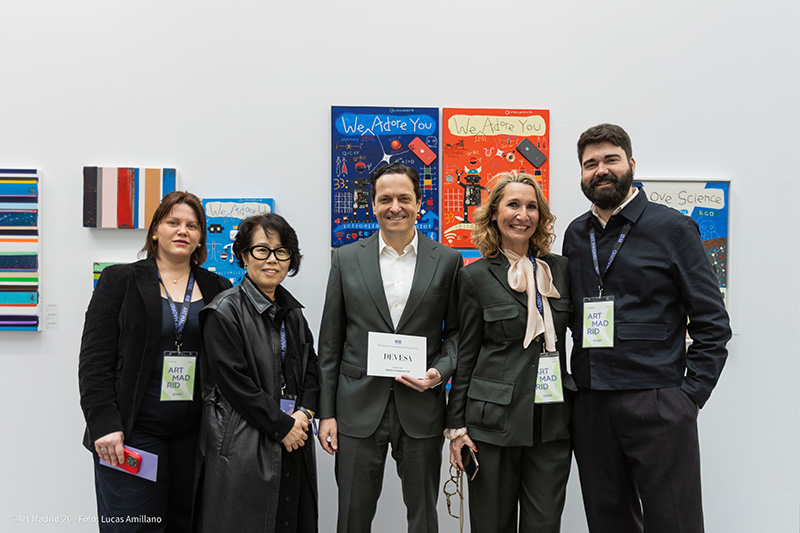
This year, the Art Madrid organization awards two special prizes to the two best booths. In addition to this recognition, the prizes consist of a special communication and promotion campaign within the Art Madrid Market, an online sales space where curated virtual exhibitions will be held. Art Madrid has decided to reward the booths of the galleries Víctor Lope Arte Contemporáneo and Bea Villamarín galleries.
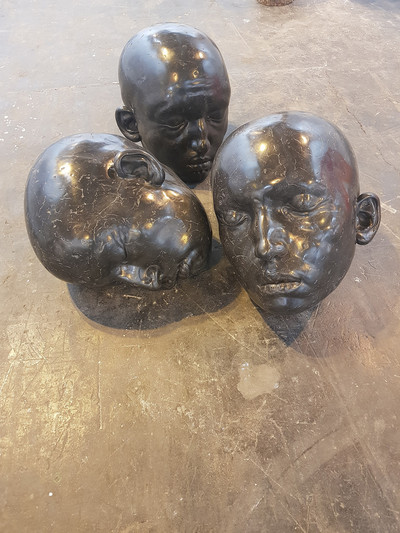
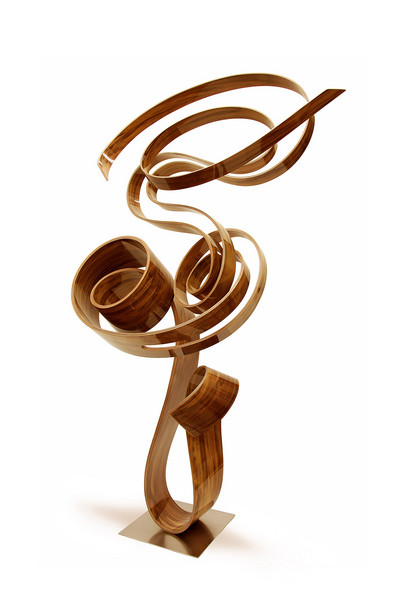
Víctor Lope is a Catalan gallery founded in 2009 and located in the centre of Barcelona. From the beginning, it has opted to launch and consolidate the careers of emerging and mid-career artists who have a unique vision of contemporary art. Another feature that defines this gallery is its international character, and in this sense, they make a great effort to consolidate their artists in the European and international art market. In Art Madrid features a thoughtful selection of the wood sculptures of Jacinto Moros, the photomontages by Patrik Grijalvo, the mysterious resin pieces by Dirk Salz and a large drawing by Kepa Garraza, "a Louis XIV" portrait with which the artist appropriates the vision codes of power to launch critical and ironic messages.
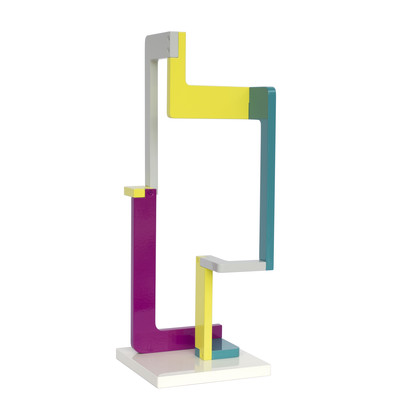
For its part, the Bea Villamarín Gallery is located in Gijón, one of the Spanish cities with the greatest creative tradition, as well as gallery and collect tradition. This gallery stands out for its involvement in the promotion and promotion of young artists, both national and international. Specialized in advising corporate collectors, the gallery directed by Beatriz Villamarín and Daniel García presents in Art Madrid an interesting dialogue between the abstract writings of Patricia Escutia, the geometric and colorful sculptures by Candela Muniozguren and the much more realistic ones by Carlos Tárdez, together with the paintings of Mònica Subidé and Alejandro Quincoces, natural scenes in the case of the first and urban in the case of the second.
If you want to see these and the rest of the artistic proposals of the more than 40 participating galleries, you can still visit the fair today from 11 a.m. to 9 a.m. in the stunning Crystal Gallery of the Palacio de Cibeles. Today, we celebrate the last day of Art Madrid'19!